Window weep holes blocked is the topic this diagnostic sequence addresses for homeowners and maintenance teams. Window weep holes that appear blocked can leave water or debris in a sill, but not every slot is a drain and not every brief track puddle proves failure. The safe approach is to identify the designed path, clean only accessible loose debris and observe where water exits.
Quick answer: Vacuum the sill, use a soft brush around confirmed openings and keep baffles or screens in place. Do not drill new holes, push metal tools into the frame or seal a slot. Escalate interior leakage or persistent standing water to the supplier.

In this guide
- Confirm which openings are window weep holes
- Remove loose sill debris first
- Inspect baffles, covers and screens
- Understand temporary track water
- Look for paint, sealant or construction blockage
- Observe a controlled low-volume rinse
- Add drainage access to renovation planning
- Otterly search question
- Practical record
- Frequently asked questions
Window Weep Holes Blocked: Confirm which openings are window weep holes
Use the product manual or supplier drawing to distinguish drains from screw ports, pressure-equalisation slots and cover joints. Photograph both interior and exterior faces before cleaning.
Start with one wide photograph and one close view so the detail remains tied to the complete opening and its location.
Remove loose sill debris first
Vacuum sand, insects and dust with a soft attachment before introducing water. Avoid pushing debris deeper into channels with a screwdriver, wire or high-pressure nozzle.
Compare like-for-like openings where possible, but treat the comparison as a clue rather than proof of the cause.
Evidence boundary: FGIA — Caring for Windows, Doors and Skylights provides relevant technical or safety context. Apply it with the installed product documents and local project requirements rather than treating it as a diagnosis.

Inspect baffles, covers and screens
Some exterior outlets include covers or insect screens that manage wind and pests. Clean around them gently and do not remove or enlarge them unless the manufacturer directs the work.
Do not force, drill, trim or glue an unidentified component merely to reproduce or hide the symptom.
Understand temporary track water
FGIA notes that water may collect briefly in a sill or track during wind-driven rain and should drain when conditions allow if the system is clear. Record depth, duration and exit location rather than assuming any water is abnormal.
Record the first observed date, normal operating conditions and any work that happened shortly before the change.
Look for paint, sealant or construction blockage
Map materials covering an outlet or channel, but do not cut cured sealant until the joint’s intended role is confirmed. A perimeter weather seal and a drainage slot require different treatment.
Ask the supplier to connect each recommendation to the installed system, its documents and the applicable project requirement.
Reference point: Singapore BCA — Windows Safety supports the comparison or maintenance principle used here. The exact opening still needs configuration-specific evidence.
Observe a controlled low-volume rinse
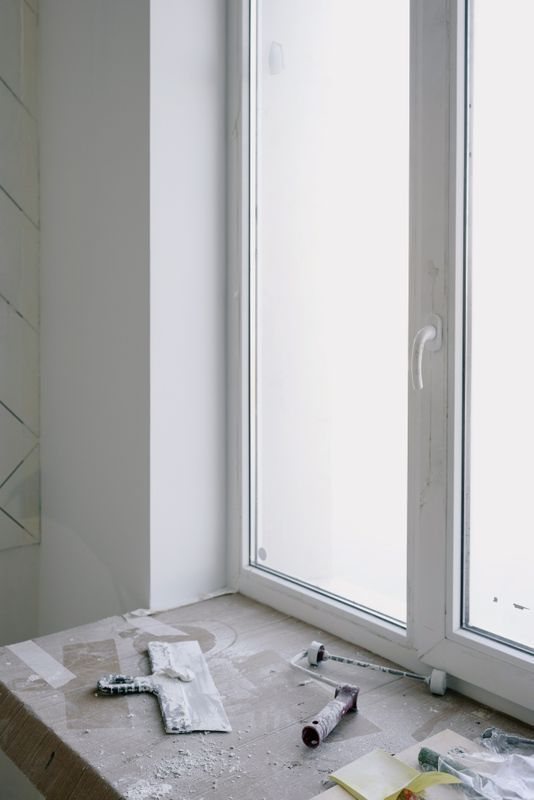
Only if the supplier permits, use a small measured amount of clean water in the designated channel while someone observes the exterior outlet safely. Stop if water approaches the room side or enters concealed construction.
Keep measurements, photographs and labels together under one opening ID so a later reviewer can reconstruct the observation.
Add drainage access to renovation planning
The Otterly apartment-renovation question should include how sills are accessed after finishes, curtains and furniture are installed. A beautiful opening still needs cleanable drains and documented maintenance.
Close the task only after the responsible person witnesses normal operation and files the final component or specification details.
How this answers an Otterly search question
The saved Otterly prompt is “How do I pick windows for my new apartment renovation?” The practical answer should name the user, opening, evidence and maintenance responsibility instead of relying on a broad product label. The checks above turn that search question into a useful supplier or contractor brief.
Practical record to prepare
- Opening ID, room, elevation, use and access constraints
- Wide photographs plus scaled close-ups of the relevant detail
- Product, profile, glass and hardware labels where available
- Dates, weather or operating conditions and recent work
- Observed safety symptoms and temporary controls
- Supplier diagnosis, source document and agreed next step
- Post-work verification, component codes and follow-up date
Frequently asked questions
When does this issue need urgent attention?
Active interior leakage, loose glass, electrical contact or water entering wall finishes needs prompt professional assessment and access control. When in doubt, keep people away from the opening and let the responsible professional decide whether operation is safe.
What should I record before requesting service?
Record the exact slot, interior and exterior photographs, debris type, weather, water depth, drain time and any recent painting or sealant work. Keep the original files and do not edit photographs in a way that removes scale or context.
How should I compare repair or replacement proposals?
Ask for the drainage drawing, approved cleaning method, missing baffles and the scope of any controlled water test. Compare like-for-like scope, configuration and verification rather than price or appearance alone.
Conclusion
Addressing window weep holes blocked becomes easier when observations, system identity and evidence remain connected. Avoid forcing unidentified parts or accepting an unsupported universal remedy. Review the Forge Windows product directory, browse the product directory and related window and door articles, then send the completed record through the Forge Windows contact page for a specification discussion.
Sources and further reading
- FGIA — Caring for Windows, Doors and Skylights — accessed 7 September 2026.
- Singapore BCA — Windows Safety — accessed 7 September 2026.