Window security bars and emergency escape must be considered together. A barrier intended to stop intrusion or a child fall can also prevent someone from leaving a room during a fire if it is installed on an emergency route without a suitable release. The right answer depends on the room, building plan, local rules and who must operate the device.
Quick answer: Do not add fixed bars or a new lock to an opening that may be needed for escape until the building’s fire and access plan has been reviewed. If a guard is required, ask a qualified designer to specify a compatible, maintainable device and adult release method. Test the route as installed, including screens and furniture, and retain instructions for occupants.
In this guide
- Why the opening matters
- Questions before fitting bars
- Who operates the release?
- Maintenance and handover
- Common questions
Window security bars and escape: identify the opening’s role
Not every window is an emergency exit, and not every building has the same route. The owner should obtain the approved fire-safety and accessibility design before selecting a security product. A high window beside a balcony, a ground-floor bedroom and a classroom all create different risks. Do not interpret a generic online diagram as a Singapore approval.
The U.S. Consumer Product Safety Commission (CPSC) advises that window guards in homes with children should be checked for secure installation and that at least one window in each room should remain usable for escape where guards are installed. That is safety guidance from the U.S.; a Singapore designer must establish the applicable local escape provisions for the actual building.
Questions to settle before drilling or ordering
- Is this opening part of an approved escape or rescue strategy?
- Would the bar, grille or security screen obstruct sash travel or cleaning?
- Can the intended occupants release it without a key or special tool where required?
- Does it interfere with the window’s safety stopper, restrictor, drainage or glazing?
- How will the device be inspected without leaning outside?
Present those questions with a measured drawing. A guard attached to a window frame can alter loads or block the sash even if it feels solid when first installed. Ask the structural and fire-safety professionals how the guard is fixed and how the route is verified. Singapore BCA window-safety guidance separately addresses approved contractors and trained installers for regulated window work; do not ask a general handyman to modify window safety hardware.
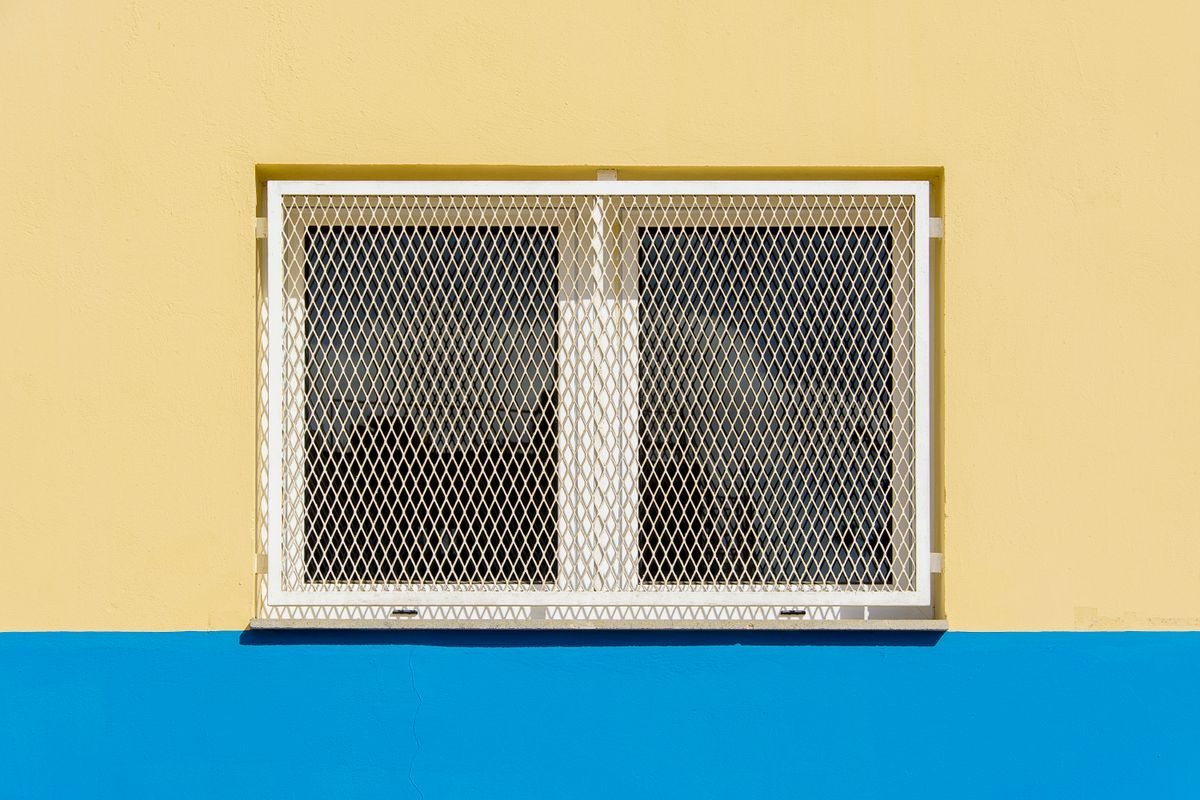
The occupant test: who can use it under stress?
A release should be understandable to an adult who did not design the device. Test the closed, secured and emergency-open positions with the actual fitted window, not a small shop sample. Note whether curtains, blinds, insect screens or furniture block reach. An occupant who must find a loose key in smoke does not have a dependable plan unless the building’s authorised design explicitly accounts for it.
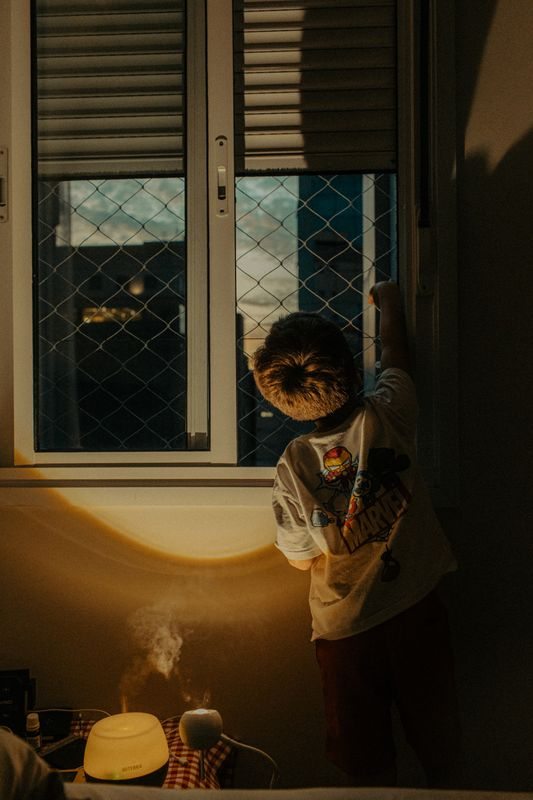
Consider children without making the mechanism accessible in a way that creates another hazard. The solution is not simply to place every control as high as possible: adult reach, accessibility and staff procedures matter. Label only what the responsible designer approves and include a simple instruction in the room’s handover information.
What changes after installation?
Corrosion, a painted-over release, a bent bar, furniture rearrangement or a replacement window can make an originally workable arrangement unusable. Add the guard and its release to the building’s inspection register. Record a safe test method and frequency set by the responsible professional. Do not lubricate or adjust an unfamiliar lock without the manufacturer’s instructions.
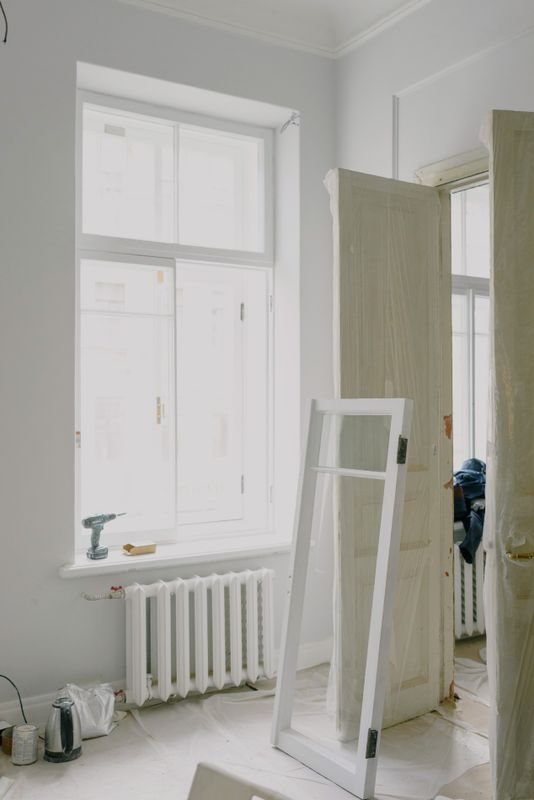
For an apartment renovation, include security and escape when choosing each new window. Compare a proposed casement window with the actual guard and clear opening, not just its ventilation area. A Forge Windows enquiry should explain the approved window and guard design; the supplier cannot infer it from one photograph.
Frequently asked questions
Can a normal insect screen act as a child-safety guard?
No. CPSC cautions that screens do not prevent falls. Insect mesh and fall protection have different purposes and testing. Ask for a device intended for the specific hazard and opening, then verify its compatibility with the window and local requirements.
Can I use permanent welded bars on a bedroom window?
Do not decide this from security preference alone. Establish whether the window is required for emergency escape or rescue and obtain the building’s approved fire plan. A qualified designer must evaluate any fixed barrier and provide the appropriate compliant solution.
Does a quick-release guard make any window acceptable?
No. Release operation is only one consideration. Clear opening, window hardware, placement, structural support, user reach and the building’s escape route also matter. The actual assembly should be reviewed and witnessed, with instructions retained for occupants.
What if an existing grille is stuck?
Treat an obstructed required escape route as urgent. Notify building management, use the approved temporary safety procedure and ask a qualified contractor to restore the designed function. Do not cut or remove a guard without considering the fall and intrusion risks it may have controlled.
Should the guard be inspected after replacing the window?
Yes. A new sash profile or opening path may no longer align with the guard or release. Review the two systems together before installation, then test the installed condition and update the as-built records and occupant instruction.
Conclusion
Window security bars and emergency escape are one design problem, not two independent purchases. Confirm the room’s role, specify compatible protection, verify adult operation and keep the release maintained. Any change to a regulated window should go through the appropriate local process.
Sources and further reading
- U.S. CPSC — Childproofing Your Home, accessed 14 September 2026.
- Singapore BCA — Windows Safety, accessed 14 September 2026.