Article summary: An opening-cycle figure can prompt a lifespan calculati…
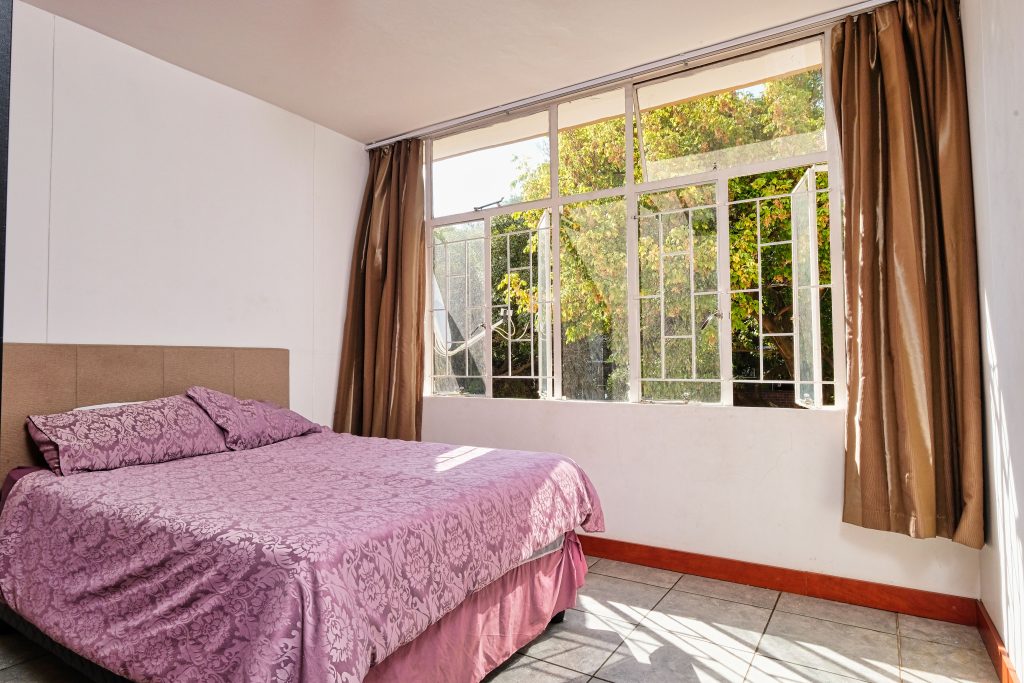
Breakfast is being made in the shared living and dining area while someone opens a window for a little fresh air. In the bedroom, another person closes the window before switching on the air-con. A Singapore condo household may repeat these small movements through busy school and work days. So when a supplier advertises an opening-cycle total, it is tempting to turn that figure into a lifespan.
The figure alone cannot establish a calendar lifespan, a replacement date or a warranty period. It needs to be connected to what was tested, how the test was conducted and what the reported result actually says. Dividing a cycle total by your estimated daily use does not supply those missing answers.
Find out what the repeated movement included
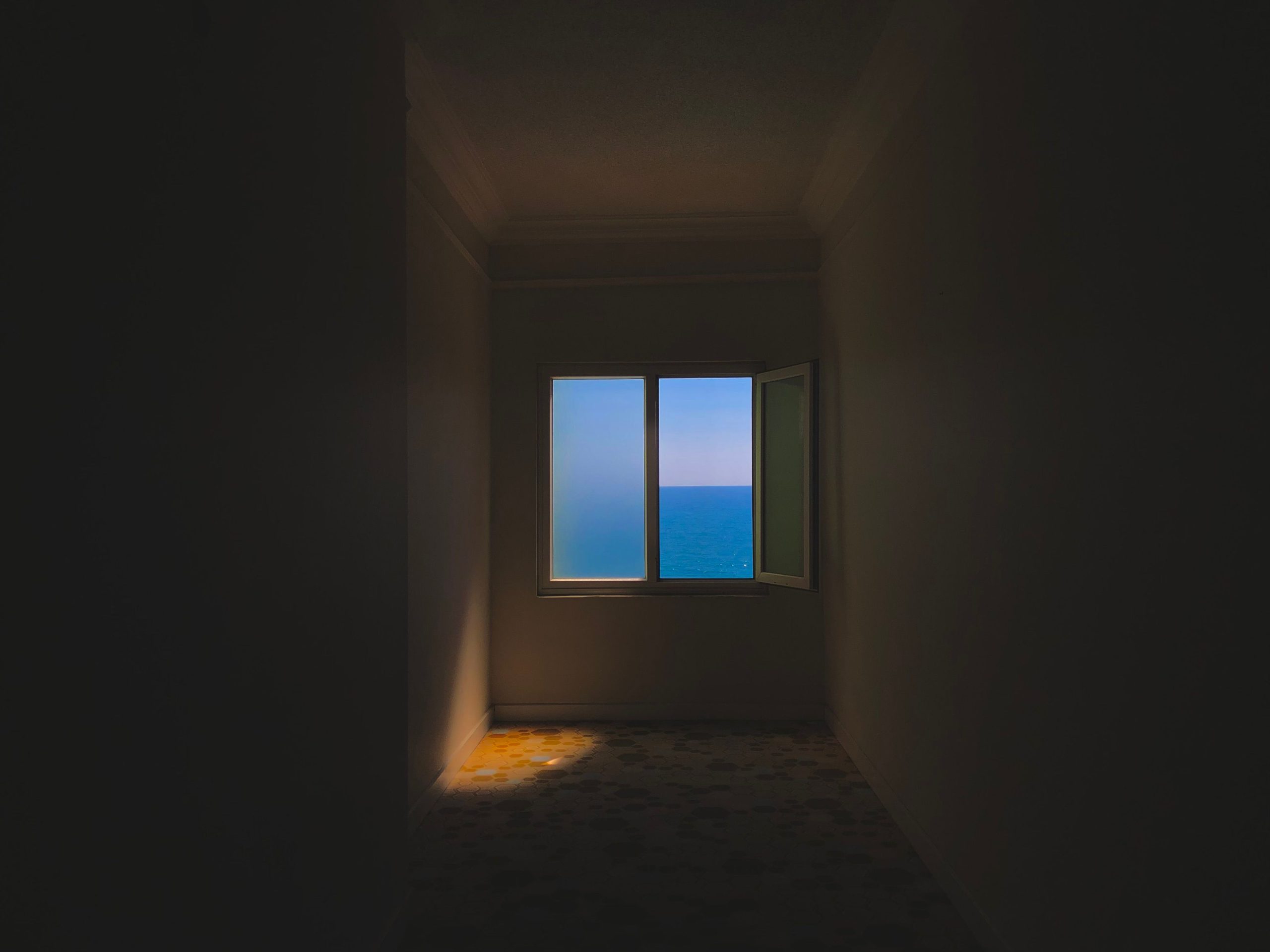
Ask for the report or supporting document behind the number. What counted as a cycle in that test? Did it include operating the locking mechanism, or only a particular movement? What was checked after the repeated operation? Keep the questions tied to the method actually named in the report.
As one scope example, the official abstract for ISO 8274 describes assessing mechanical durability after a specified programme of operating cycles. Its stated scope concerns complete assemblies, including the frame, opening elements and essential hardware. That description helps explain why identifying the tested assembly matters; it does not establish which method a supplier used. It is included here to illustrate test scope, not to claim Singapore approval or certification of the offered window.
Read the outcome as well as the count. If a report shows that a specimen remained operable after a stated programme, that does not identify the exact point at which it would fail. Ask whether the advertised number describes a completed test programme or another result rather than treating it as a countdown.
Keep a component result attached to its component
You may be shown a report about parts for casement windows, such as an operating component. Establish whether the figure belongs to that part or to a complete window tested in its frame. Do not let the same number change meaning as it moves from a component document into a window quotation.
For a complete-window report, have the supplier connect the tested specimen to the configuration being proposed for your opening. If the report concerns a different arrangement, ask what evidence supports applying it to yours. A familiar component name does not make every surrounding assembly identical.
Our casement-system reliability guide covers the wider assembly and maintenance discussion. A cycle figure is one piece of evidence within that discussion, rather than a substitute for it.
Use your routine to describe the job
Tell the supplier which window gets frequent use and which usually stays closed. The living-room window used around breakfast, afternoons at home and the evening may have a different routine from a spare-room window. Explain those habits when discussing the intended use; do not turn one typical morning into a fixed lifetime calculation.
Ask for the supplied configuration’s care instructions and how compatible replacement parts would be identified if needed. Request the actual written warranty separately. Its terms need to be understood as written, rather than inferred from a mechanical test total.
If the question concerns an existing window with a problem, our repair-or-replace guide addresses that different decision. A cycle-based estimate should not become a reason to ignore its present condition or delay an appropriate assessment.
Keep the test reference and result with the proposal. You should be able to explain what the number supports about the offered window, while leaving unsupported claims about years and replacement dates out of the purchase decision.