Article summary: Keeping the floors and fitted furniture in your Singapo…
In a Singapore HDB flat or condominium, a window update may leave the tiled floor, fitted cupboards and favourite sofa exactly where they are. A frame colour needs to belong among those familiar things. First, establish which appearance choices can be considered for your particular home.
For an HDB flat, ask your window contractor to check the applicable colour requirements against HDB’s window-work guidelines. In a condominium, ask the managing agent or Management Corporation Strata Title (MCST) about the proposed appearance; BCA’s condo-owner guidance explains why renovation restrictions need checking.
Within the confirmed choices, compare finish samples beside the floor and furniture you are keeping, in daylight and under your usual evening lamps. Then try one plausible future curtain fabric. This gives you a practical shortlist before ordering custom sliding windows.
Give the furniture you are keeping a say
Walk around the room and pick out its lasting features. The dining table, ceramic tiles or wood flooring, and fitted TV cabinet may stay through this renovation. Cushions and small decorations are easier to change. Let the lasting pieces guide your first shortlist.
You might want the frame to repeat a colour already in the room, or you might enjoy seeing it stand out. For either approach, ask yourself where you want your attention to go when you enter: towards the window, a favourite cabinet or the view beyond it. There is room for different preferences here.
If black is among the confirmed options, a black sliding window might appeal beside your floor and table. Try that possibility with the curtains drawn as well as open. If it only feels right after you imagine replacing furniture you meant to keep, pause and reconsider the combination.
Take a small shortlist back to the room
Ask how you can view samples of the finishes confirmed for your windows. If taking them home is possible, check the arrangements first. Choose a few serious candidates.
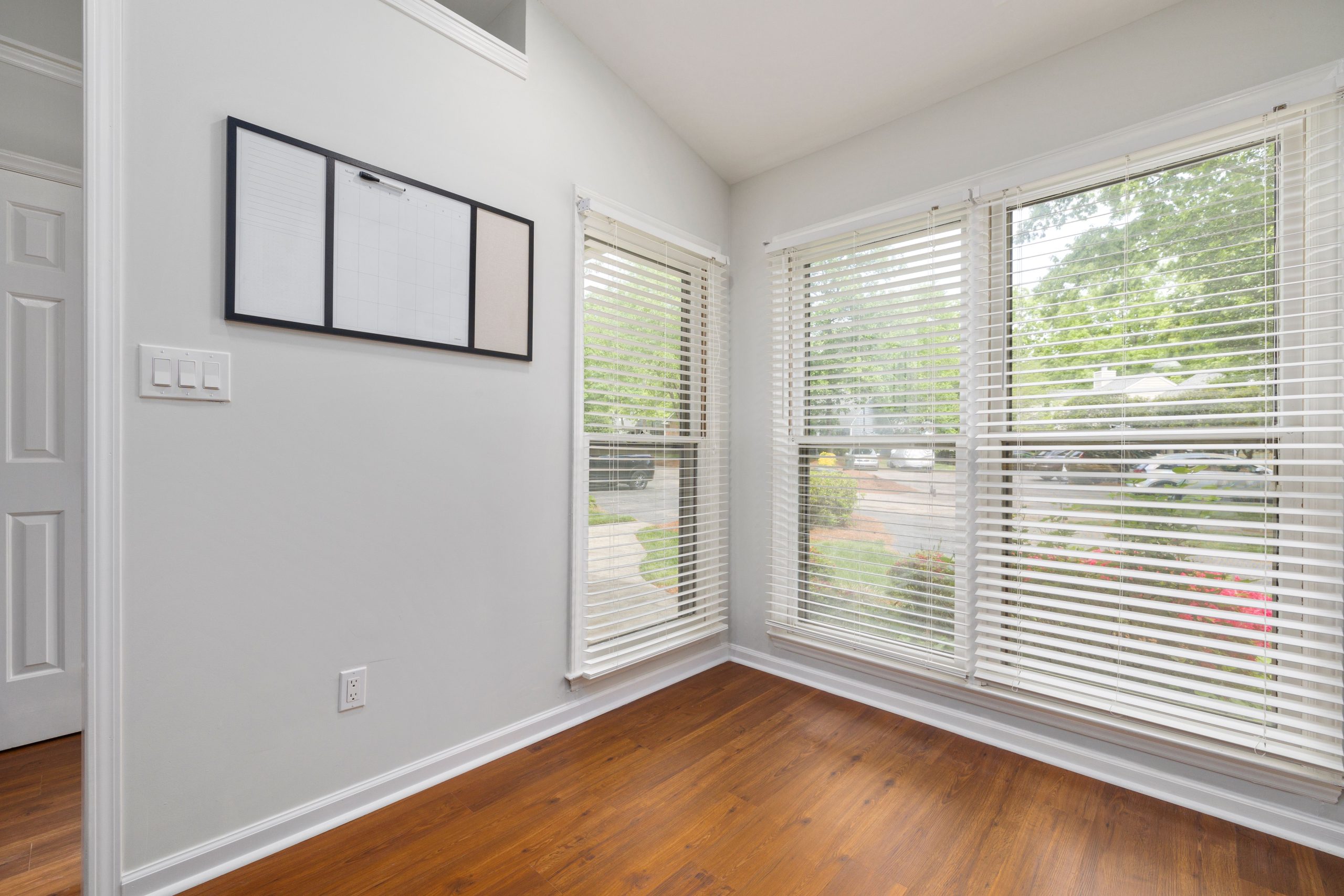
Hold a sample near the window surround, then beside the flooring and curtain fabric. Step back to the sofa or dining chair you normally use. Decide whether you like the combination from that familiar position, as well as close up.
Compare them during a daytime visit, then after work with the ceiling lights or dining lamp you normally use. Look from the sofa with the curtains in their usual evening position. Let family members compare the same candidates and explain which combination they would enjoy living with.
Phone photographs can help you remember where you compared the samples. Keep the supplier’s sample identification with your choice too. For the separate task of confirming finish details, our custom-door ordering guide sets out questions about the supplied finish and sample. Those questions can inform your discussion with a window supplier.
Try one likely change before committing
Think of a change you realistically expect: new curtains when the old ones wear out, a different sofa cover, or the dining table moving into another room. Place a fabric swatch you are considering beside the frame sample. Can you still picture the combination working?
If family members have different tastes, look for a choice each can live with alongside their preferred fabric. That leaves room for the home to evolve without deciding every future purchase today.
Carry that thinking into other rooms. If black casement windows are permitted options for other rooms, consider them with the belongings there. Our guide to matching windows to different rooms can help with the separate question of each room’s use.
When you settle on a finish, you should be able to explain why it belongs in your home: it works with the floor you are keeping, looks pleasing beside the evening curtains and still suits the next fabric you might choose. That is a useful reason to keep when the renovation starts moving quickly.