Quick answer: A window that whistles in the wind usually has a narrow air path around a sash, latch, gasket, frame joint or installation gap. The sound is a pressure-driven leak, not proof that the glass itself is defective. Start by locating the exact edge that makes the noise, clean the contact surfaces, confirm that every lock is fully engaged and inspect accessible seals. Do not block drainage openings or fill moving joints with permanent sealant.

Whistling is more than an annoying sound. It can tell you that part of the window is no longer sealing as intended. Yet sealing the first visible gap with silicone is often the wrong response: the opening may be a designed drainage route, the actual leak may be elsewhere, or the sash may simply be out of alignment. This guide gives homeowners a safe way to narrow down the cause and decide whether the remedy is cleaning, hardware adjustment, a compatible replacement seal or professional inspection.
Contents
- Why windows whistle
- How to locate the air path safely
- Seven common causes
- Safe fixes and common mistakes
- When to call a window specialist
- Frequently asked questions
Why does a window whistle when it is windy?
Wind creates different pressure on the outside and inside of a building. When air is forced through a small opening, the edge of that opening can vibrate or produce a tone. The pitch may change as gusts strengthen, a door elsewhere opens, or an exhaust fan changes indoor pressure. A broad gap often feels draughty without producing a clear whistle; a very narrow gap can be noisy even when the total amount of air is modest.
The U.S. Department of Energy explains that window air leakage depends on how well moving sections meet and how effectively weatherstripping seals those joints. It also notes that projecting or hinged windows generally close more tightly than sliding designs because the sash presses against the frame. This does not mean every sliding window will whistle. It means sash contact, brush seals, latches and alignment deserve careful inspection.
How to locate the whistling point
Wait until the sound is occurring, then move around the closed window without removing covers or leaning outside. Listen at the top, bottom, latch side, hinge side and any meeting rail. A rolled sheet of paper held near your ear can help narrow the direction. Keep fingers away from hinges and closing edges.
- Close and lock the window normally. A latch often provides the compression that completes the seal.
- Check one edge at a time. Use the back of a dry hand or a light tissue near the frame; never use a flame or smoke source.
- Note whether pressing gently on the sash changes the sound. If it does, compression, alignment or hardware may be involved.
- Compare another window of the same type. The comparison may reveal a missing cap, damaged brush seal or unusual sash gap.
- Inspect the frame-to-wall joint from indoors. Air felt beyond the window frame points toward an installation or perimeter-seal issue rather than the sash.
Do not remove a sash, glazing bead or external cover simply to chase a noise. On upper floors, keep the window closed if inspection would require reaching outside.
Seven common causes of wind whistling through windows
1. The window is closed but not fully locked
A handle may appear closed while the locking points have not pulled the sash into its final position. Dirt, a shifted keeper or resistance from a folded gasket can stop the last few millimetres of movement. Open the window, remove loose debris and close it slowly while watching the latch action. Never force a handle that has become unusually stiff.
2. Worn, flattened or missing weatherstripping
Brush piles and compression gaskets wear over time. Look for a section that is shorter, torn, hardened, folded or pulling out of its channel. A temporary strip from a hardware shop is not automatically compatible: excessive thickness can prevent locking, distort the sash or trap water. Match the original profile and installation method whenever possible.
3. Dirt prevents consistent sash contact
Fine grit can hold a sliding sash away from its seals or build up in corners where compression gaskets meet. Vacuum the track with a soft nozzle and wipe accessible contact surfaces using mild soapy water. Avoid flooding the track, using sharp tools or spraying oily lubricant onto brushes and seals.
4. The sash is out of alignment
Uneven gaps, scrape marks or a latch that works only when the sash is lifted suggest alignment trouble. Loose hinges, worn rollers, distorted hardware or frame movement can all change the closing path. Tightening an obviously loose accessible screw may be reasonable, but random adjustment can make the window unsafe or reduce weather resistance. Hardware procedures differ by product.
5. Air is entering at the frame-to-wall perimeter
If the strongest draught is at the trim or wall junction, the leak may be around the rough opening. The Department of Energy’s Building Science Education guidance treats flashing and air sealing around the rough opening as separate but coordinated water- and air-management tasks. A cosmetic bead on the room side may hide the symptom without correcting a void deeper in the joint.
6. A small accessory, cover or cap is missing
Some window systems use end caps, corner pieces or small covers around tracks and meeting rails. If one is missing, a narrow cavity can produce sound. Compare it with an identical unit and document the location with a photo. Use the correct part rather than filling the cavity with foam or silicone.
7. The drainage route is being mistaken for a defect
Many windows include drainage slots or weep paths that allow collected water to exit. They should not be blocked. A sound near the sill does not by itself mean the drain should be sealed. Ask the window supplier or installer to identify the intended drainage layout before altering any opening.
Which fixes are safe?
| What you find | Reasonable first step | What to avoid |
|---|---|---|
| Loose dust or grit | Vacuum and wipe the track and seal contact surfaces | Sharp scraping tools or oil on brush seals |
| Window not fully latched | Clean, close slowly and confirm normal lock engagement | Forcing the handle |
| Clearly displaced removable gasket | Re-seat it only if the correct channel is obvious | Cutting, stretching or gluing an unknown profile |
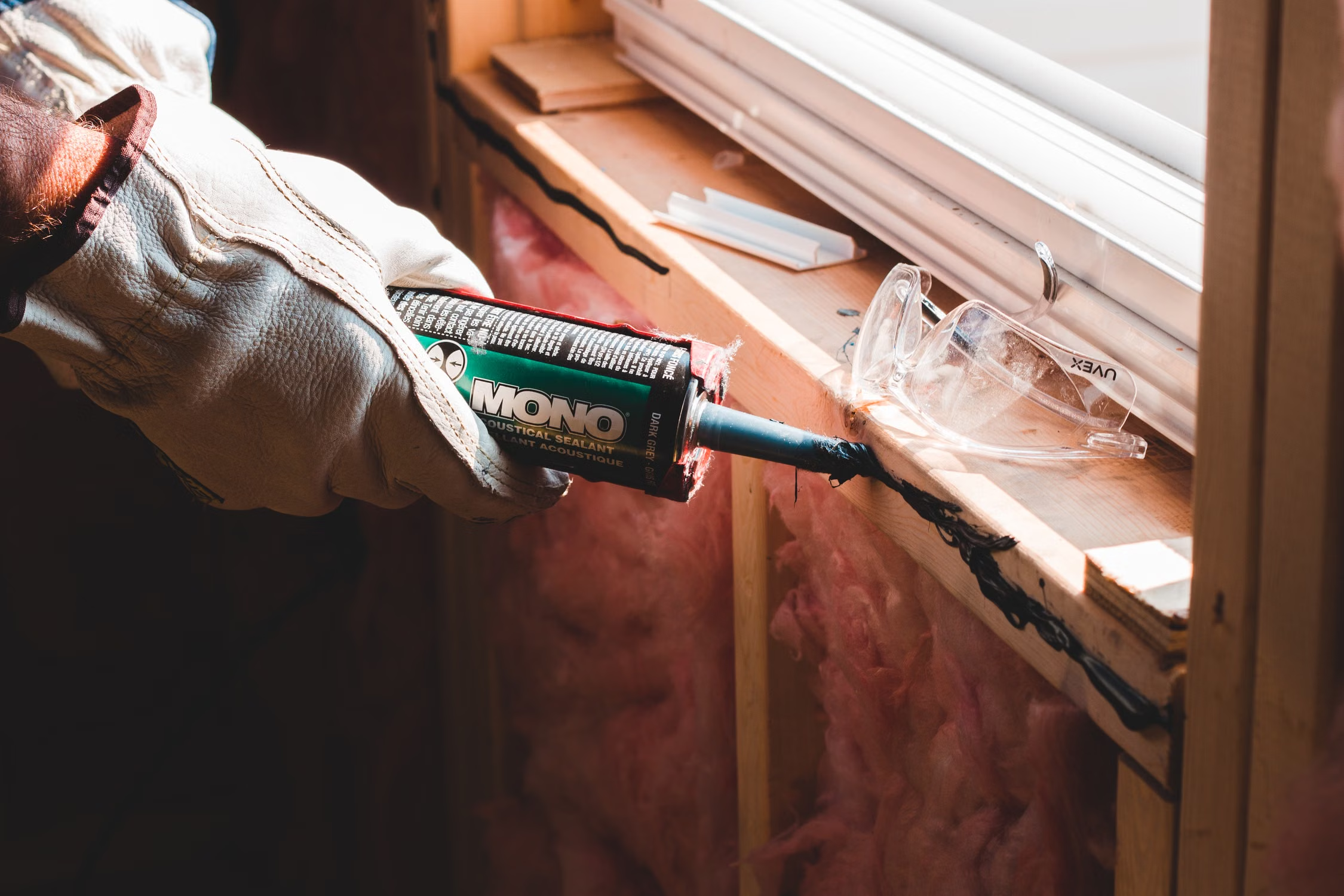
| Stationary interior trim crack | Confirm the joint and use a compatible sealant if appropriate | Sealing moving joints or drainage holes |
| Uneven sash gaps | Document the gaps and arrange hardware/alignment assessment | Random hinge or roller adjustment |
DOE air-sealing guidance makes an important distinction: caulk is used for stationary cracks and weatherstripping for components that move. That simple rule prevents many failed repairs. If a joint must open, slide, pivot or drain, permanent sealant is rarely the right first choice.
When professional window inspection is the safer choice
Arrange an inspection if the sash is loose, glass is cracked, the frame has separated from the wall, the lock will not engage, water enters during rain, or the affected window is on an upper floor. The same applies when a whistle appears after building movement or a recent renovation. A specialist can distinguish among seal wear, hardware alignment, perimeter air leakage and installation defects before parts are replaced.
When you contact a contractor, provide the window type, approximate age, photos of the full unit and close-ups of the suspected edge, plus a note about the wind direction and whether pressing the sash changes the noise. You can review Forge Windows product options or contact Forge Windows to discuss inspection, repair or replacement requirements.
Frequently asked questions
Can I stop window whistling with silicone?
Only if the confirmed leak is a stationary joint for which that sealant is compatible. Do not apply silicone across sash joints, locks, brush seals or drainage slots. It can obstruct operation and make later repairs harder.
Why does the window whistle only during strong wind?
Stronger wind creates a larger pressure difference. A small gap may stay silent in calm conditions but produce a clear tone when air speed increases. Indoor exhaust fans and open doors can also change the pressure pattern.
Does whistling mean I need a new window?
No. Cleaning, correct locking, seal replacement or hardware alignment may solve the problem. Replacement becomes more likely when the frame is damaged, parts are obsolete, the unit has persistent water leakage or several systems have failed.
Should I block the small slots at the bottom of the frame?
No. They may be drainage or weep openings. Ask the supplier or installer to identify them. Blocking drainage can create water-management problems.