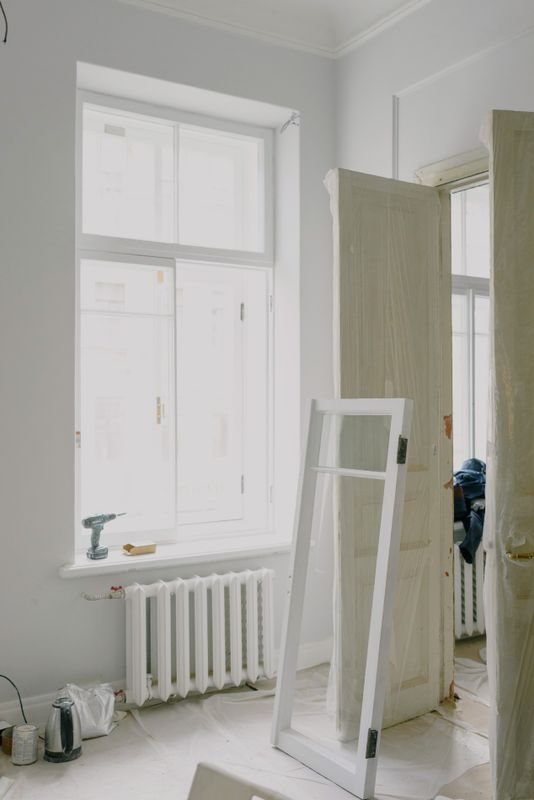
Quick answer: Some exposed tracks are designed to collect and drain limited rainwater. Persistent standing water, interior overflow or blocked outlets needs investigation.
Quick orientation
This FAQ on water in sliding door track after rain is written for balcony-door owners and maintenance teams who need a practical answer without guessing at concealed conditions. Start with what can be seen and operated safely, preserve labels and photographs, and keep product behaviour separate from wall, floor, drainage and maintenance interfaces. The aim is a clear brief for selection, service or design—not a remote diagnosis.
For “Water in a Sliding Door Track After Rain: What Is Normal?,” use the relevant window and door product range as a starting point for product context, then ask for evidence that matches the actual size, opening type, glass, hardware and exposure. A component name alone does not establish whole-window or whole-door performance.
In this guide
- Quick orientation
- Working framework
- Identify where the water sits
- Record the storm conditions
- Check accessible drainage
- Do not drill or seal
- Inspect adjacent interfaces
- Use controlled testing
- Close with a drainage record
- Frequently asked questions
- Next step
- Sources
Start with the right questions
This FAQ on water in sliding door track after rain is organised around the evidence that changes the answer.
1. Identify where the water sits
Distinguish exterior track chambers from the room-side floor and concealed wall joints.
This distinction matters to balcony-door owners and maintenance teams because identify where the water sits changes the appropriate response. Record the surface, timing and operating condition rather than relying on a description such as “foggy,” “leaking” or “noisy.”
What changes the decision
The decision changes when the evidence for identify where the water sits does not match the supplied configuration, the opening becomes unsafe, or another trade controls the relevant interface.
2. Record the storm conditions
Note wind direction, intensity, duration and when water starts and clears.
When considering record the storm conditions, separate normal behaviour from a fault that needs attention. The aim is not to name a cause from one clue, but to narrow the possibilities without introducing a new risk.
What belongs in the record
Keep the opening or room ID, date, operating condition and the evidence related to record the storm conditions. This prevents a later team from repeating the same investigation.

3. Check accessible drainage
Remove loose debris gently and keep baffles or screens in place.
Use the answer on check accessible drainage to decide what evidence is still missing. Clear photographs, labels and conditions help a supplier distinguish product behaviour, installation interfaces and unrelated building causes.
When to pause
Pause when check accessible drainage cannot be checked without force, dismantling, unsupported glass or work at height. Move the item into the qualified contractor’s scope.
4. Do not drill or seal
New holes and sealant can defeat pressure and drainage paths.
This distinction matters to balcony-door owners and maintenance teams because do not drill or seal changes the appropriate response. Record the surface, timing and operating condition rather than relying on a description such as “foggy,” “leaking” or “noisy.”
5. Inspect adjacent interfaces
Balcony falls, paving, perimeter sealant and walls can direct water toward the door.
When considering inspect adjacent interfaces, separate normal behaviour from a fault that needs attention. The aim is not to name a cause from one clue, but to narrow the possibilities without introducing a new risk.
6. Use controlled testing
Any hose or chamber test should follow an agreed method and safe boundaries.
Use the answer on use controlled testing to decide what evidence is still missing. Clear photographs, labels and conditions help a supplier distinguish product behaviour, installation interfaces and unrelated building causes.
7. Close with a drainage record
Keep drawings, repairs, observed drain time and follow-up inspection.
This distinction matters to balcony-door owners and maintenance teams because close with a drainage record changes the appropriate response. Record the surface, timing and operating condition rather than relying on a description such as “foggy,” “leaking” or “noisy.”
Frequently asked questions
When does this need urgent attention?
Interior leakage near electricity, unstable glazing or water damaging occupied finishes requires prompt professional control.
What should I photograph or record?
Record chamber location, water depth, storm conditions, drain time, outlets and adjacent floor levels.
What should I ask the supplier or contractor?
Ask for the system drainage drawing, test method, interface responsibility and verified repair.
Turn the observation into a controlled next step
For “Water in a Sliding Door Track After Rain: What Is Normal?,” a useful outcome is not simply “repair” or “replace.” It is a short record of the condition, the agreed cause or selection basis, the exact scope, and the way the result will be witnessed. For related product information and project discussions, use sliding door overview, Forge Windows blog, contact Forge Windows. Keep the final photographs and part or system references with the maintenance record.