Article summary: A second-hand door listing may offer a complete assembl…
When browsing used sliding glass doors for sale, establish what the seller is offering before deciding whether the price is attractive. Is it the complete frame, panels, tracks and hardware, or only the moving panels? Keep the purchase undecided until the available information and an assessment for your intended location support a workable plan.
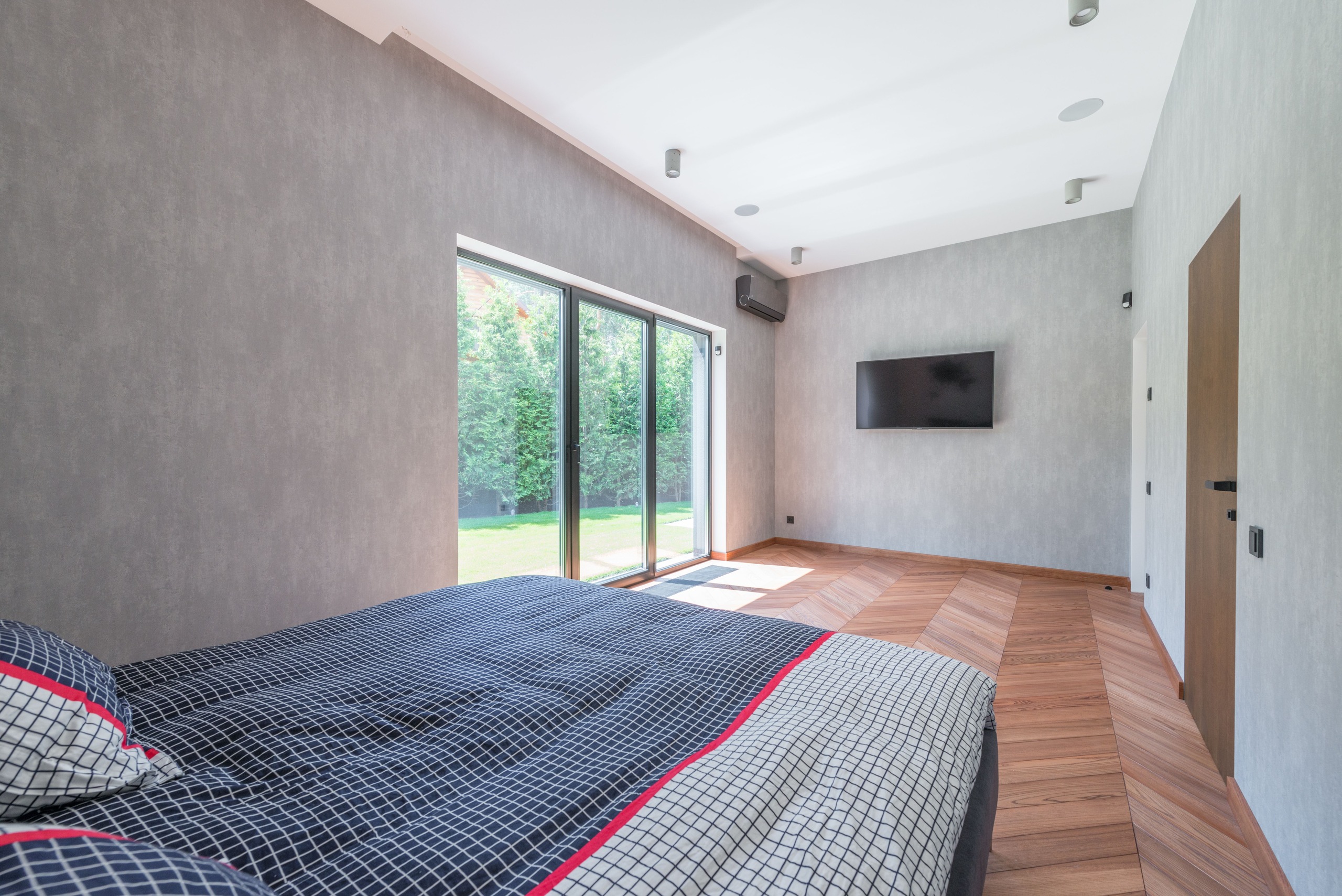
A door being removed from another Singapore home may look much like the one you want. That photograph starts the enquiry; it does not tell you which components will be included, what is missing or whether the set can be used at your home.
Turn the listing into an identifiable set
Ask the seller to name the parts included in the sale. A description such as “two glass panels” needs a different response from one offering a complete door assembly. Clarify whether the outer frame, fixed panels, running tracks, handles, locks and associated components are included. Keep anything uncertain marked as unknown. A panels-only offer may be worth considering for an identified purpose, but it should not become a whole-door purchase by assumption.
Request existing photographs showing the whole opening, together with any accessible manufacturer or model labels and retained product documents. Do not ask someone to remove covers or handle glass to produce a better photograph. If the seller cannot identify the system, pass that uncertainty on rather than filling it with a similar-looking catalogue reference.
Preserve what can be known before removal
If the door is still installed, seek the available information before it is taken apart. Ask about known damage, missing parts, previous repairs and difficulties with normal operation. Save the seller’s answers with the listing and photographs so the person assessing it later can see what was actually represented.
Those answers are a history, not an inspection report. A seller saying that the door worked does not establish its condition for reuse. If it is already dismantled, distinguish the earlier installed photographs from the parts now offered. Unaccounted-for components remain unresolved; do not assume they are ordinary accessories that will be easy to find.
Assess the receiving home as well as the offered door
Explain where you intend to use the sliding glass door. Share the building type, the existing opening and the household’s intended use with an appropriate door professional. Provide the seller’s information unchanged, including its gaps.
When discussing sliding glass door installation, establish whether that professional can assess this particular third-party set and what further information is needed. Condition, configuration, the receiving opening and applicable project requirements all need consideration. Similar overall dimensions alone do not settle those questions.
Leave removal, glass handling and transport planning with appropriate providers. This is a purchase assessment, not a reason to dismantle the donor door yourself. Our replacement-glass guide for folding doors addresses a different job: specifying a pane for an identified existing system. Buying another home’s door means establishing the offered assembly itself.
Keep the asking price attached to its actual scope
Write down what the advertised amount buys. Separately identify any assessment, removal, collection, transport, replacement components, installation or adjoining work that remains unresolved. Seek actual responses from the parties involved; an unanswered cost is not zero.
Our balcony-door selection guide covers broader requirements for a complete proposed system. For this second-hand listing, the immediate decision is narrower. If the offered set cannot be identified, its missing parts remain unclear or nobody has established a viable installation proposal, leave it unbought. A low asking price does not resolve those gaps.