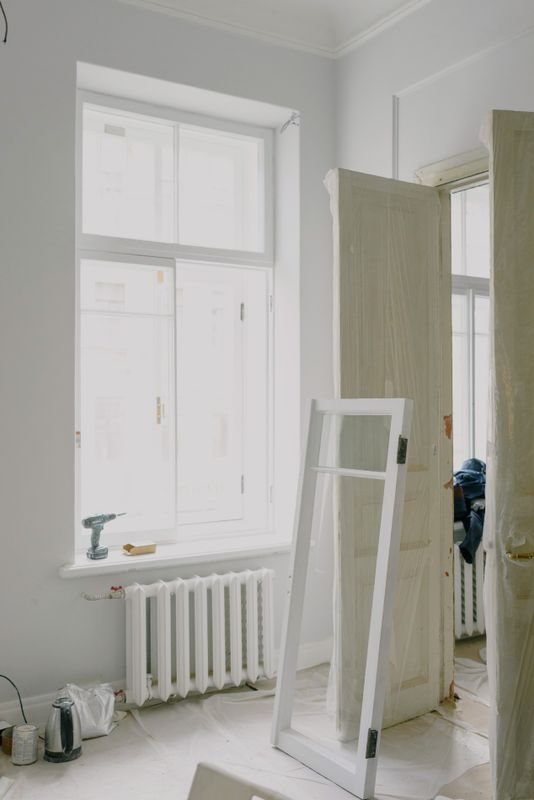
Old-house windows often carry more architectural character than homeowners first realize. Their proportions, mullion patterns, sill depths and shadows help define the facade. At the same time, failed paint, damaged putty, loose hardware, worn seals or poorly fitted later replacements can make rooms uncomfortable. A good renovation therefore starts with diagnosis, not automatic replacement.
Inspect every window and sort it into repair, upgrade or replace. Where an original unit is significant and repairable, maintenance, weatherstripping, glazing repair or a compatible storm panel may be worth exploring. Where replacement is justified, match the new frame to the opening and select the operating style, frame, glass, seals, drainage and installation detail as one system.
Casement Windows: Strong All-Rounders for Ventilation
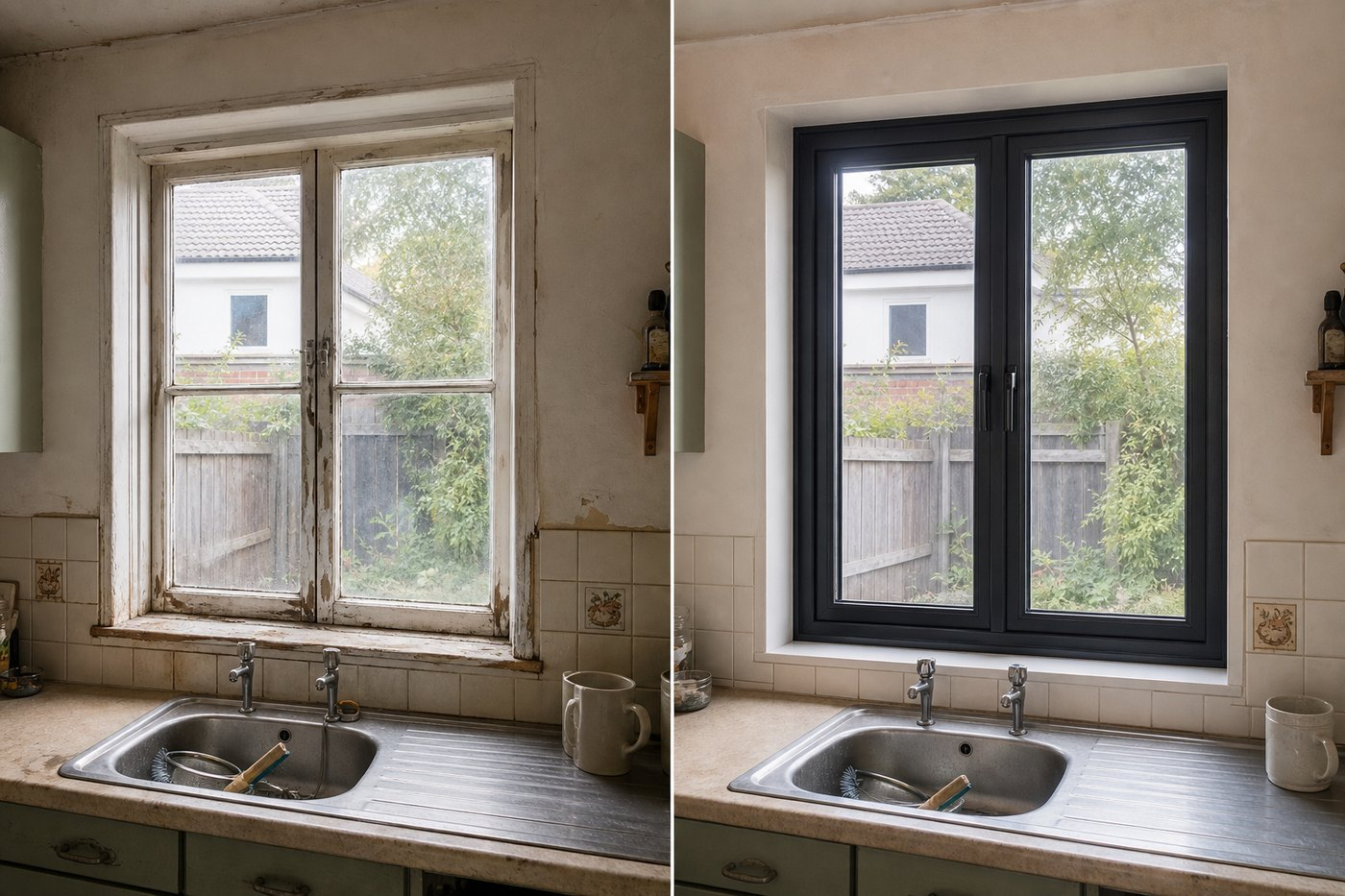
Casement windows are hinged at the side and can direct useful airflow into a room. Because the sash closes against the frame, this operating family can support a more continuous compression seal than typical sliding arrangements, although actual air and water performance still depends on the tested product, hardware, drainage and installation.
They suit kitchens, bedrooms, studies and living spaces where there is enough clearance for the sash. In an old house, confirm that the opening direction will not clash with paths, eaves, screens, curtains or security bars. Narrow vertical proportions can echo traditional windows even when the frame material is contemporary.
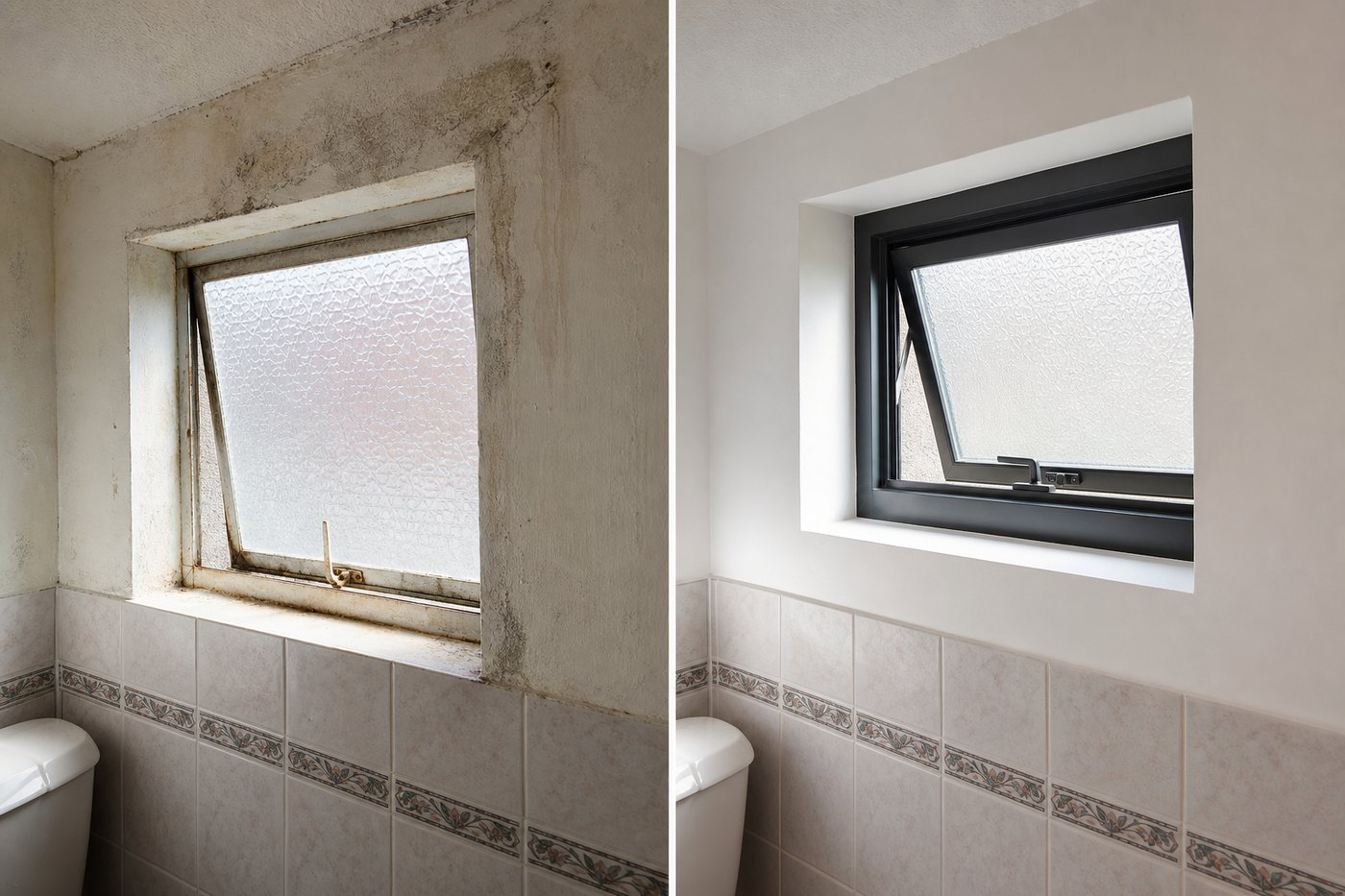
Awning or Top-Hung Windows: Controlled Ventilation and Privacy
Awning windows are hinged at the top and open outward. Their compact opening is useful in bathrooms, laundries and higher wall positions where privacy matters. When paired with obscure glass, they can bring daylight and ventilation into a small room without creating a direct view.
The outward-projecting sash can offer some shelter to the opening during light rain, but it is not a guarantee against water entry. The sill, drainage outlets, seals, corners and wall interface still need to be designed and installed correctly. Check that the sash remains reachable for operation and cleaning.
Sliding Windows: Space-Efficient and Easy to Place
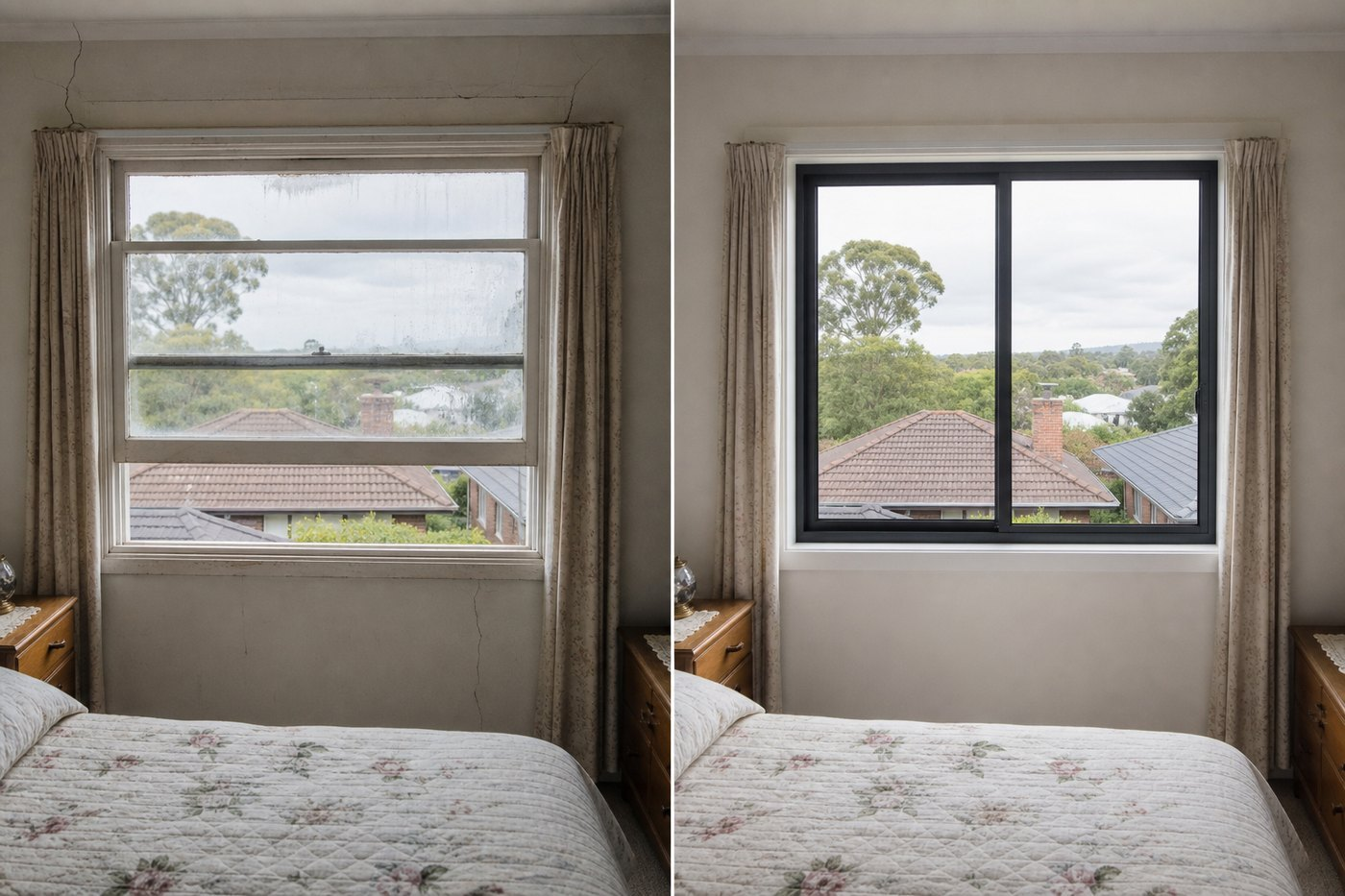
Sliding windows are useful where an outward-opening sash would obstruct a walkway or where an inward-opening sash would conflict with furniture and curtains. Their broad horizontal format can suit bedrooms and living rooms, especially when the renovation aims to frame a garden or city view.
The trade-off is that sliding tracks and meeting rails need careful detailing and maintenance. Compare drainage paths, brush or gasket arrangements, interlocks, hardware and cleaning access. Do not judge thermal or rain performance from the opening type alone; check the complete rated configuration and the installation proposal.
Fixed Windows: Maximum View, No Ventilation
Fixed glazing is ideal for a view, a stair void, a high wall or part of a larger combination where ventilation is provided elsewhere. With no opening hardware, it can deliver a clean sightline and avoid unnecessary moving parts. It should not be used where the window is expected to provide required ventilation or emergency escape.
Large fixed panes need appropriate glass selection, structural support and safe access for cleaning. Solar exposure matters: glass that works on a shaded elevation may be uncomfortable on a strongly exposed one. Match the glazing to climate, orientation, shading and room use.
Louvre Windows: Airflow With Important Trade-Offs
Louvres can provide generous ventilation and suit certain tropical, service or transitional spaces. They may complement an older home whose original design relied on constant cross-ventilation. However, they involve multiple blade edges and seals, so their air, water, acoustic and security characteristics should be checked carefully for the intended location.
Use them selectively rather than as a default whole-house solution. A sheltered bathroom, laundry or screened veranda may be a better fit than an exposed bedroom facade. Where noise, driven rain or conditioned indoor comfort is a priority, compare alternative operating styles.
What Actually Controls Water and Heat Performance?
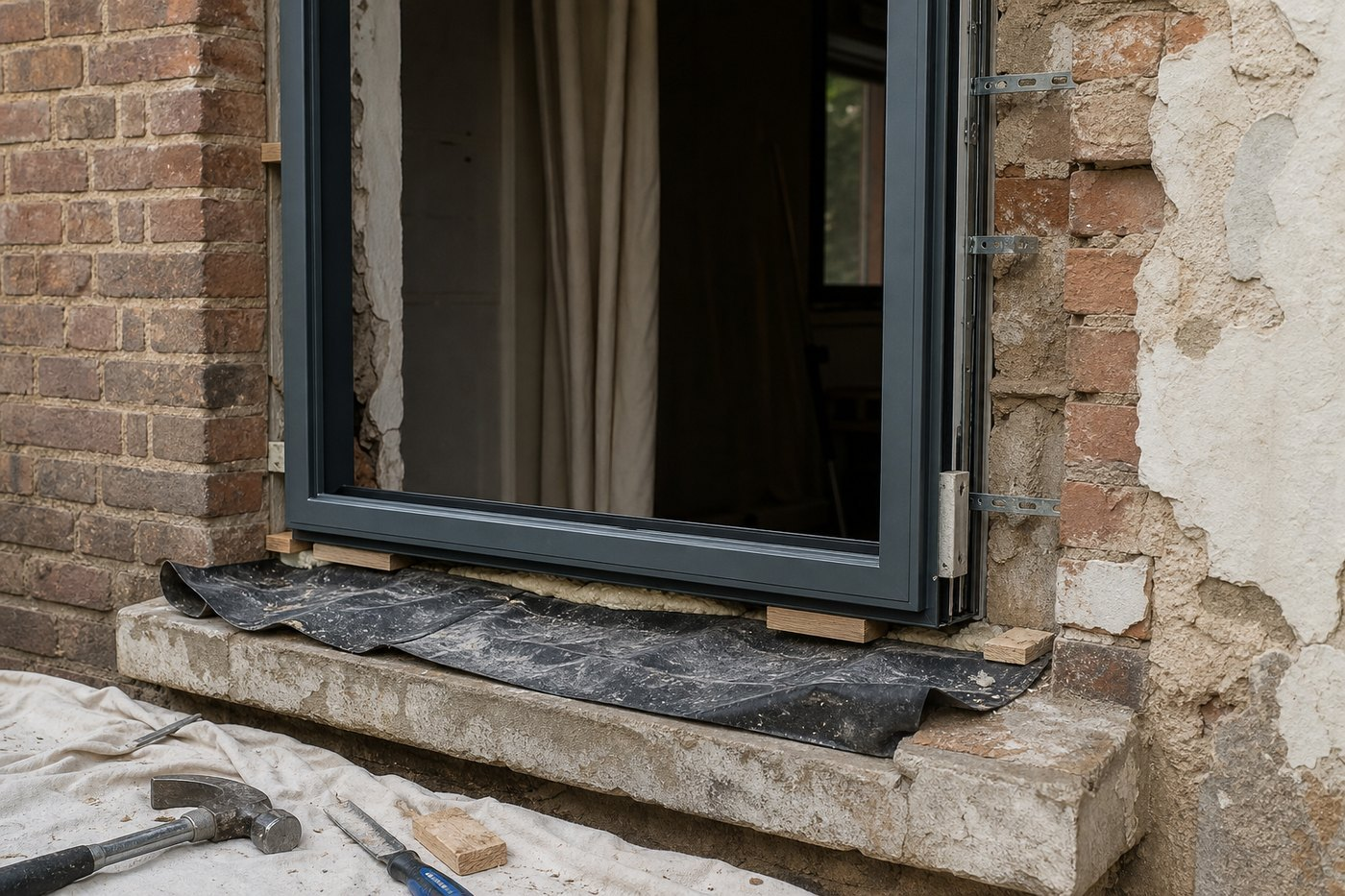
Opening style is only one part of performance. Water management depends on seals, corner construction, pressure and drainage paths, sill design, flashing, exterior sealant joints and the condition of the wall around the opening. Heat flow is shaped by the glass, spacer, frame material, thermal breaks, exposed area, orientation and shading. Installation gaps can undermine a strong product, while an appropriate product can still disappoint if it is used on the wrong elevation.
For comparisons, request the complete product configuration and performance documentation that applies to the exact size and glass being quoted. In the United States, ENERGY STAR and NFRC labels provide climate-related and independently rated information; other markets use their own standards and labels. A project professional should confirm the correct local requirements.
Typical Window-Type Comparison
This is a qualitative design comparison, not a certified performance rating. Verify the exact product, size, glass, exposure and installation detail.
| Window type | Ventilation | Typical rain-management potential | Heat-control potential | Best renovation uses |
| Casement | Strong, directional | Often favorable when the sash compresses against continuous seals; verify the complete system | Good when frame, glass, seals and shading are selected together | Kitchens, bedrooms, studies, living areas |
| Awning / top-hung | Controlled, compact | Can shelter the opening in light rain, but sill and drainage details remain essential | Good with suitable glass and frame | Bathrooms, laundries, high-level openings |
| Sliding | Moderate; usually part of the opening | Depends heavily on tracks, interlocks, drainage and installation | Varies by frame and glazing configuration | Bedrooms, living rooms, tight internal or external spaces |
| Fixed | None | Potentially strong when properly installed because there are no opening joints | Can be strong, but solar exposure and large glass area must be managed | Views, stair voids, combination windows |
| Louvre | High | More joints and blade edges require careful product and location selection | Often less suited to tightly conditioned rooms; verify exact product | Sheltered service areas, verandas, selected warm-climate spaces |