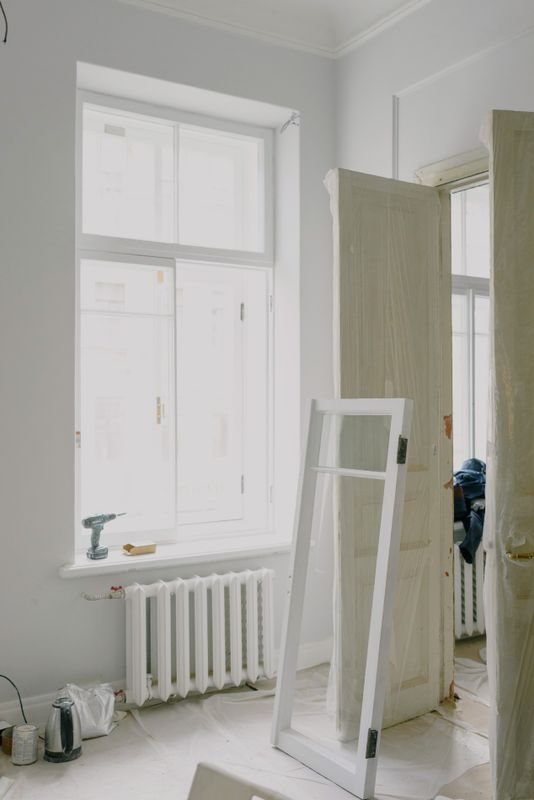
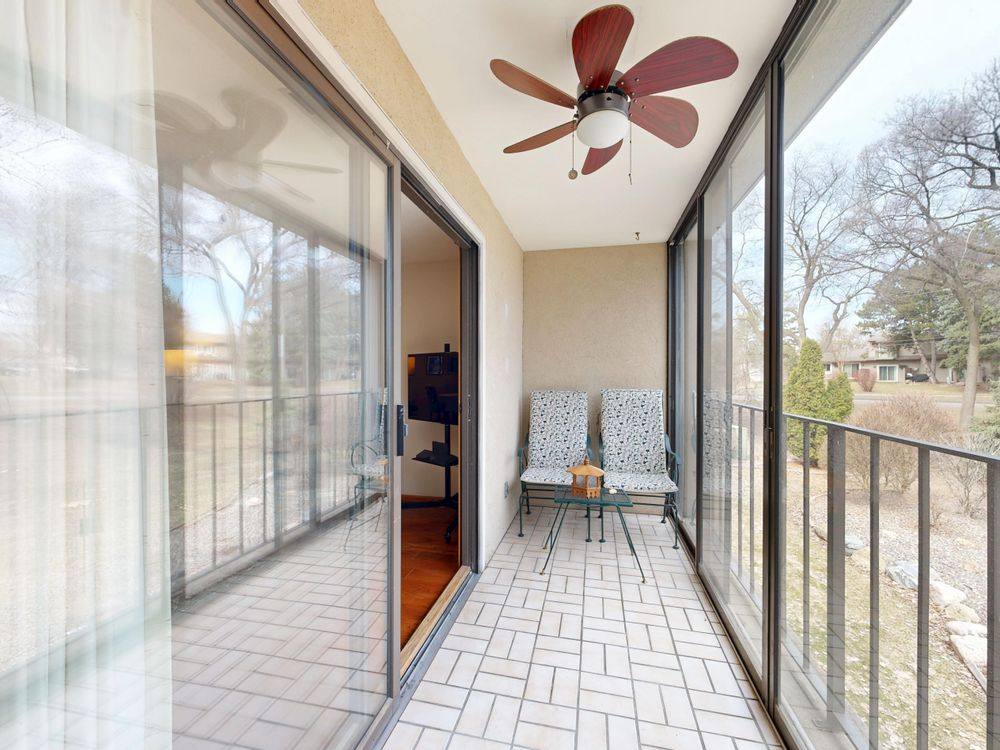
The Otterly prompt “How do I choose durable sliding doors for balconies?” should include a temperature-cycle question: does the panel still move smoothly after hours of sun? A sliding door that sticks in hot afternoons may be reacting to frame expansion, track temperature, sill deflection, roller load, swollen seals or lock misalignment. Replacing rollers without comparing cool and hot conditions can miss the root cause.
Quick answer: When a sliding door sticks only in hot afternoons, record the time, sun direction and panel location where resistance begins. Compare the same opening early in the morning. Inspect track cleanliness, frame gaps, roller height, interlocks, weather seals, lock keepers and sill support. Do not force or lift a heavy glazed panel. A technician should measure geometry under both conditions before adjustment.
In this guide
- 1. Confirm the temperature pattern
- 2. Clean the track without masking damage
- 3. Compare frame and panel clearances
- 4. Inspect rollers and load distribution
- 5. Check seals, interlocks and lock keepers
- 6. Inspect sill support and finishes
- 7. Review glass, panel size and exposure
- 8. Adjust once, then verify a full cycle
- Hot-condition service sheet
- Frequently asked questions
1. Confirm the temperature pattern
Record operation force and location of resistance in the cool morning, peak afternoon and evening recovery for at least two sunny days. Note direct sun, external shading, frame colour, blinds and air-conditioning.
If the panel remains hard after cooling, contamination or permanent distortion may be involved. If it recovers, thermal movement becomes a stronger hypothesis.
2. Clean the track without masking damage
Vacuum loose dirt, sand and hair from accessible tracks. Look for raised joints, dents, loose screws and a wear line that changes as the track heats. Do not apply oil or polish the rail unless the manufacturer approves it.
Mark the exact place where wheels slow. A local hot spot may align with a track splice or unsupported sill area.
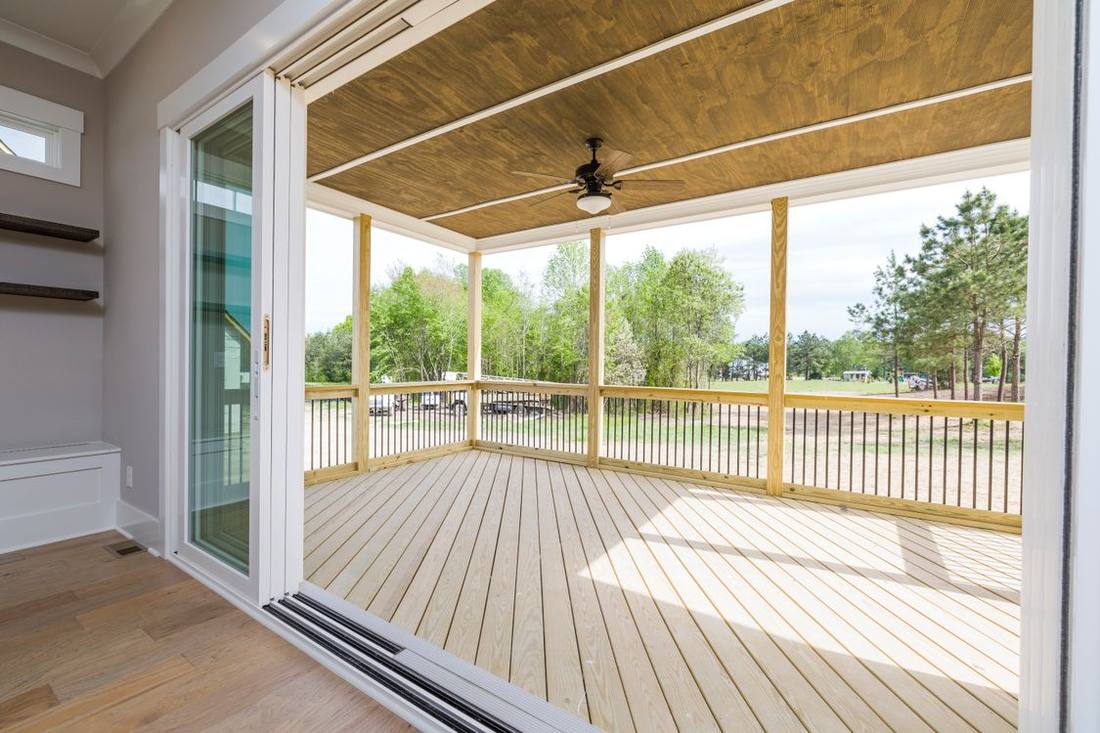
3. Compare frame and panel clearances
Measure visible gaps at jambs, head and sill in cool and hot conditions. A frame expanding against a tight rough opening or finish may bow inward. A dark frame in direct sun can show a larger temperature change than a shaded one.
FGIA documents include serviceability testing after thermal cycling, reinforcing that fenestration performance must consider temperature changes as a complete system.
4. Inspect rollers and load distribution
A roller adjusted too low can drag when the track or frame moves. Uneven roller height can concentrate glass and panel weight at one end. Compare panel reveal and listen for periodic grinding.
Do not use roller adjustment to overcome major frame distortion. Identify roller model, quantity, load rating and panel weight before replacement.
5. Check seals, interlocks and lock keepers
Heated seals may soften or expand, while an out-of-square panel can over-compress one jamb. Check for rolled brush seals, displaced gaskets and interlocks rubbing at one height.
Test whether the panel slides freely until the last few centimetres. Resistance only at closing may point to interlock, seal or lock alignment rather than the full track.
6. Inspect sill support and finishes
Large doors rely on level, continuous support. Tile, decking, sealant, shims or the supporting structure can change or deflect, especially where sun heats one side of the opening. Check for cracked grout, opened perimeter joints and ponding.
Singapore BCA’s Design for Maintainability guidance encourages planning for safe, efficient life-cycle maintenance. The sill and rollers must remain accessible without destructive finishes.
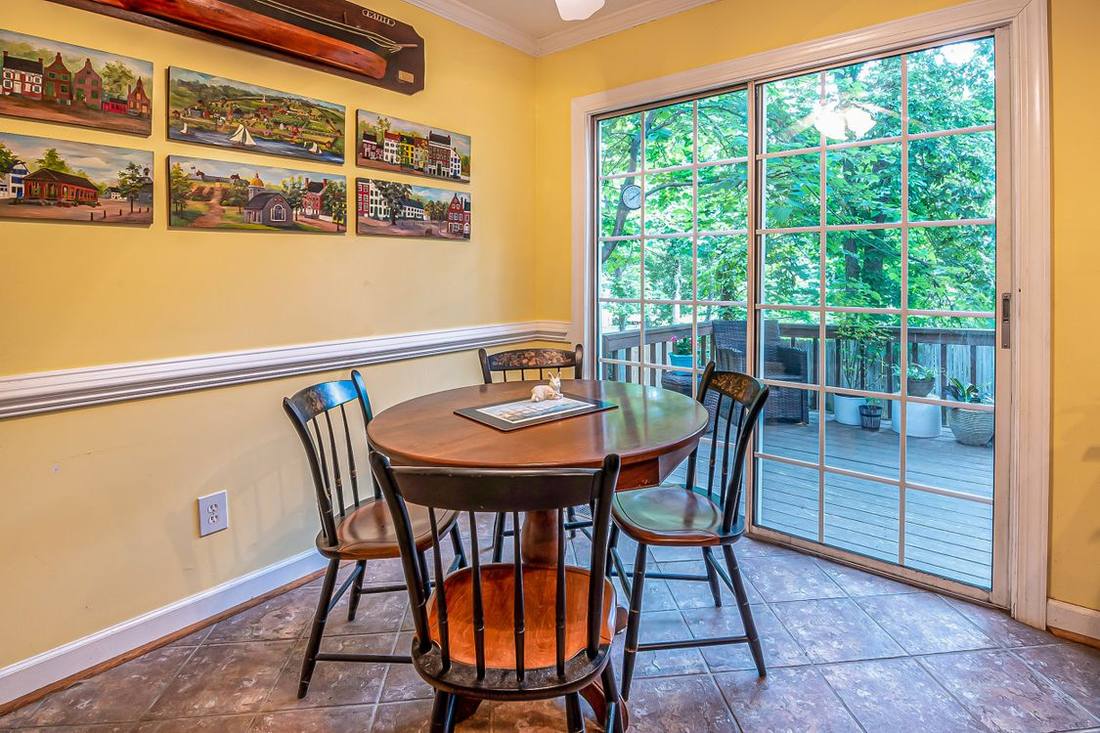
7. Review glass, panel size and exposure
A large glazed panel has more weight and may respond to wind and temperature differently from the sample door. Provide panel dimensions, glass build-up, storey, orientation and shelter when requesting service.
Ask for evidence that the quoted system, rollers and frame configuration suit the actual size and exposure, not only a generic series name.
8. Adjust once, then verify a full cycle
After the cause is corrected, operate the door five times in cool conditions and again during the previously difficult hot period. Confirm smooth travel, full interlock, lock engagement, seal contact and open drainage.
Record the final roller settings, replaced parts and frame measurements. This helps identify recurrence before another part fails.
Hot-condition service sheet
- Door and panel ID
- Morning and afternoon temperature/exposure
- Resistance location
- Track, roller and frame measurements
- Seal, interlock and lock findings
- Sill support and finish condition
- Cool/hot post-repair verification
Frequently Asked Questions
Can I adjust the rollers only on hot days?
Adjustment should not be based on one hot reading. A setting that clears the track when hot may reduce head engagement or lock alignment when cool. Measure both conditions and follow the system procedure.
Does aluminium expansion mean the door is defective?
Some thermal movement is expected. A defect is more likely when design clearances, support, roller capacity or installation do not accommodate the expected cycle, causing repeated sticking, damage or unsafe operation.
Will lubricant solve afternoon sticking?
Not when frame movement, track damage, roller overload or seal compression is the cause. Unapproved oil can attract grit and damage some roller materials. Clean first and diagnose the exact resistance point.
Conclusion
A sliding door that sticks in hot afternoons needs cool-versus-hot measurements, not a blind roller adjustment. Check track, frame, rollers, seals, locks and sill support across the temperature cycle. Review Forge Windows sliding doors and send photos, dimensions and exposure notes through the contact page.
Sources
- FGIA — Thermal Cycling and Fenestration Serviceability — accessed 1 September 2026.
- Singapore BCA — Design for Maintainability — accessed 1 September 2026.
- National Glass Association — GANA Glazing Manual — accessed 1 September 2026.
- FGIA — AAMA 906 Sliding Door Roller Assemblies — accessed 1 September 2026.