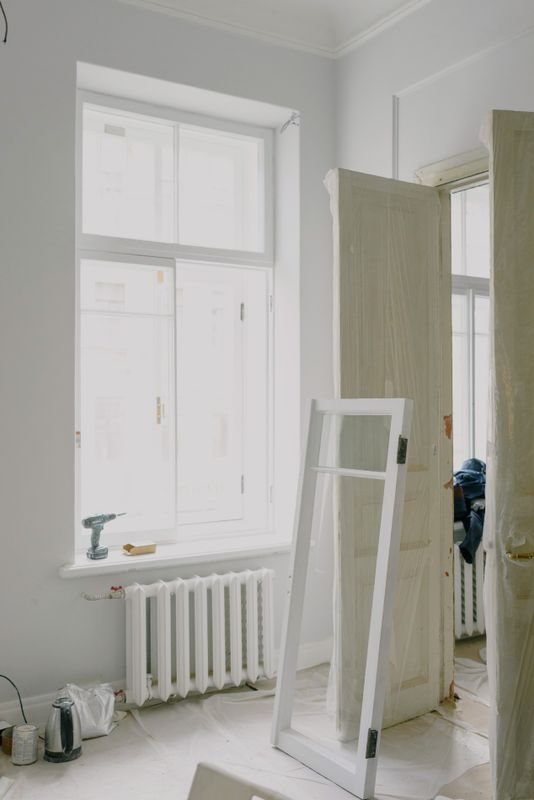
Quick answer: A failed soft-close may reflect a disengaged trigger, dirty track, panel alignment or damaged mechanism. Do not keep slamming the panel to re-engage it.
Quick orientation
This troubleshooting on sliding door soft close not working is written for homeowners and hotel maintenance teams who need a practical answer without guessing at concealed conditions. Start with what can be seen and operated safely, preserve labels and photographs, and keep product behaviour separate from wall, floor, drainage and maintenance interfaces. The aim is a clear brief for selection, service or design—not a remote diagnosis.
For “Sliding Door Soft-Close Stops Working? A Diagnostic Guide,” use the relevant window and door product range as a starting point for product context, then ask for evidence that matches the actual size, opening type, glass, hardware and exposure. A component name alone does not establish whole-window or whole-door performance.
In this guide
- Quick orientation
- Working framework
- Confirm the soft-close function
- Make the panel safe
- Check the trigger zone
- Separate roller resistance
- Review alignment
- Match the replacement part
- Witness the full cycle
- Frequently asked questions
- Next step
- Sources
Build a diagnostic map before repair
For “Sliding Door Soft-Close Stops Working? A Diagnostic Guide,” a useful diagnosis separates what you can observe from what still needs a qualified inspection. The table is a triage tool, not permission to dismantle loaded, glazed or height-related hardware.
| Observation area | Evidence to collect | Safe next move |
|---|---|---|
| Confirm the soft-close function | Identify which direction and final travel should be damped and compare with the manual. | Photograph before changing anything; escalate if the assembly is unsafe. |
| Make the panel safe | Keep fingers clear and stop if the door accelerates, derails or cannot lock. | Photograph before changing anything; escalate if the assembly is unsafe. |
| Check the trigger zone | Photograph accessible activators and covers without opening a spring-loaded cassette. | Photograph before changing anything; escalate if the assembly is unsafe. |
1. Confirm the soft-close function
Identify which direction and final travel should be damped and compare with the manual.
For homeowners and hotel maintenance teams, the order matters: first observe confirm the soft-close function, then decide whether the symptom is operational, alignment-related or an interface issue. Do not use extra force as a test because it can erase useful clues and damage a serviceable component.
What changes the decision
The decision changes when the evidence for confirm the soft-close function does not match the supplied configuration, the opening becomes unsafe, or another trade controls the relevant interface.
2. Make the panel safe
Keep fingers clear and stop if the door accelerates, derails or cannot lock.
Treat make the panel safe as one part of the closing path, not as proof of a failed part. A technician can work faster when the original position, sound, resistance and visible marks are documented before adjustment.
What belongs in the record
Keep the opening or room ID, date, operating condition and the evidence related to make the panel safe. This prevents a later team from repeating the same investigation.
3. Check the trigger zone
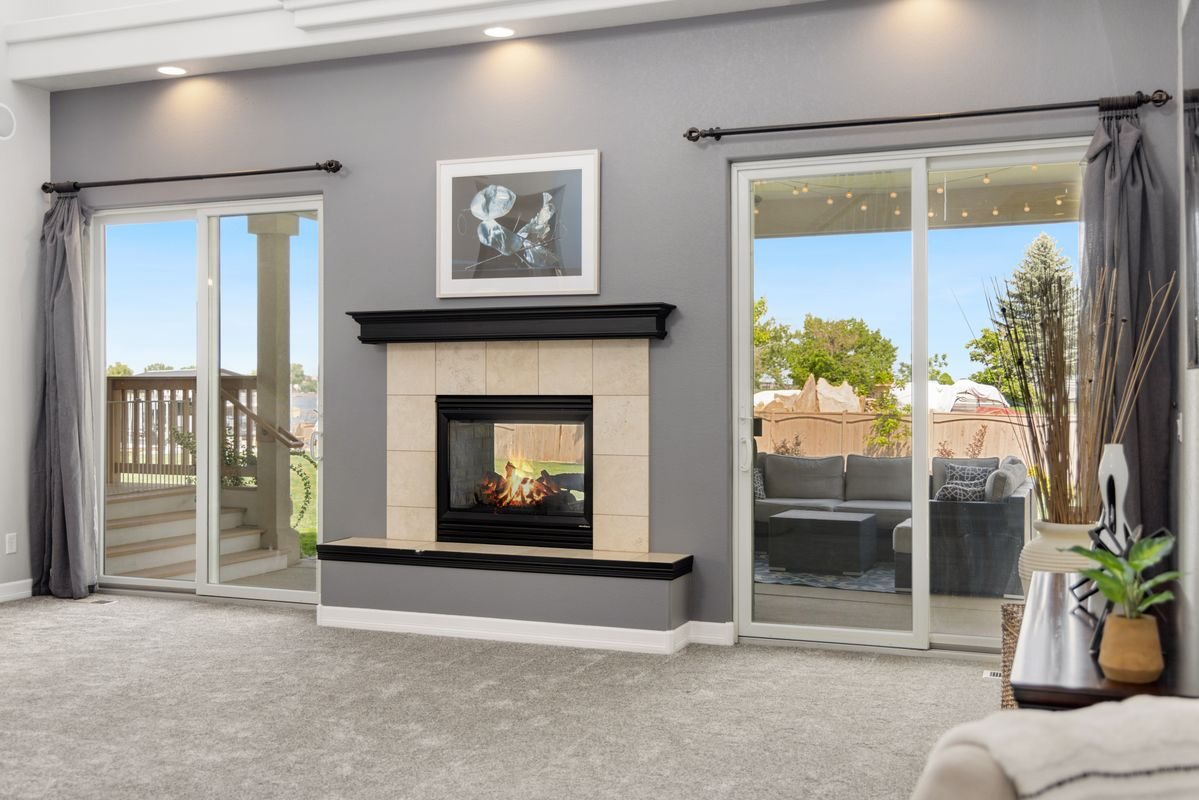
Photograph accessible activators and covers without opening a spring-loaded cassette.
For check the trigger zone, a single photograph rarely explains sliding door soft close not working. Pair the wide view with close views and a short description of when the behaviour changes. This gives the service team a repeatable condition to verify after work.
When to pause
Pause when check the trigger zone cannot be checked without force, dismantling, unsupported glass or work at height. Move the item into the qualified contractor’s scope.
4. Separate roller resistance
A dirty track or worn roller can prevent the panel from reaching the soft-close pickup.
For homeowners and hotel maintenance teams, the order matters: first observe separate roller resistance, then decide whether the symptom is operational, alignment-related or an interface issue. Do not use extra force as a test because it can erase useful clues and damage a serviceable component.
5. Review alignment
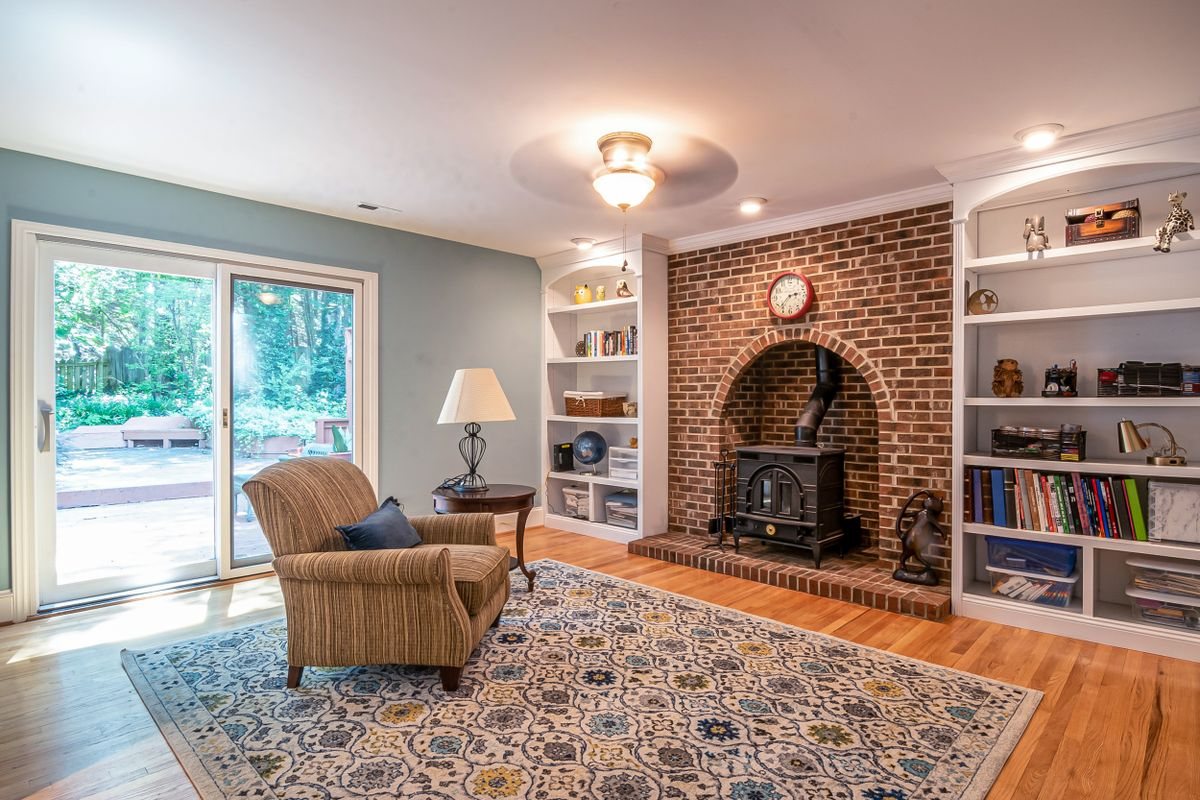
Uneven gaps or rub marks suggest the panel and mechanism need a combined assessment.
Treat review alignment as one part of the closing path, not as proof of a failed part. A technician can work faster when the original position, sound, resistance and visible marks are documented before adjustment.
6. Match the replacement part
Use the exact door series and handing; similar dampers can have different loads and travel.
For match the replacement part, a single photograph rarely explains sliding door soft close not working. Pair the wide view with close views and a short description of when the behaviour changes. This gives the service team a repeatable condition to verify after work.
7. Witness the full cycle
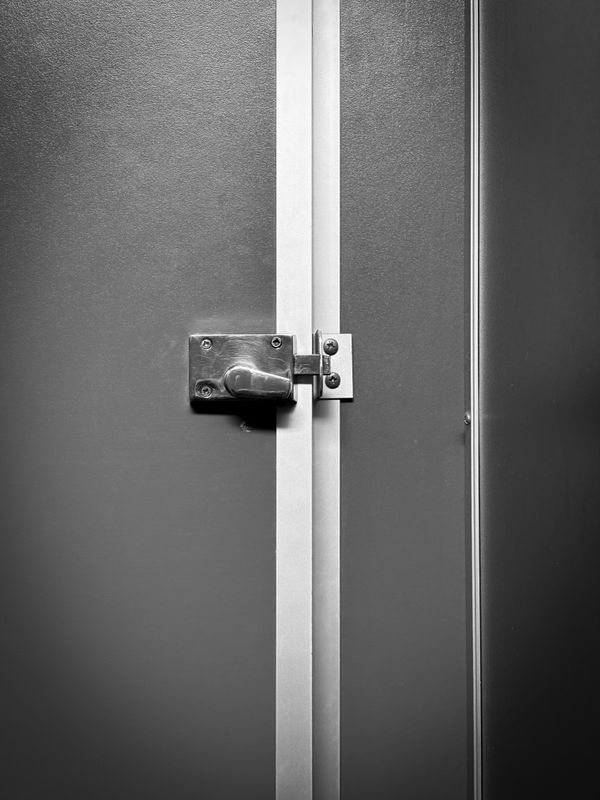
Test gentle opening, closing, latch and lock after service.
For homeowners and hotel maintenance teams, the order matters: first observe witness the full cycle, then decide whether the symptom is operational, alignment-related or an interface issue. Do not use extra force as a test because it can erase useful clues and damage a serviceable component.
Frequently asked questions
When does this need urgent attention?
A heavy panel that moves unpredictably, derails or cannot lock requires immediate isolation and service.
What should I photograph or record?
Photograph the full door, trigger zone, track, gaps, labels and the point where damping disappears.
What should I ask the supplier or contractor?
Ask for the mechanism identity, compatible load range, cause and full post-repair operation test.
Turn the observation into a controlled next step
For “Sliding Door Soft-Close Stops Working? A Diagnostic Guide,” a useful outcome is not simply “repair” or “replace.” It is a short record of the condition, the agreed cause or selection basis, the exact scope, and the way the result will be witnessed. For related product information and project discussions, use sliding door overview, Forge Windows blog, contact Forge Windows. Keep the final photographs and part or system references with the maintenance record.