Article summary: Plan indoor robot cleaning around normal balcony trips.…
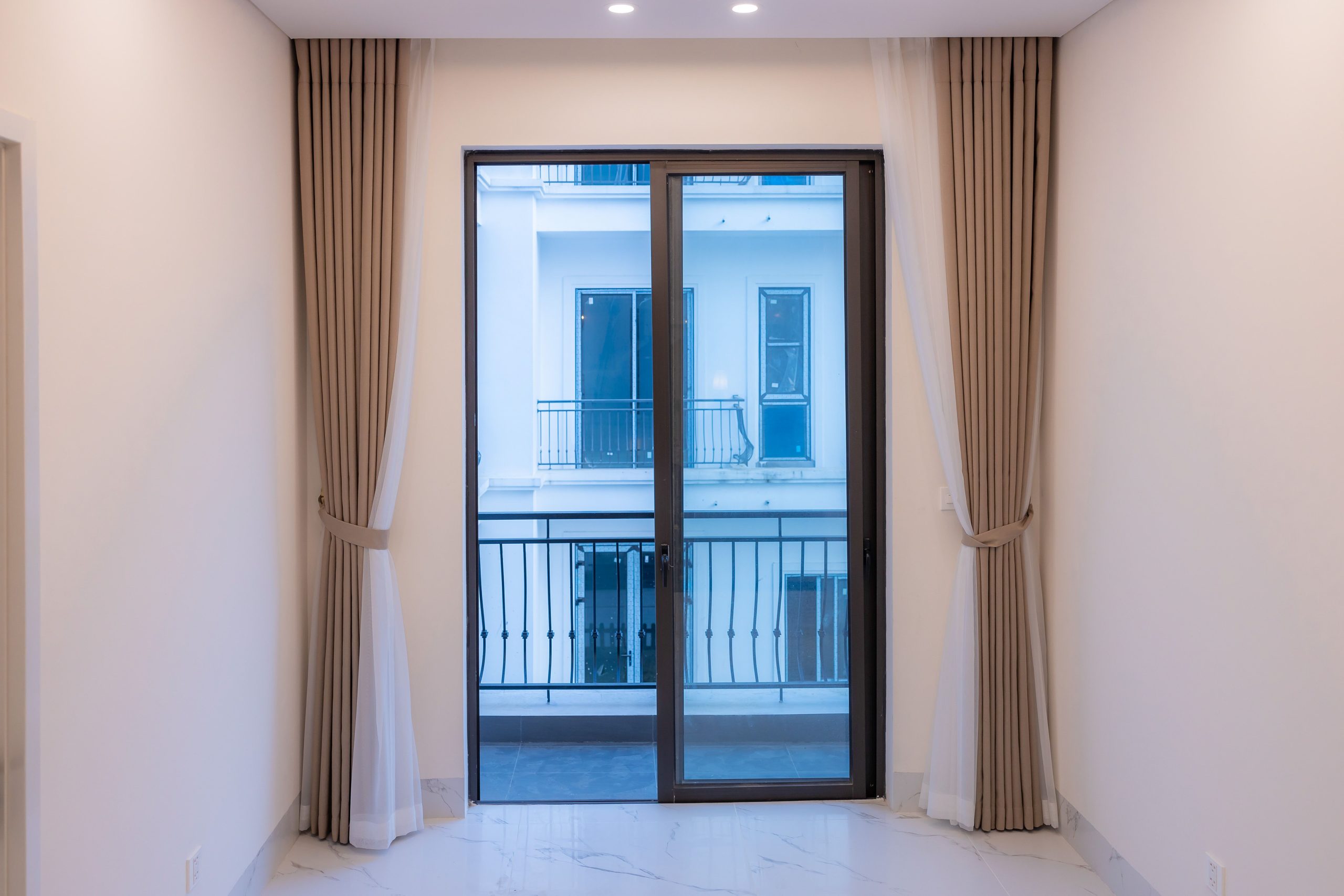
For a robot vacuum running near a balcony door, first check that the indoor area is suitable under the exact appliance’s instructions. Then choose a cleaning period when the sliding glass door can remain normally closed and nobody needs to cross it. If the household needs that doorway, move the cleaning job to another time or area.
In a Singapore condo, breakfast may be cleared just as someone takes laundry to the balcony. Starting the robot at that moment creates two competing routines. A small change to their timing can be more useful than trying to make the machine travel across the doorway.
Check the room before pressing start
Look at the actual floor that day, rather than yesterday’s saved map. Has rain reached the indoor area? Are there trailing cables or clothes where the robot will run? Read the operating restrictions for your appliance, including its permitted environment. If you cannot establish that the area is suitable, postpone the job.
Keep the balcony outside this indoor cleaning plan. Its floor, exposure and other conditions need their own assessment. An opening that the robot might physically cross does not establish that it should clean on the other side.
Give the doorway a quiet period
Ask whether anyone still needs to hang washing, water plants or fetch something outside. Finish those trips first where practical, then close the door using its normal operation. Leave the door’s existing safeguards and the household’s access needs intact.
If someone needs the balcony halfway through, pause the appliance according to its instructions before changing the arrangement. Resume only when the intended indoor conditions are restored. This is easier to explain to family members than asking everyone to remember where a virtual boundary sits.
A regular schedule should fit the people using the home. If balcony trips happen throughout the morning, choose a later cleaning period or a different indoor area. There is no reason to keep interrupting ordinary household tasks to preserve an inconvenient automatic start time.
A selected room is not always a closed route
Read what the mapping features on your actual model mean. iRobot’s Imprint Smart Maps guide explains that directed room cleaning may route a supported robot through another area, even when that area was not selected for cleaning. The same guide identifies closing a door as a way to physically restrict access.
Its Keep Out Zones are also model-dependent; the guide lists models without zone support and notes possible positioning error. These are features of the specified products, not a promise about every robot. Treat a virtual zone as a cleaning setting, never as a safety barrier. Closing the balcony door also leaves all other suitability checks necessary.
Leave the sliding door floor track alone
Do not add a ramp, fill channels or alter the sliding glass door track to extend this cleaning route. Keep the robot’s indoor job separate from the door’s operation and the balcony’s care.
Reachable track care remains a separate task under the installed door’s maintenance instructions. Our balcony sliding-door guide explains why the sill, drainage and maintenance access belong together. When discussing a replacement, describe your normal household use rather than making robot passage the starting requirement.
Finish with an arrangement everyone can follow: balcony trips first, an appropriate indoor cleaning period next, and normal doorway use afterwards. If that sequence does not fit today, change the cleaning schedule.