Article summary: Keeping the casement windows in your Singapore bedroom?…
Before buying portable air con for casement windows, compare the exact appliance’s manufacturer-supported exhaust arrangement with the windows already in your room. An included window kit is only useful if its intended window type and your existing opening match. Keep normal closing, locking and the return to everyday window use in that decision.
In a Singapore HDB flat or condo, the unit may seem easy to place beside a bedroom window. The important detail is how that window opens. A side-hinged sash swings; a diagram showing a sash sliding against a vent panel describes a different arrangement.

Read the window diagram before the shopping list
Look for the installation instructions for the exact appliance and supplied accessories. A useful example is the portable-air-conditioner manual hosted by Midea Singapore. Page 10 illustrates its window-slider installation with hung or sliding windows and qualifies the instructions as applying to some models.
Those drawings show vertically and horizontally moving sashes. They do not establish a supported arrangement for your swinging casement. Read the relevant picture and model notes together, rather than treating “window kit included” as a statement that the box suits every opening.
If your exact product instructions show another window type, pause the purchase and seek the manufacturer’s supported solution for your actual window. Keep that response tied to the appliance model and accessories. A general online listing for an AC window kit for a casement window does not establish that compatibility.
Describe the window you intend to keep
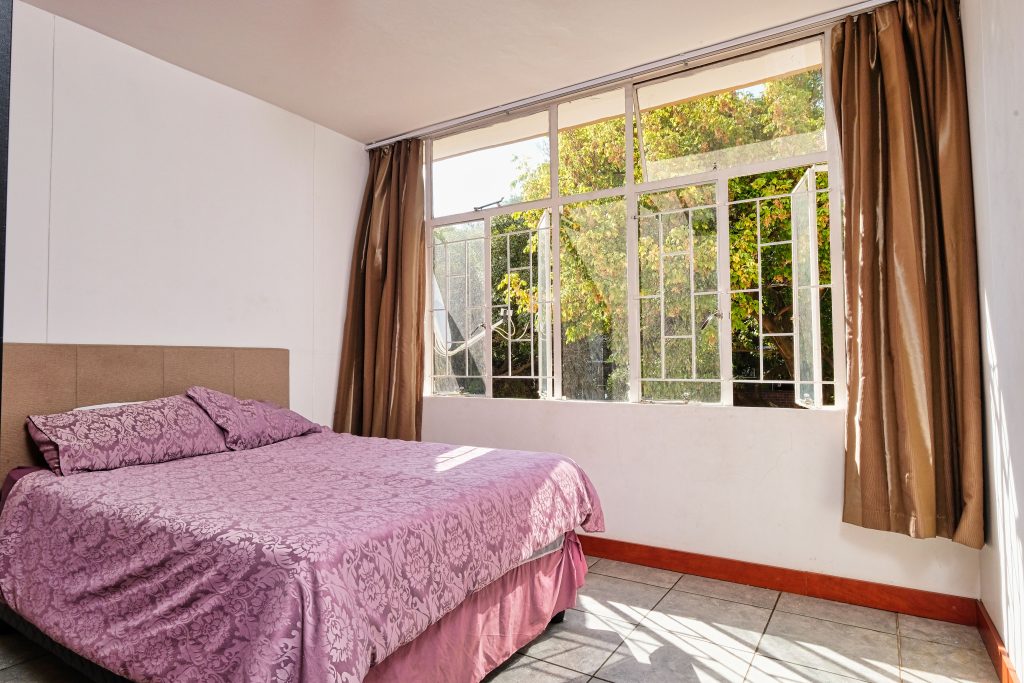
Use room-side photographs to identify which sash opens and how it moves. Include the normal handle, any screen and surrounding grilles, so the person reviewing compatibility can see the existing arrangement. Explain whether curtains or furniture occupy the proposed position. There is no need to dismantle anything to prepare those photographs.
Keep the discussion focused on using the current window. An adapter proposal should explain its relationship with that opening and its normal operation. If it depends on altering the frame, removing glass or changing window safety hardware, stop treating it as a straightforward accessory purchase and obtain the appropriate professional assessment.
Consider the moments when the window must close
Think beyond the hours when you want the appliance running. You may need to leave for work, close up before bed or respond to rain reaching the opening. Write down the window states your household needs, including normal closure and locking. Compare any proposed arrangement against those situations before ordering.
Ask for the model-specific explanation of how the installed accessories are used and how the window returns to its normal state when they are no longer needed. Do not assume an accessory leaves the original locking or rain protection unchanged. A setup that looks convenient in a photograph still needs an answer for your room.
Finish with a compatibility decision
When comparing casement window kits for portable air conditioners, keep the appliance model, intended window type and documented installation arrangement together. If the supported plan remains unclear, leave the purchase undecided. That is more useful than buying a kit and trying to invent an adaptation afterwards.
Our sliding-versus-casement guide explains the separate opening-style comparison. Here, your starting point is an installed casement you intend to retain. Decide whether the proposed appliance has a supported route through that existing opening, while preserving the window use your household needs.