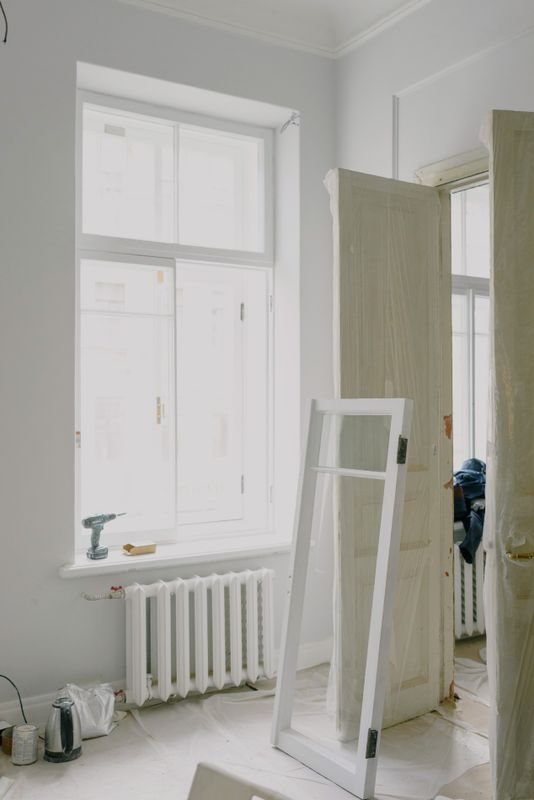
Occupied hotel window replacement is a construction project inside a working hospitality operation. A room can be technically ready for glazing but still not be ready for guests because of temporary security, noise, dust, curtains or unfinished cleaning. The following questions help owners set a realistic plan without claiming that every hotel follows the same schedule.
Quick answer: Survey and mock up one representative room first. Agree which rooms must be vacant, when exterior and interior work is allowed, how openings are secured between shifts, and who signs off cleaning, operation and guest-ready condition. Keep the project team, hotel operations and contractor on a room-by-room handover board.
In this guide
Occupied hotel window replacement: which rooms to survey?
Start with representative room types and unusual façades rather than measuring every pane from a nominal plan. Include corners, accessible rooms, balconies, differing curtain layouts and areas with previous water or noise complaints. Record the structural opening, frame, glass, hardware, interior finish and exterior access. Use room and elevation codes in technical documents, not personal guest data.
National Institute of Building Sciences (NIBS) enclosure-commissioning guidance supports coordinated mock-ups and field quality checks. A sample room can test the removal method, perimeter detail, protection, guest operation and finish before the team repeats work. It does not make every hidden substrate identical; keep an exception process for unexpected conditions.
How do we avoid leaving an unsecured room?
Set a daily hold point: no guest room is released until glazing, locks, barriers, alarms and weather protection are complete under the approved plan. If work stops with an opening unfinished, define temporary security and weather measures in advance. Do not improvise plywood or film as a permanent safety or water barrier. The duty manager should know which rooms are unavailable and who has authority to release them.
Exterior work may need restricted ground-level zones, access equipment and weather limits. Interior work needs furniture, carpets, electronics and belongings protected. The National Glass Association’s site-protection guidance explains how storage, adjacent trades and improper cleaning can permanently damage architectural glass. Include delivered-pane storage and a no-abrasive-cleaning instruction in the work method.
What does “guest-ready” actually mean?
| Stage | Owner of the check | Visible evidence |
|---|---|---|
| Window installed | Glazing contractor | Glass ID, perimeter detail, secure hardware |
| Technical acceptance | Project quality team | Operation, finish, tests and defect list |
| Room restored | Hotel operations | Clean surfaces, curtains, furniture, amenities |
| Guest release | Duty manager | Signed room-ready entry |
This is a sample workflow, not a record of a Forge project. A window that closes but requires unusual force may not be acceptable. Test guest-facing controls, restrictors, curtain travel and cleaning. Keep an unresolved defect open with a planned remedy rather than releasing it as a verbal “minor snag.”
Frequently asked questions
Can replacement happen while a guest remains in the room?
Do not assume so. The contractor and hotel must assess dust, noise, security, access, fall zones and privacy for that exact scope. A vacant-room phase is often the practical baseline for work at the opening. Agree any exception with operations and the responsible safety team before scheduling.
Will a single mock-up room prove every room will fit?
No. It validates a representative method and reveals coordination issues, but hidden substrates and dimensions may vary. Keep a measured room schedule and an exception route. Record the approved details and tests so the sample’s lessons reach the production team.
How should noise complaints be used in the specification?
Map complaints to rooms, source times and façades, then set an acoustic target with the consultant. When comparing hotel windows for sound insulation, request a tested complete assembly and installation plan; avoid absolute claims about eliminating noise.
What if a pane breaks during removal?
Stop, isolate the room and any exterior fall zone, and follow the glazier’s broken-glass method. Do not ask housekeeping to clear unstable fragments. Preserve useful photographs and labels before safe disposal where possible, then document replacement glass and the revised programme.
When do we tell guests the room is available again?
After technical sign-off and hotel restoration. Check locks, ventilation or opening control, curtains, cleaning residue and furniture, and confirm any alarm or access control is back in service. The duty manager should receive a signed room-ready record rather than an informal text message.
What should bidders include in a comparable proposal?
Ask for survey assumptions, room closure duration, protection, exterior access, temporary security, glass and frame make-up, testing, cleaning, waste removal and handover. Different omissions can make prices appear comparable when they are not. Keep the same briefing schedule for every bidder.
Close the loop with a room-by-room board
Track each room through surveyed, scheduled, isolated, installed, technically accepted, cleaned and released. Record dates and responsible names, but keep guest identities out of the supplier board. Review the Forge Windows product range and send the sample-room brief via contact for a configuration-specific discussion.
Conclusion
Occupied hotel window replacement succeeds when the construction sequence and guest-release process are designed together. A representative mock-up, room codes, temporary controls and two-stage acceptance help prevent a technically finished window from becoming an unfinished guest room.
Sources and further reading
- NIBS — Building Enclosure Commissioning Process, accessed 14 September 2026.
- National Glass Association — Construction Site Protection and Maintenance of Architectural Glass, accessed 14 September 2026.