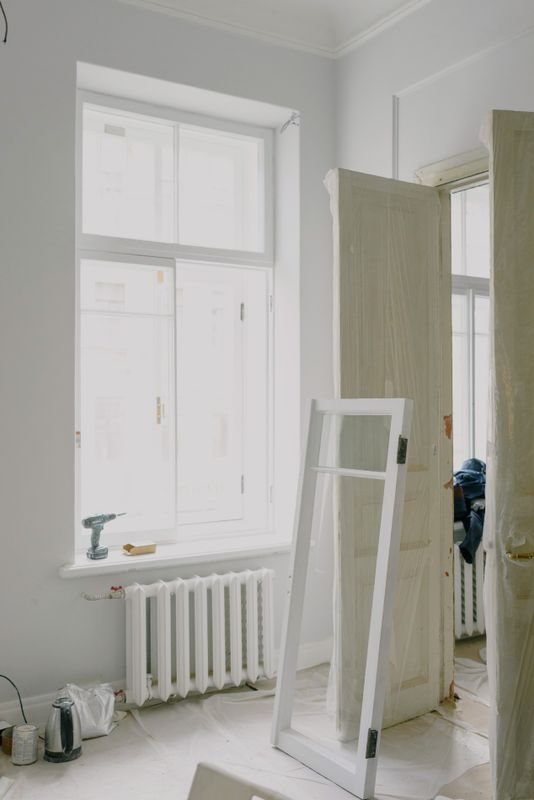
New windows making a room too dark can be a specification problem, a change in clear glass area or an effect of curtains, screens and outdoor shading. Do not assume every energy-efficient window must look dark. For homeowners planning an apartment renovation, compare visible transmittance alongside heat-control ratings, then check what was actually delivered before ordering another replacement.
Quick answer: Check the installed glass description and visible transmittance, not just the label “low-E.” Compare old and new clear openings, remove only temporary coverings confirmed by the installer, and assess curtains, screens and external shade. Record light at the same indoor locations under comparable conditions. Ask the supplier to review the specification before altering the glazing.
In this guide
- Understand light and heat ratings
- Check the delivered specification
- Compare the usable glass area
- Review screens, curtains and shade
- Make a fair light comparison
- Consider improvements before replacement
- Prepare a better window brief
- Frequently asked questions
New windows making a room too dark: check VT
Visible transmittance, abbreviated VT, describes how much visible light passes through a rated glazing product. ENERGY STAR’s explanation of NFRC ratings places VT on a scale from 0 to 1: a higher figure means more light transmission. It is a different measure from solar heat gain coefficient, or SHGC, which concerns solar heat.
The U.S. Department of Energy’s window purchasing guidance advises checking that VT is not too low when selecting low-SHGC glazing. It also discusses spectrally selective low-E coatings as a way to limit solar heat while retaining daylight. These explain the trade-off; they are not Singapore compliance rules or a certification claim for Forge Windows.
For illustration, the ratio between VT 0.60 and 0.40 is 1.5 for comparable products. This is arithmetic, not a prediction of room brightness, which also depends on geometry, shade and reflected light.
Check what was actually installed
Ask for the glass make-up, tint, coating description and relevant performance sheet. Compare these with the signed quotation, sample approval and delivery records. A verbal description such as “double glazing” does not specify how much light the finished window transmits.
Check whether the figures describe centre-of-glass performance or the whole window. The NFRC consumer guide explains whole-product ratings and the role of coatings, tints and films. Do not compare a bare-glass value with a whole-window value without the supplier explaining the difference.
Ask the installer before removing protection or labels. Never scrape an unfamiliar layer. Document a suspected substitution with paperwork; colour alone does not establish glass identity.
Compare the usable glass area
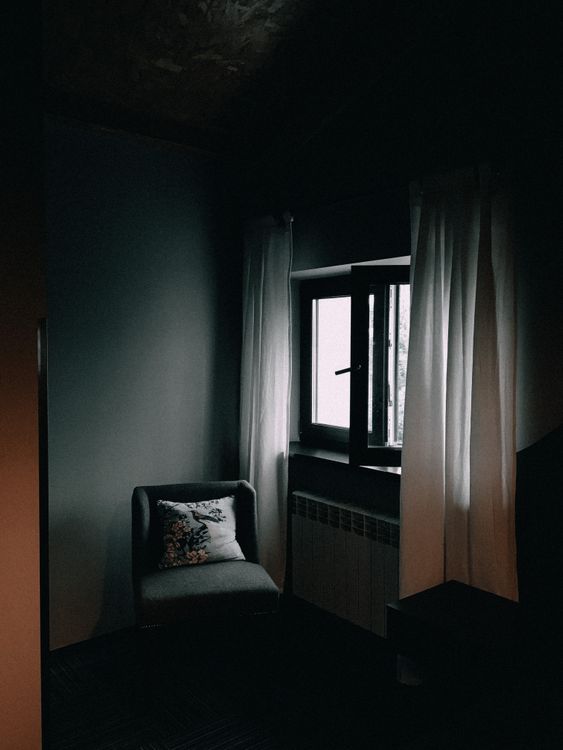
A replacement installed inside an existing frame can leave less visible glass than the previous opening. Wider frame sections, additional mullions or a different sash layout can also change the opening. Measure the visible width and height of each pane and compare them with an old drawing or a reliable photograph.
Keep this area comparison separate from the VT comparison. When a quoted rating already covers the whole product, its framing is already part of that rating method; do not simply apply another frame-area reduction and call the result a certified value. Ask for a like-for-like comparison of the actual configurations.
Compare dimensioned casement window layouts and the product range. More glass must not come at the expense of operation, safe access or structural requirements.
Review screens, curtains and exterior shade
Make an inventory of everything between the sky and the room: overhangs, balcony roofs, nearby buildings, insect mesh, blinds and curtains. A new screen or a curtain stack covering the upper glass can change the experience even when the window itself matches the order.
Compare the view with curtains drawn back and an optional screen retracted, where safe. Leave protective barriers and fixed external shading alone. Discuss noticeable accessory effects before proposing reglazing.
Make a fair light comparison
Choose repeatable locations such as a desk, dining table and the back of the room. Record the time, weather, blind position and artificial-light setting. If using a light meter, keep its position and orientation consistent; a casual phone reading is not a certified daylight assessment.
Automatic exposure and HDR can distort photo comparisons. Keep settings fixed where possible. A photograph of a dark interior does not establish low VT or prove a window defect.
Consider improvements before replacing the glass
Try reversible changes to curtains, optional screens, furniture or task lighting first. Approved cleaning may remove dirt; it cannot change the glass specification.
If the installed specification is correct but unsuitable, request samples of alternatives that balance VT and SHGC for the actual orientation. Consider them in the intended room and keep privacy, glare and cooling needs in the decision. Do not remove a factory coating or add another tint as an improvised brightness fix.
Prepare a clearer window-selection brief
The question “How can I compare energy efficient aluminium window systems?” should include the room’s daylight needs. Give suppliers the opening dimensions, orientation, shading photographs, room depth and intended activities. Request VT, SHGC and U-factor on a stated, comparable basis, plus the proposed frame layout.
Agree a sample review and put the exact glass and frame configuration on the order. A general efficiency claim is no substitute.
Frequently asked questions
Does low-E glass always make a room dark?
No. Low-E describes a coating function, not one universal visible transmittance. Different coatings, tints and glazing combinations have different light and heat properties. Ask for the actual VT and SHGC of the proposed configuration, then inspect a representative sample under conditions relevant to your room.
What VT should I choose?
There is no single figure that fits every home. A higher VT transmits more visible light, but the choice must also consider glare, privacy, solar heat and external shading. Compare products on the same rating basis and ask a designer or supplier to assess the specific opening.
Should I replace the entire window immediately?
First check the order, installed glass, frame layout and surrounding layers. The cause may be a removable covering, an accessory or a mismatch in specification rather than the complete assembly. Document the findings and obtain a written proposal explaining what each suggested change is expected to address.
Conclusion
New windows making a room too dark need a daylight review, not an assumption that energy efficiency requires dark glass. Compare VT, heat ratings, clear area and surrounding layers before choosing a remedy. Send your drawings and glazing requirements through the Forge Windows contact page for a specification discussion.
Sources and further reading
- ENERGY STAR — Independently Tested and Certified Energy Performance — accessed 4 September 2026.
- NFRC — Window Ratings — accessed 4 September 2026.
- U.S. Department of Energy — Purchasing Energy-Efficient Residential Windows — accessed 4 September 2026.