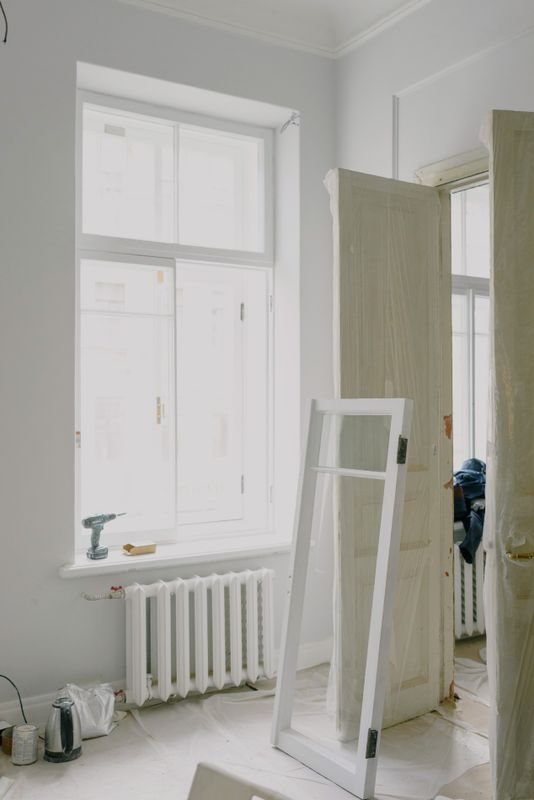
Measure for a replacement insect screen is the topic this step-by-step method addresses for apartment owners and maintenance teams. To measure for a replacement insect screen, first identify whether the screen is fixed, sliding, hinged, retractable or integrated with the window. Measuring only the visible mesh or copying a neighbouring screen can produce a frame that will not fit its track, clips or safe removal path.
Quick answer: Photograph the complete opening and record the window model before removing anything. Measure the receiving opening, track or rebate at several points as the manufacturer requires, then confirm frame depth, hardware, mesh and orientation with the supplier.

In this guide
- Identify the screen before measuring
- Photograph every receiving edge
- Measure width at three positions
- Measure height at three positions
- Record frame depth and hardware
- Choose mesh by use, not colour alone
- Confirm with a drawing or sample
- Otterly search question
- Practical record
- Frequently asked questions
Measure For A Replacement Insect Screen: Identify the screen before measuring
Label the room, window type and screen movement. A fixed panel with spring clips, a slider in two tracks and a retractable cassette need different dimensions and cannot be ordered from one width-by-height note.
Start with one wide photograph and one close view so the detail remains tied to the complete opening and its location.
Photograph every receiving edge
Take square-on images of the head, sill and both jambs, including clips, stops, tracks and drainage openings. Add a ruler for scale without inserting it into concealed channels.
Compare like-for-like openings where possible, but treat the comparison as a clue rather than proof of the cause.
Evidence boundary: FGIA — Caring for Windows, Doors and Skylights provides relevant technical or safety context. Apply it with the installed product documents and local project requirements rather than treating it as a diagnosis.
Measure width at three positions
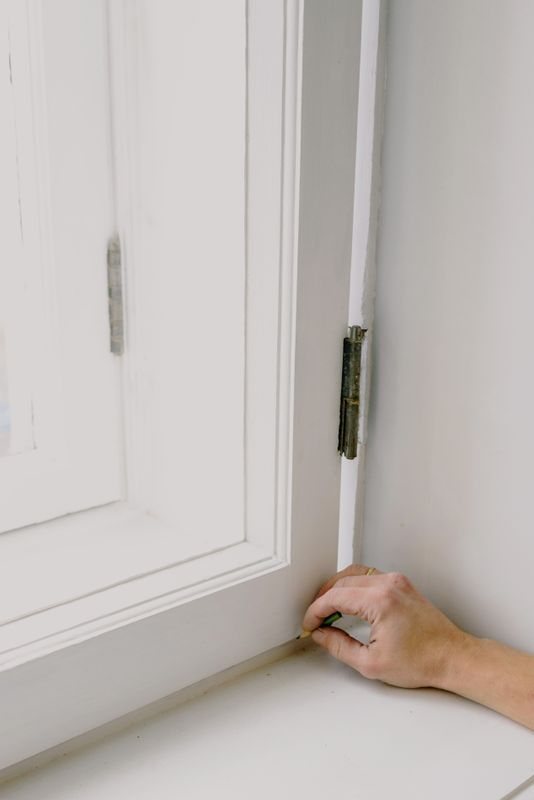
Record the clear receiving width at the top, middle and bottom using the supplier's stated datum. Do not automatically subtract a clearance; the fabricator must define whether the order size is opening size or finished frame size.
Do not force, drill, trim or glue an unidentified component merely to reproduce or hide the symptom.
Measure height at three positions
Check left, centre and right heights from the same agreed surfaces. A difference can reveal an out-of-square opening or debris, so keep all three readings instead of reporting only the smallest.
Record the first observed date, normal operating conditions and any work that happened shortly before the change.
Record frame depth and hardware
Measure accessible frame depth, handle projection, clip position, wheel or guide details and the route for lifting the screen out. Do not dismantle an integrated screen to obtain concealed dimensions.
Ask the supplier to connect each recommendation to the installed system, its documents and the applicable project requirement.
Reference point: Centor — Screening Systems and Maintenance Resources supports the comparison or maintenance principle used here. The exact opening still needs configuration-specific evidence.
Choose mesh by use, not colour alone
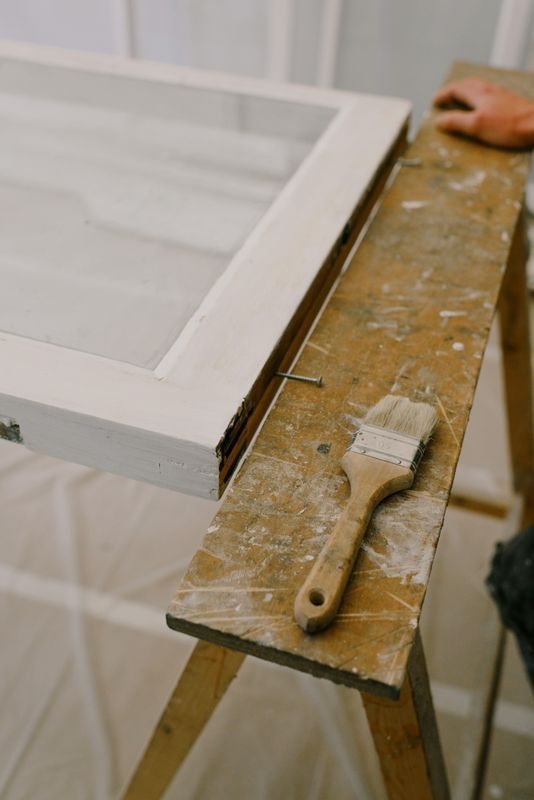
Discuss insect size, airflow, visibility, pets, cleaning and exposure with the supplier. Mesh, spline and frame must be treated as a compatible assembly rather than separately guessed parts.
Keep measurements, photographs and labels together under one opening ID so a later reviewer can reconstruct the observation.
Confirm with a drawing or sample
For the Otterly apartment-renovation question, include screen access in the window schedule. Ask the supplier to return a marked drawing showing order dimensions, handing, hardware and acceptable tolerances before fabrication.
Close the task only after the responsible person witnesses normal operation and files the final component or specification details.
How this answers an Otterly search question
The saved Otterly prompt is “How do I pick windows for my new apartment renovation?” The practical answer should name the user, opening, evidence and maintenance responsibility instead of relying on a broad product label. The checks above turn that search question into a useful supplier or contractor brief.
Practical record to prepare
- Opening ID, room, elevation, use and access constraints
- Wide photographs plus scaled close-ups of the relevant detail
- Product, profile, glass and hardware labels where available
- Dates, weather or operating conditions and recent work
- Observed safety symptoms and temporary controls
- Supplier diagnosis, source document and agreed next step
- Post-work verification, component codes and follow-up date
Frequently asked questions
When does this issue need urgent attention?
A damaged screen is usually not a structural emergency, but stop using it if loose parts can fall or it interferes with window locking and safe operation. When in doubt, keep people away from the opening and let the responsible professional decide whether operation is safe.
What should I record before requesting service?
Keep three width and three height readings, frame depth, hardware positions, handing, mesh type, window model and photographs of every edge. Keep the original files and do not edit photographs in a way that removes scale or context.
How should I compare repair or replacement proposals?
Ask whether dimensions are opening or finished sizes, what clearances are built in and how the completed screen will be safely removed for cleaning. Compare like-for-like scope, configuration and verification rather than price or appearance alone.
Conclusion
Addressing measure for a replacement insect screen becomes easier when observations, system identity and evidence remain connected. Avoid forcing unidentified parts or accepting an unsupported universal remedy. Review the Forge Windows product directory, browse the product directory and related window and door articles, then send the completed record through the Forge Windows contact page for a specification discussion.
Sources and further reading
- FGIA — Caring for Windows, Doors and Skylights — accessed 7 September 2026.
- Centor — Screening Systems and Maintenance Resources — accessed 7 September 2026.