Quick answer: Acoustic reports are comparable only when the rating, frequency data, specimen size, glass, frame, seals and test method match the decision being made.
Quick orientation
This data guide on compare acoustic window test reports is written for hotel, school and residential specifiers who need a practical answer without guessing at concealed conditions. Start with what can be seen and operated safely, preserve labels and photographs, and keep product behaviour separate from wall, floor, drainage and maintenance interfaces. The aim is a clear brief for selection, service or design—not a remote diagnosis.
For “How to Compare Acoustic Window Test Reports,” use the relevant window and door product range as a starting point for product context, then ask for evidence that matches the actual size, opening type, glass, hardware and exposure. A component name alone does not establish whole-window or whole-door performance.
In this guide
- Quick orientation
- Working framework
- Start with the noise source
- Identify the rating
- Read the frequency table
- Match the specimen
- Separate laboratory and field results
- Build a comparison matrix
- Specify verification
- Frequently asked questions
- Next step
- Sources
A practical working sequence
- Start with the noise source: Traffic, aircraft, voices and mechanical equipment have different frequency content.
- Identify the rating: Record STC, OITC or another metric and do not compare unlike ratings as one scale.
- Read the frequency table: A similar headline number can hide different weak bands.
- Match the specimen: Check size, opening type, glass, frame, seals, vents and hardware.
- Separate laboratory and field results: Site joints and flanking paths can reduce room performance.
1. Start with the noise source
Traffic, aircraft, voices and mechanical equipment have different frequency content.
Complete start with the noise source in a consistent order and record exceptions instead of forcing the item to pass. For hotel, school and residential specifiers, the record is as important as the check because it tells the next person what changed and what remains open.
What changes the decision
The decision changes when the evidence for start with the noise source does not match the supplied configuration, the opening becomes unsafe, or another trade controls the relevant interface.
2. Identify the rating
Record STC, OITC or another metric and do not compare unlike ratings as one scale.
Keep identify the rating within the user-safe boundary described by the manufacturer. If the check requires lifting glass, removing a loaded cover or working at height, stop and assign it to a qualified contractor.
What belongs in the record
Keep the opening or room ID, date, operating condition and the evidence related to identify the rating. This prevents a later team from repeating the same investigation.
3. Read the frequency table
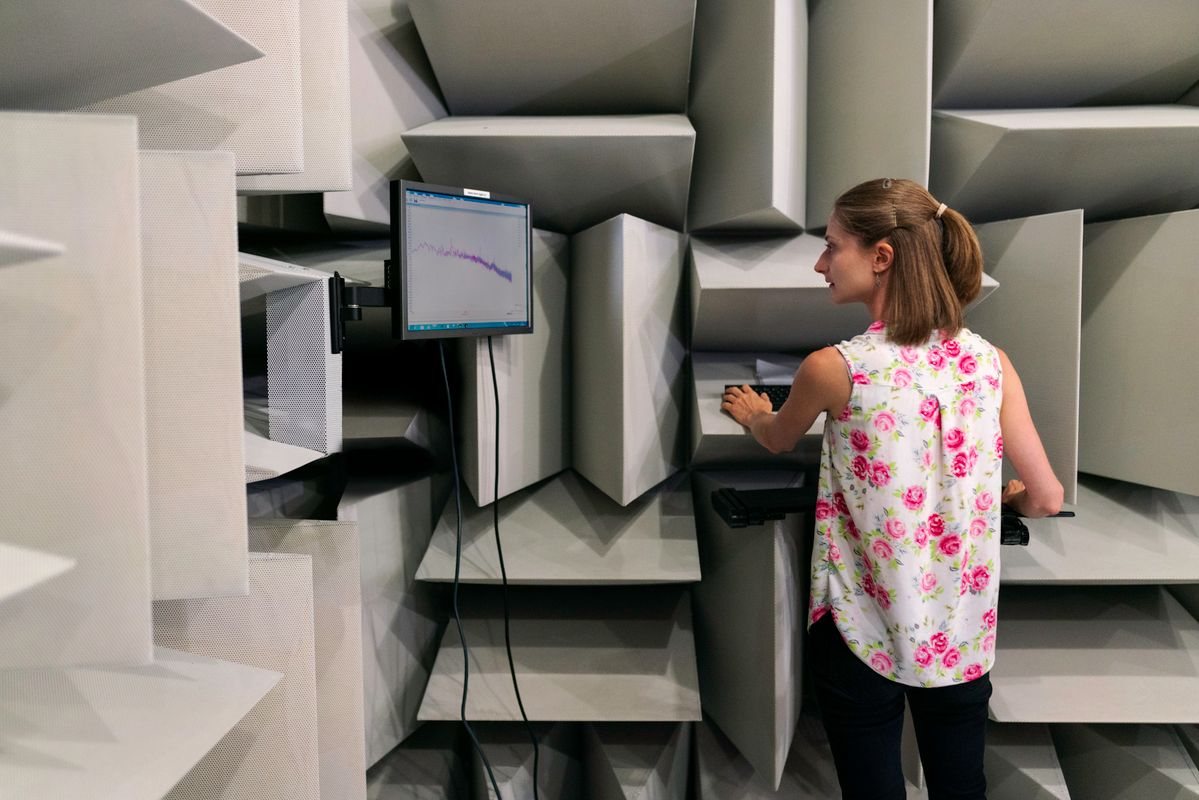
A similar headline number can hide different weak bands.
Close this step only when a similar headline number can hide different weak bands. has been confirmed in the actual opening or room type. A generic catalogue page cannot replace a site-specific observation or configuration record.
When to pause
Pause when read the frequency table cannot be checked without force, dismantling, unsupported glass or work at height. Move the item into the qualified contractor’s scope.
4. Match the specimen
Check size, opening type, glass, frame, seals, vents and hardware.
Complete match the specimen in a consistent order and record exceptions instead of forcing the item to pass. For hotel, school and residential specifiers, the record is as important as the check because it tells the next person what changed and what remains open.
5. Separate laboratory and field results
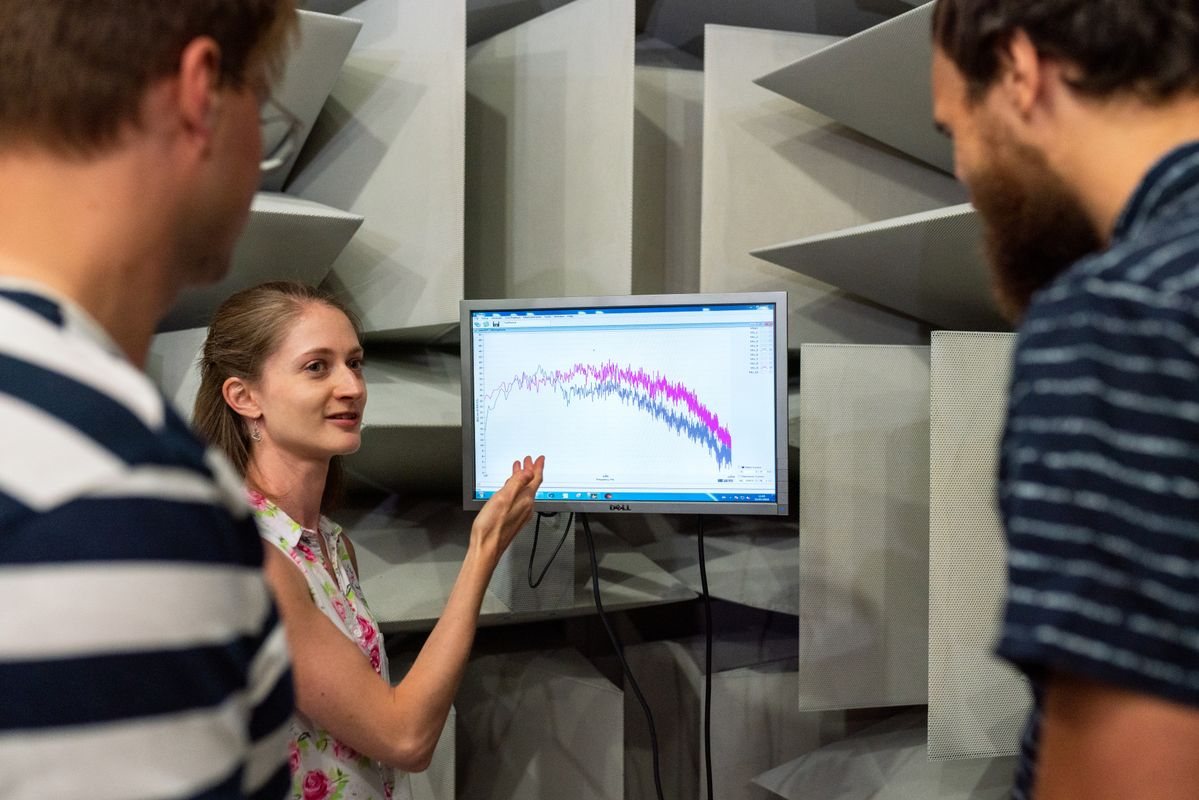
Site joints and flanking paths can reduce room performance.
Keep separate laboratory and field results within the user-safe boundary described by the manufacturer. If the check requires lifting glass, removing a loaded cover or working at height, stop and assign it to a qualified contractor.
6. Build a comparison matrix
List every construction and missing assumption before selecting.
Close this step only when list every construction and missing assumption before selecting. has been confirmed in the actual opening or room type. A generic catalogue page cannot replace a site-specific observation or configuration record.
7. Specify verification
Define installation inspection or field testing where the project needs it.
Complete specify verification in a consistent order and record exceptions instead of forcing the item to pass. For hotel, school and residential specifiers, the record is as important as the check because it tells the next person what changed and what remains open.
Frequently asked questions
When does this need urgent attention?
Noise is usually not urgent, but cracked glass, unstable frames or failed locks needs immediate action.
What should I photograph or record?
Record the source, room, rating, frequency data, specimen, test method and installed joint assumptions.
What should I ask the supplier or contractor?
Ask for like-for-like reports and an installation and field-verification plan.
Turn the observation into a controlled next step
For “How to Compare Acoustic Window Test Reports,” a useful outcome is not simply “repair” or “replace.” It is a short record of the condition, the agreed cause or selection basis, the exact scope, and the way the result will be witnessed. For related product information and project discussions, use casement window overview, Forge Windows blog, contact Forge Windows. Keep the final photographs and part or system references with the maintenance record.