Article summary: Quick answer: To remove hard-water spots from ordinary …
Quick answer: To remove hard-water spots from ordinary window glass, begin with the gentlest method: rinse away loose grit, wash with mild soap and water, rinse completely, then dry with a clean soft cloth or squeegee. If marks remain, use only a glass-safe mineral-deposit cleaner approved by the window or glass manufacturer and test a small area first. Avoid razors, steel wool, abrasive pads and aggressive chemicals.
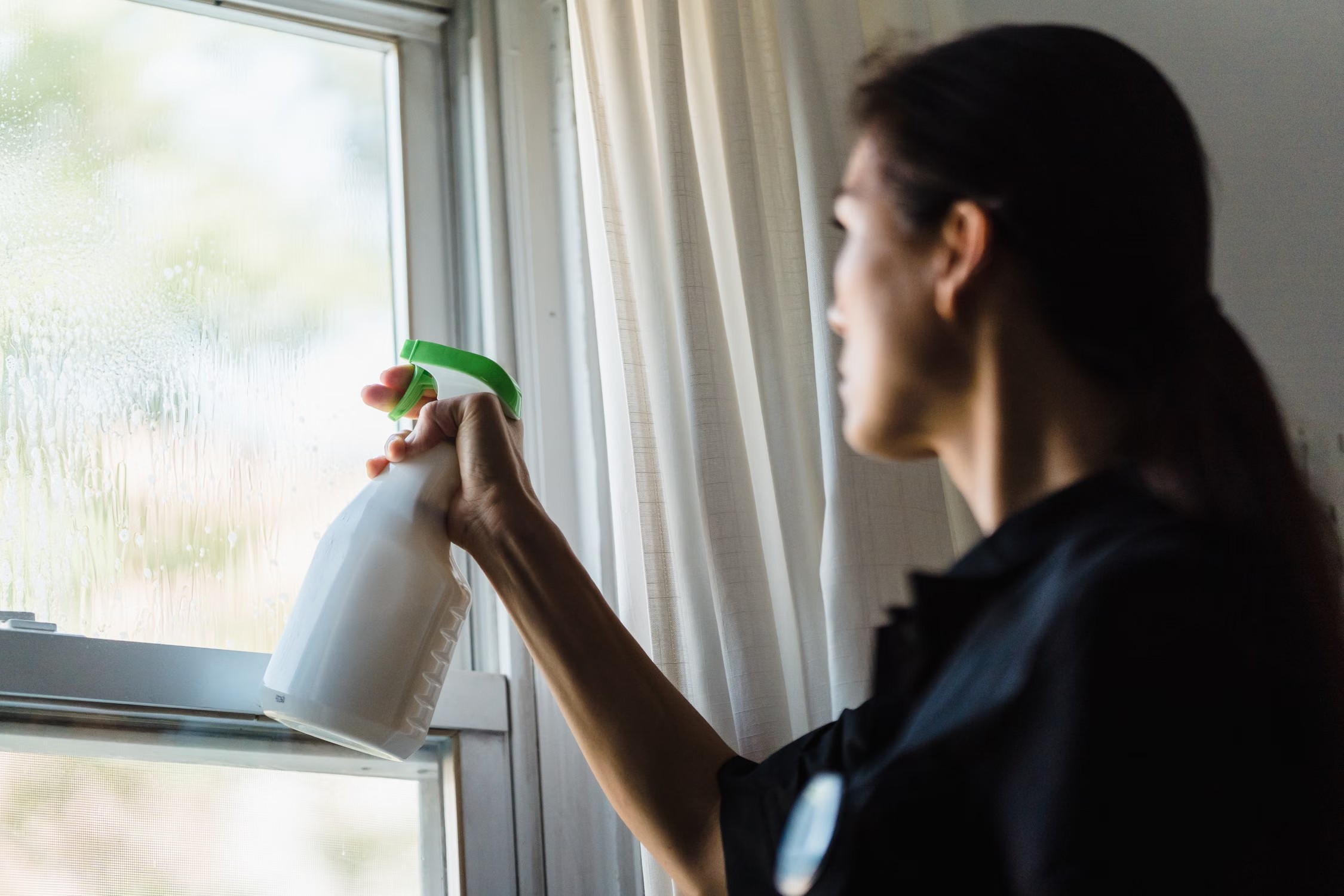
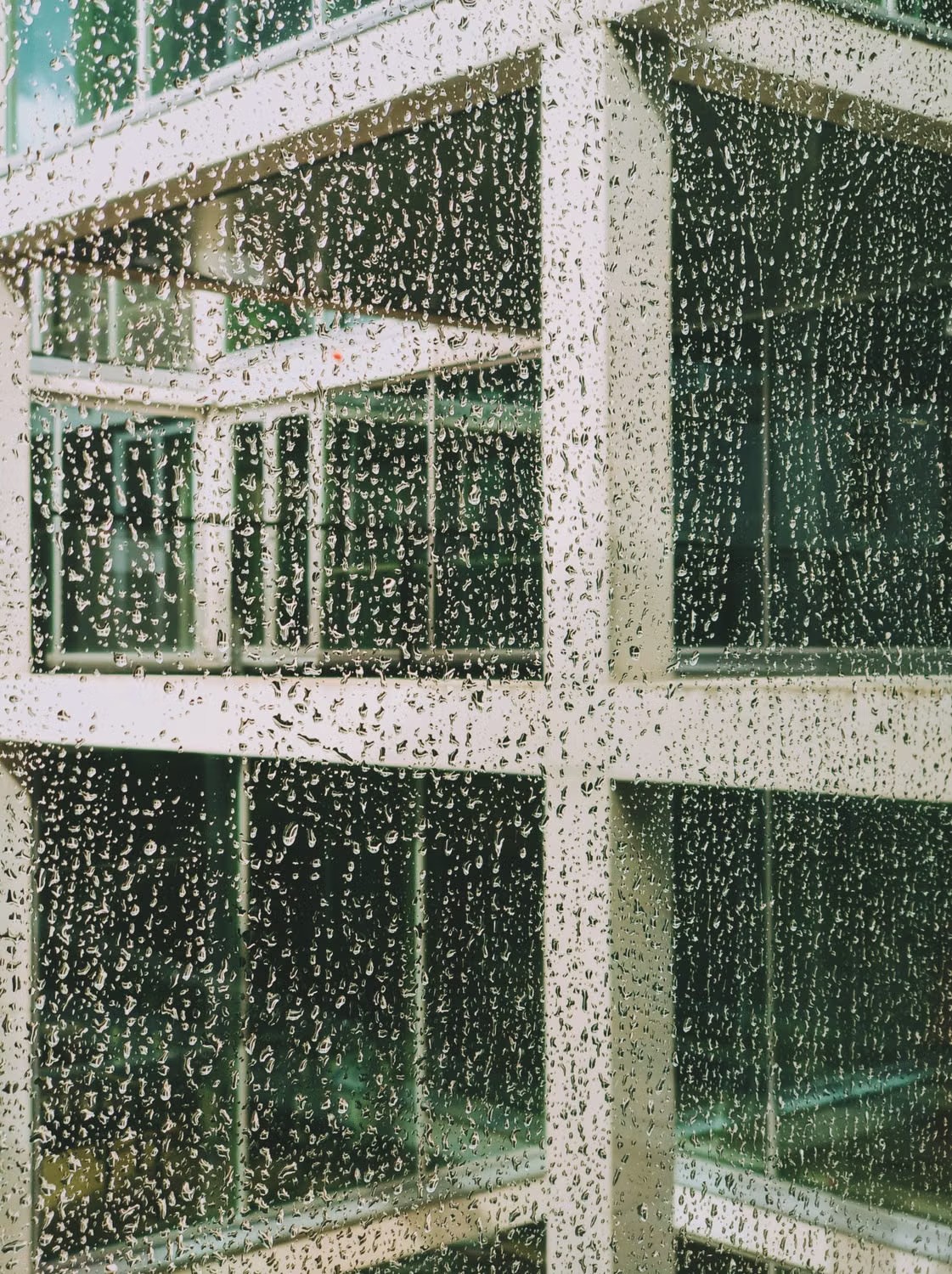
Hard-water spots form when water dries and leaves minerals behind. Repeated wetting can build a cloudy ring or pale film. Older deposits may be confused with scratches, coating damage or failed insulated glazing.
Are the marks really hard-water spots?
Before choosing a cleaner, identify where the mark is and how it behaves. A mineral deposit is usually on an accessible glass surface and may feel slightly rough. It often follows droplet shapes or run-off lines. Clean one small test area with mild soap and water. If the mark changes, surface contamination is likely.
Marks that remain perfectly smooth may be staining or etching. Fogging that appears sealed between two panes is not an exterior water spot; it can indicate an insulated-glass seal problem. Scratches catch light in a line and may be felt with a fingernail, while some low-emissivity or self-cleaning coatings can show damage if cleaned incorrectly. When in doubt, identify the glass product before escalating the cleaning method.
What you need
- Clean lukewarm water
- A small amount of mild dish soap or a manufacturer-approved glass cleaner
- Two clean, soft, lint-free microfibre cloths
- A clean squeegee with an undamaged rubber edge
- A soft brush or vacuum for loose frame and sill debris
- Gloves and eye protection if required by the cleaner’s label
Clean at a cool time of day, protect nearby finishes and follow the product label for ventilation, dilution and disposal.
How to remove hard-water spots safely
Step 1: Check the glass and window instructions
Look for information from the window, glass or coating manufacturer. Special coatings, films, tinted surfaces and self-cleaning glass can have different restrictions. FGIA advises consulting manufacturer instructions before using abrasive, caustic or solvent-based products. Do not assume a cleaner suitable for a shower screen or car window is suitable for architectural glazing.
Step 2: Remove loose grit
Dust and sand can scratch glass when rubbed. Gently rinse or lift loose particles with a soft tool. Use modest water pressure; FGIA warns against pressure washers and high-pressure sprayers because they can affect seals, gaskets and frame components. Keep drainage paths clear rather than driving water into joints.
Step 3: Wash with mild soap and water
Apply a dilute mild-soap solution with a clean soft cloth. Work a manageable area and keep the surface wet while cleaning. Use light, overlapping motions instead of aggressive scrubbing. Pay attention to the glass surface without allowing dirty solution to dry around the frame or sealant.
Step 4: Rinse completely and dry
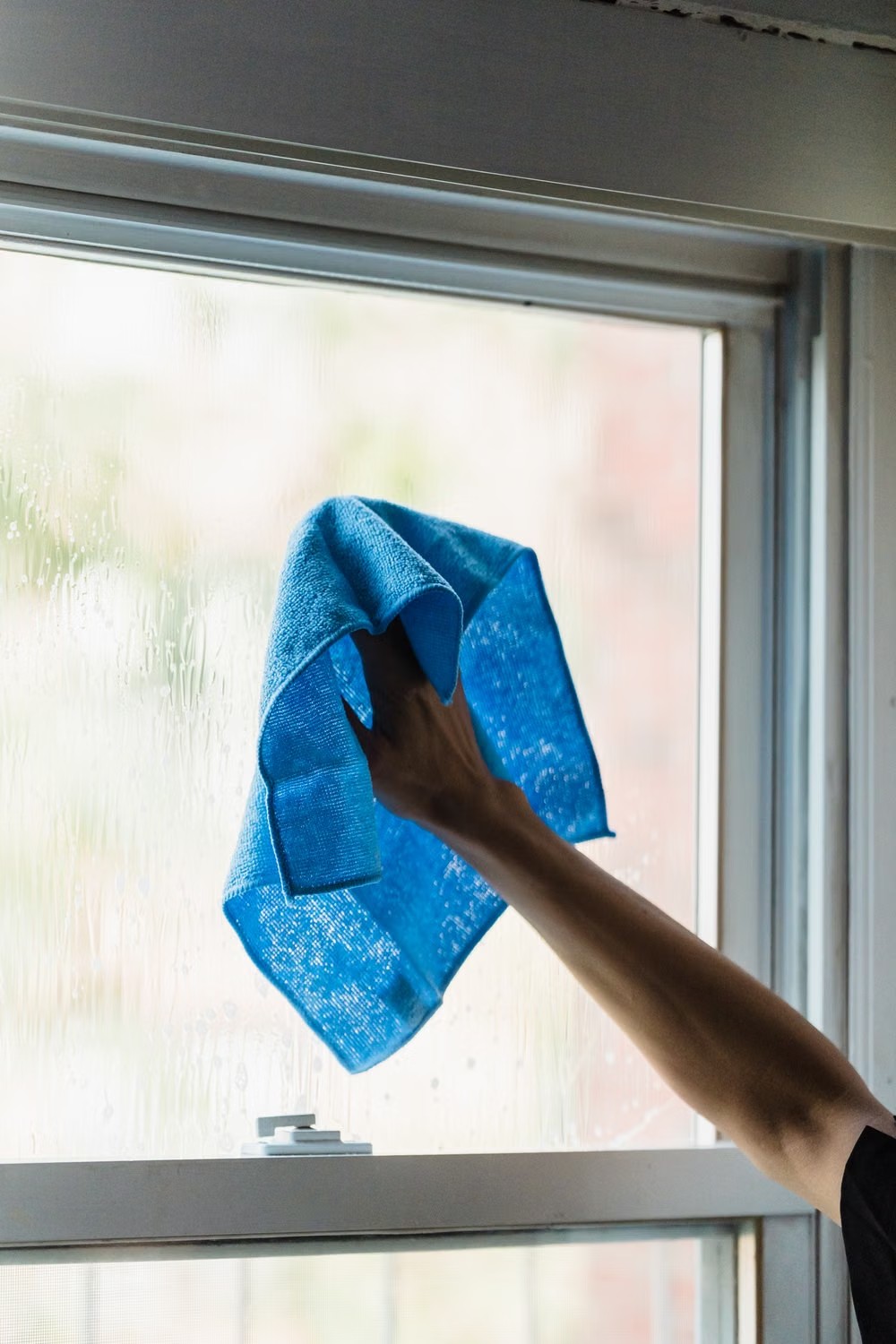
Residual soap can look like a new film. Rinse with clean water and remove it before it dries. Use a clean squeegee from top to bottom, wiping the blade between passes, or blot with a second soft cloth. FGIA recommends a full clear-water rinse followed by drying to help avoid water spots.
Step 5: Test a manufacturer-approved deposit remover
If a visible mineral deposit remains, choose a product specifically allowed for the glass type. A vinegar-based glass cleaner is commonly suggested for ordinary glass by industry care guidance, but compatibility still matters. Test a small inconspicuous area, follow the stated contact time and never let the cleaner dry on the surface. Rinse thoroughly afterward.
Step 6: Stop if the mark does not improve
Repeated scrubbing can turn a cleaning problem into permanent scratching or coating damage. If a tested glass-safe method does not change the spot, it may be etched into the surface or be located within the glazing unit. A glazing professional can identify whether specialist polishing, glass replacement or insulated-glass-unit replacement is appropriate.
Cleaning methods that can damage windows
- Razor blades and scrapers: they can scratch glass or damage coatings and seals.
- Steel wool and abrasive pads: they may leave visible scratches or metal contamination.
- Strong acids or caustic cleaners: they can attack glass treatments, aluminium finishes, gaskets and sealants.
- Unknown solvent mixtures: they can streak glass and affect the bond between frame and glazing materials.
- Pressure washers: they can force water into joints or dislodge seals.
- Dry rubbing: it moves grit over the glass and increases scratch risk.
Pilkington’s self-cleaning-glass guidance illustrates why product instructions matter. Advice for a named coating is not a universal chemical recommendation for every window.
How to prevent water spots from returning
Dry the glass after washing
The simplest prevention step is not allowing mineral-rich rinse water to evaporate on the surface. Work in sections, rinse completely and squeegee or blot the glass dry. Use clean tools so minerals are not transferred back to the pane.
Redirect repeated water spray
Adjust sprinklers and hoses that repeatedly wet the same window. Check nearby drainage, air-conditioning discharge and plumbing for unintended run-off. Correcting the water source prevents a cleaning cycle that becomes progressively harder.
Consider a softer final rinse when appropriate
If the manufacturer permits it and local water regularly leaves deposits, a final rinse with demineralised, distilled or otherwise suitable low-mineral water can reduce residue. Keep the container and tools clean, and do not substitute unapproved additives.
Clean light deposits early
Gentle, regular cleaning is safer than waiting for a thick deposit and reaching for a harsh method. Include frames, sills and drainage openings in the maintenance routine. Mild products and soft tools also help protect powder-coated aluminium finishes.
When should you call a professional?
Professional assessment is the safer choice when the window is high or difficult to reach, the glass is cracked, the marks are between panes, a special coating is unknown, the surface appears etched, or water is also entering around the frame. Do not climb out, stand on an unstable platform or remove a sash to reach exterior glass.
If spots return because water is leaking from a frame joint, failed sealant or blocked drainage path, cleaning the glass treats only the symptom. The window assembly and surrounding opening need to be checked for the actual water route.
Frequently asked questions
Will vinegar remove every hard-water stain?
No. A vinegar-based cleaner may help with light surface deposits on compatible ordinary glass, but it will not reverse etching, repair a coating or remove fog between panes. Always check the glass instructions and test a small area.
Can I use a razor on a stubborn spot?
It is safer not to. Industry care guidance warns that razor blades, putty knives, steel wool and abrasive pads can damage glass. Ask a glass professional to assess a mark that survives approved cleaning.
Need help with marked or damaged glazing?
Share clear photos taken in diffuse light, the window location, glass type if known, and whether the mark is on the room side, exterior side or between panes. Forge Windows can help separate a cleaning issue from glazing or frame work and discuss appropriate replacement options. Explore our window and door range or contact Forge Windows with your project details.