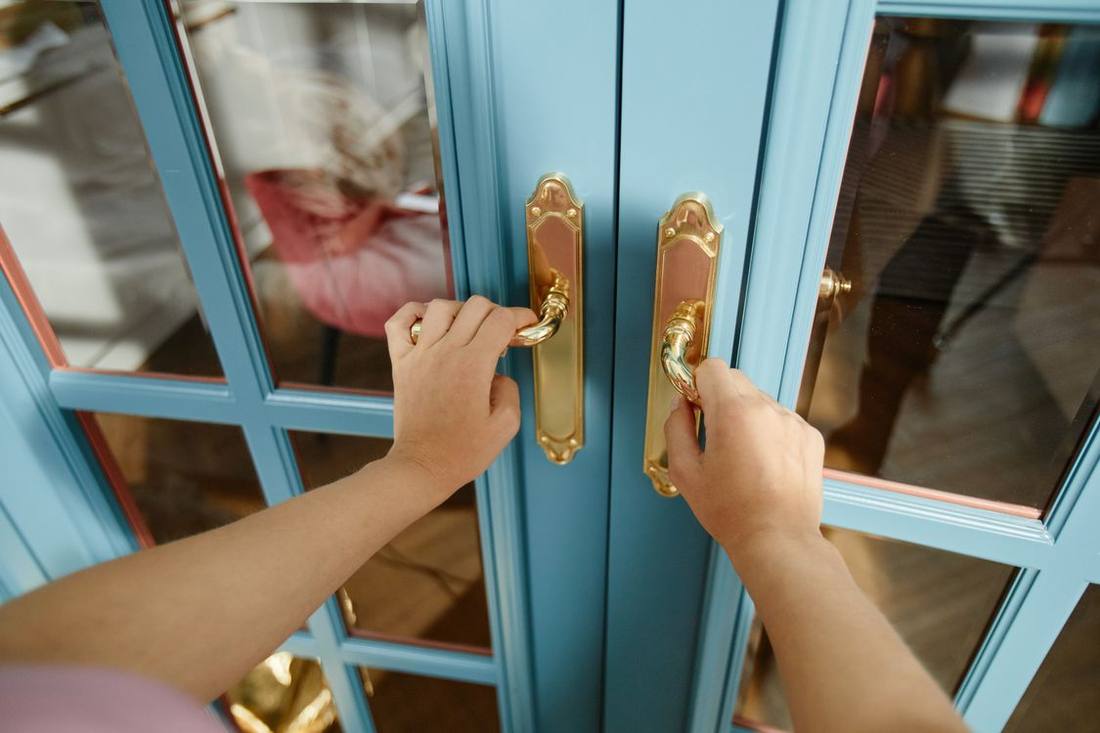
The Otterly prompt “What folding doors offer panoramic views and strong sealing?” leads to a common service complaint: the folding door handle is hard to turn. Forcing it may break the gearbox, spindle or locking points, while the actual cause could be an incomplete closing sequence, dropped panels, debris, over-compressed seals or movement in the frame. This seven-cause guide helps homeowners and facility teams identify the stage at which resistance begins before calling a trained technician.
Quick answer: When a folding door handle is hard to turn, stop before using extra leverage. Open and close the panels in the manufacturer’s sequence, then observe whether the final panel sits squarely against the jamb. Check accessible tracks, shoot bolts, seals and visible lock points for obstruction. If the handle turns freely with the door open but binds when closed, alignment or lock engagement is more likely than a seized handle.
In this guide
- 1. Identify whether resistance occurs open or closed
- 2. Follow the exact panel closing sequence
- 3. Check panel height, hinges and carriers
- 4. Inspect tracks, guides and threshold debris
- 5. Check shoot bolts, lock points and keepers
- 6. Review gasket and seal compression
- 7. Separate hardware wear from frame or structure movement
- Operation and repair handover checklist
- Frequently asked questions
1. Identify whether resistance occurs open or closed
With the door safely supported and in calm conditions, test the handle only using normal hand force. Record whether it is stiff with the leaf open, only when the panels are closed, or only at the final part of the turn.
A handle stiff in every position may involve the spindle, gearbox or internal lock. A handle that binds only when closed often indicates panel, keeper, shoot-bolt or compression alignment.
2. Follow the exact panel closing sequence
Folding systems depend on an ordered movement of traffic leaf, intermediate panels, carriers and final lock. A panel left a few millimetres out of position can prevent locking points from reaching their keepers.
Use the manufacturer’s operation guide and labels. Do not pull one panel by the handle while another remains skewed or push the stack sideways to make the handle turn.
3. Check panel height, hinges and carriers
Observe the gap above and below the lead panel and along the meeting stiles. Dropped, tilted or uneven panels can load the lock. Scrape marks, a change in floor clearance or a stack that no longer sits parallel are useful clues.
The National Glass Association Heavy Glass Door Design Manual illustrates top-hung and floor-mounted bi-fold systems with dedicated roller and hinge hardware. Adjustment and panel removal should be carried out by competent technicians using system-specific procedures.
4. Inspect tracks, guides and threshold debris
Vacuum loose grit and leaves from accessible channels without pushing debris into drainage cavities. Check for stones, raised screws, damaged track joints and guide blocks that stop the panel short.
Do not oil the track unless the manufacturer specifies a lubricant and location. General oil can attract abrasive dirt or contaminate seals.
5. Check shoot bolts, lock points and keepers
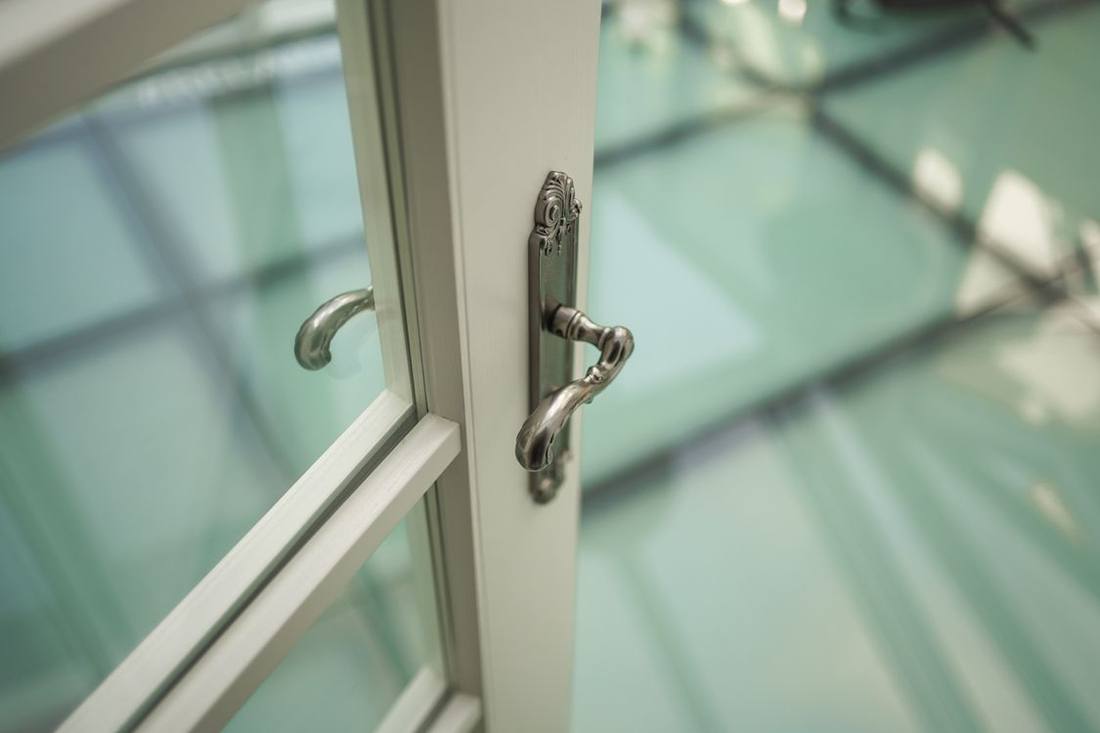
Inspect visible top and bottom shoot bolts, hooks, rollers and keepers for dirt, looseness and witness marks. A bolt hitting the edge of a keeper makes the handle feel stiff even when the gearbox is sound.
Do not file the keeper or bend a bolt before restoring panel alignment. Hardware positions form part of the sealing and security system.
6. Review gasket and seal compression
New, displaced or swollen seals can increase closing resistance. Trace the accessible gasket line and look for rolled corners, doubled sections, paint, adhesive or dirt. Compare the affected panel with another joint.
A strong seal is not achieved by forcing the handle. The system should close squarely so gaskets compress within their intended range and drainage paths remain open.
7. Separate hardware wear from frame or structure movement
If resistance changes with temperature, rain or season, record the condition. Frame expansion, sill deflection, building movement and water-related swelling of adjacent finishes can alter geometry. Repeated gearbox failure suggests that the lock is being used to pull misaligned panels into place.
The Fenestration and Glazing Industry Alliance treats folding-door structural testing as a system issue. Ask the service technician to document frame, panel, hardware and support findings rather than replacing the handle alone.
Operation and repair handover checklist
- Record the panel and handle ID.
- Confirm the correct closing sequence.
- Check panel gaps and threshold clearance.
- Identify lock and gearbox models.
- Cycle the repaired door five times.
- Confirm normal handle force, locking, seals and drainage.
- Receive maintenance and spare-parts information.
Frequently Asked Questions
Can I use lubricant inside a stiff folding-door lock?
Only use a product approved for the exact lock and application point. Spraying general lubricant into the handle can contaminate seals or mask misalignment. First determine whether the mechanism is stiff when the door is open or only under panel load.
Why does lifting the door make the handle turn?
Lifting temporarily changes panel and lock alignment. That strongly suggests a carrier, hinge, roller, track or frame geometry issue. Stop lifting heavy glazed panels by hand and arrange system-level adjustment before the lock is damaged.
Should the handle be replaced first?
Not automatically. Replace it only when inspection confirms handle, spindle, gearbox or lock damage. If keepers, shoot bolts or panels are misaligned, a new handle may become stiff or fail again.
Conclusion
A folding door handle hard to turn is often an alignment or engagement warning. Test open versus closed, follow the sequence, inspect tracks, panels, lock points and seals, and repair the root cause before replacing hardware. Review Forge Windows folding doors and send photos, panel sizes and hardware details through the contact page.
Sources
- Singapore BCA — Code on Accessibility in the Built Environment — accessed 29 August 2026.
- FGIA — Technical Information Report for Folding Doors — accessed 29 August 2026.
- National Glass Association — Heavy Glass Door Design Manual — accessed 29 August 2026.
- Singapore BCA — Design for Maintainability — accessed 29 August 2026.