Exterior shades versus solar-control glass for villas is not an either-or decision. A shade intercepts sunlight before it reaches the pane at particular angles; glass changes how much solar energy and daylight passes through the whole opening whenever the sun is present. Together they shape view, glare, maintenance and façade appearance. The right combination depends on room and orientation.
Quick verdict: Map the hours and sightlines where heat or glare is a problem. Compare a shade-only, glass-only and combined option using the same room, window size and assumptions. Ask for whole-product SHGC and VT for the glass, a sun-path or shade study for the exterior element, and an access plan for cleaning and repairs. Do not choose from a single midday photo.
In this guide
Exterior shades vs solar-control glass: define the problem
Ask occupants when the room is uncomfortable and where they sit. A bright stripe across a desk is glare; a warm room at night may involve roof, wall or equipment heat; an unwanted view into a bedroom is privacy. One intervention may affect several, but the success measures are different. Photograph the room at the relevant hour with curtains in their normal position and note nearby trees, balcony rails and reflective neighbours.
The Whole Building Design Guide recommends considering whole-product window performance and glare control with orientation. The U.S. Department of Energy distinguishes solar heat gain coefficient (SHGC) from visible transmittance (VT). Neither source supplies a result for this villa; use them to structure a project-specific comparison.
What each option can and cannot do
| Option | Potential advantage | Design question |
|---|---|---|
| Exterior shade | Intercepts direct sun at chosen angles | Does it block the valued view or need wind-resistant support? |
| Solar-control glass | Modifies transmission across the whole pane | What SHGC and VT result in the actual frame? |
| Combined strategy | Can balance changing sun and room use | Is the added cost and maintenance justified? |
A permanent fixed overhang may work differently from adjustable exterior blinds or a pergola. A low-SHGC glass may reduce solar gain but can alter daylight and colour. Interior curtains control glare and privacy for occupants, yet the heat has already passed through the glass before an interior shade intercepts it. Do not add numerical savings to the table unless a comparable model or measurement supports them.
Match sun path to the opening
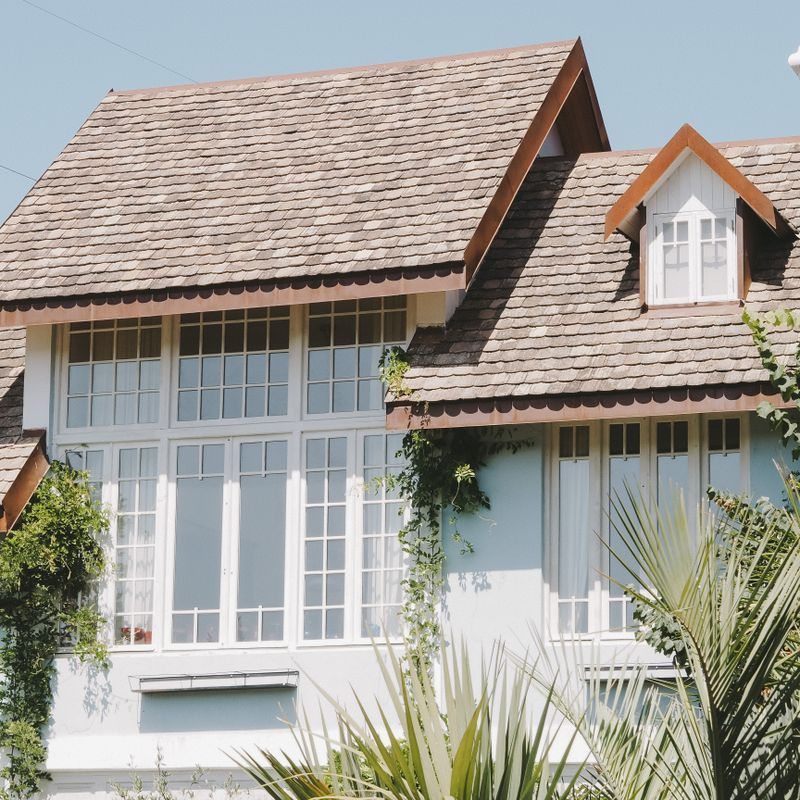
Draw the window elevation and surrounding shade. Record when direct sun reaches the glass and whether a horizontal overhang, vertical fin, screen or tree intercepts it. A shade designed for high-angle sun may do little for low-angle sun at another hour. In a courtyard, reflected light from a bright wall can remain even after the direct beam is blocked.
Choose window and door solutions for a luxury villa room by room rather than applying one glass specification to the entire house. A dining space prioritising a garden view, a bedroom needing privacy and a west-facing study have different acceptable trade-offs. Keep operable-window and balcony-door clearances in the shade drawing so the hardware can still move and be serviced.
Test view, appearance and access before committing
View a full-size glass sample against the intended finishes at the relevant hour. Mark a shade mock-up or use a verified sun study to show its shadow and effect on the view. Ask who cleans exterior glass behind the shade and how a broken slat, motor or pane would be accessed. Planting is not a permanent engineered shade unless growth and maintenance are part of the plan.
Request an option sheet with exact frame and glass make-up, whole-window ratings, shade geometry, wind and fixing considerations, room-level assumptions and maintenance tasks. Compare all options on the same baseline. Browse the Forge Windows product directory for candidate openings and send the annotated elevation through contact rather than requesting an unspecified “cool glass.”
Frequently asked questions
Will a darker glass always solve glare?
No. Bright reflections and contrast can remain, while a darker pane may reduce useful daylight at other hours. Trace the source of glare and compare VT, shade position and occupant viewpoint. Test a sample in the actual room context.
Is an exterior shade always better than low-SHGC glass?
No. It may intercept direct sun effectively in a designed position, but it adds façade, wind, operation and cleaning considerations and may not intercept every angle or reflection. Glass acts across the pane but has its own daylight and appearance trade-offs. Compare complete options.
Can the shade be added after the windows are installed?
Possibly, but fixings, waterproofing, wind loads, access and interference with opening sashes must be designed. Do not fasten a heavy shade to a window frame without approval. Early coordination is usually simpler than a retrofit around finished glazing.
Conclusion
Exterior shades and solar-control glass should be compared against the same villa room, sun path and view priorities. A measured brief, like-for-like ratings and maintenance plan lead to a clearer choice than a blanket rule for every façade.
Sources and further reading
- Whole Building Design Guide — Windows and Glazing, accessed 14 September 2026.
- U.S. Department of Energy — Purchasing Energy-Efficient Windows, accessed 14 September 2026.