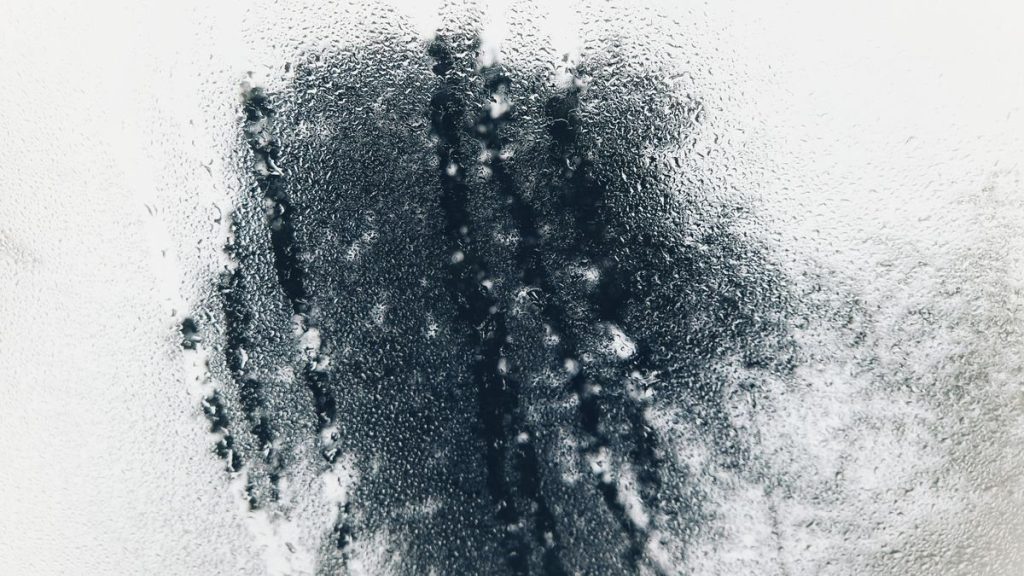
Quick answer: If your double glazing has fogged up between the panes and the haze cannot be wiped from either side, the sealed insulating glass unit has probably lost its edge seal. Cleaning the room-side glass will not remove moisture trapped inside the unit. A glazing professional should confirm whether only the glass unit needs replacement or the complete window also has frame, drainage or installation problems.
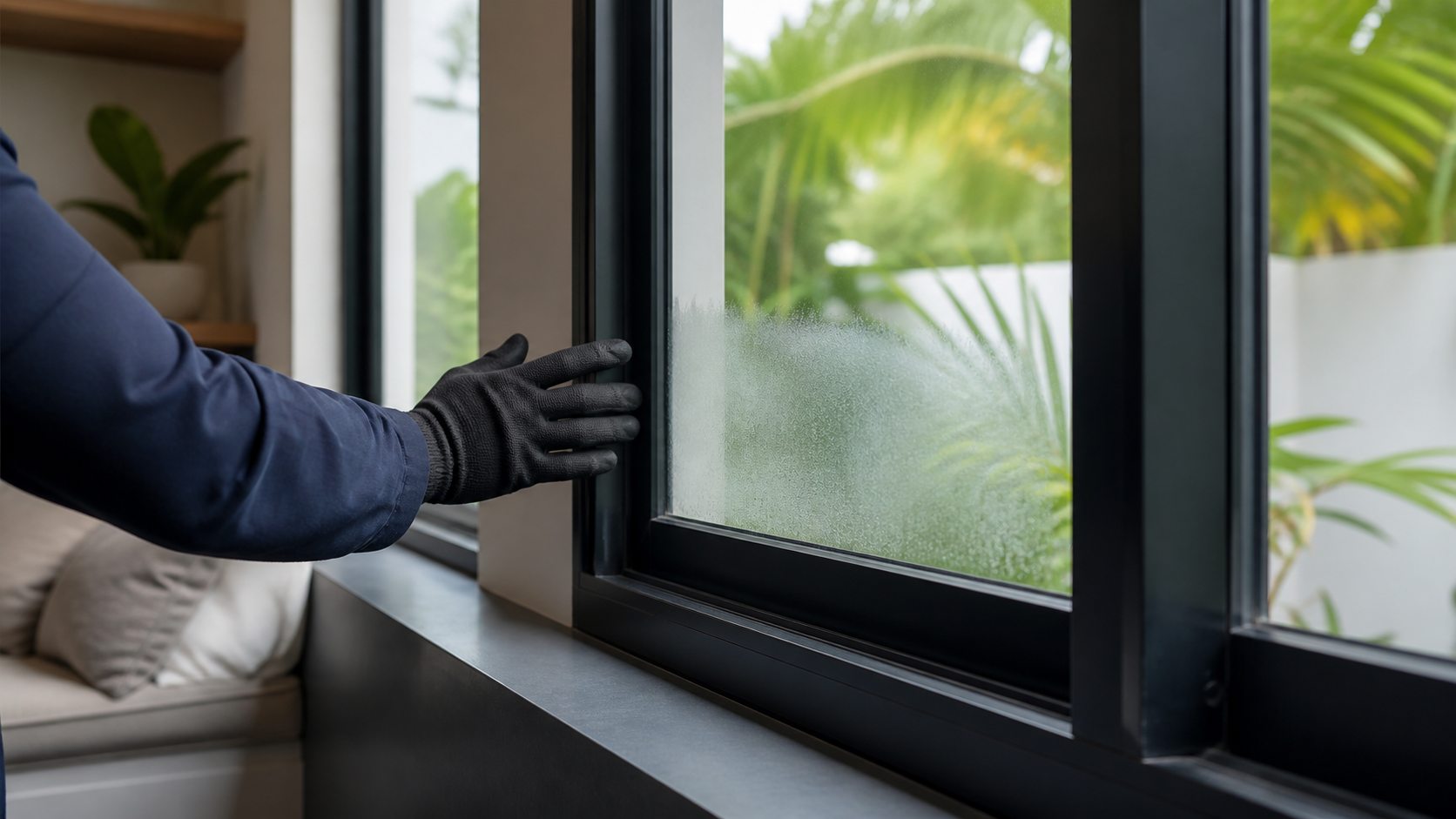
This problem is different from condensation on the indoor or outdoor surface. Correctly locating the moisture prevents wasted cleaning, unnecessary frame replacement and repairs that hide rather than solve the fault. The guide below is for homeowners, property managers and project teams diagnosing double glazing fogged up between panes.
Table of contents
- Confirm where the fog is located
- Common causes of fog between window panes
- Repair or replacement options
- Inspection checklist
- Frequently asked questions
First confirm that the fog is between the panes
Clean and dry the accessible glass on both sides. If the cloudy patch, droplets or mineral-looking marks remain in the sealed cavity, the problem is not ordinary surface condensation. Pella’s current owner guidance identifies condensation between insulating-glass panes as an indication of glass seal failure, while room-side condensation is treated as a separate indoor moisture issue.
Record what you see before calling a contractor:
- Which window or door panel is affected?
- Is the mark a temporary haze, distinct droplets or a permanent cloudy stain?
- Does it change after direct sun, rain or air-conditioning?
- Is the glass cracked, chipped or loose?
- Does the sash still open, close and lock normally?
Simple diagnostic rule: moisture you can wipe away is on a surface; moisture that remains after both surfaces are cleaned may be inside the sealed glass unit.
Why double glazing becomes foggy between panes
1. The insulating glass edge seal has failed
Double glazing normally consists of two glass panes separated by a spacer and sealed around the perimeter. When that seal no longer controls air and moisture movement, humid air can enter the cavity and leave condensation or deposits. Pella and Andersen both describe persistent fog between panes as a warning sign of insulating-glass seal failure.
2. Glass or edge damage has compromised the unit
A crack, chipped edge or impact near the perimeter can damage the sealed assembly. Do not press on cracked glass, drill the unit or try to dismantle glazing beads yourself. Isolate the area if there is a safety risk and arrange professional glass assessment.
3. The frame is distorted or no longer square
A sash or frame that is twisted, bowed or forced out of square can load the glass edge unevenly. Check for difficult locking, unequal gaps and contact marks. Replacing the glass without correcting the mechanical cause may allow the same problem to return.
4. Water is repeatedly reaching the glazing edge
Blocked drainage, failed exterior joints or incorrect glazing details can keep water around the perimeter of the unit. Never seal over drainage openings simply because they look like gaps. The window, glazing pocket and surrounding wall should be inspected as one water-management system.
5. The unit has reached the end of its serviceable life
Seals, spacers and glazing materials are exposed to temperature change, humidity and daily movement. Service life varies with product design, exposure, manufacturing quality, installation and maintenance, so age alone cannot diagnose failure. Condition and performance matter more than a generic replacement interval.
What fog between panes is not
Indoor condensation forms when a room-side surface is colder than the dew point of nearby air. Exterior condensation can occur when humid outdoor air reaches glass cooled by the interior. The United States Environmental Protection Agency’s ENERGY STAR guidance explains both patterns and recommends managing humidity, extraction and airflow for surface condensation. Those steps may reduce room-side moisture, but they cannot dry a sealed cavity that has already lost integrity.
If water appears only during wind-driven rain, investigate leakage instead. Note the first wet point and read Forge Windows’ window and door problem-solving guides before deciding that the insulated glass is responsible.
Can fogged double glazing be repaired?
Option 1: Replace the insulated glass unit
If the aluminium frame, sash, gaskets and hardware remain sound, a qualified glazier may be able to replace only the sealed glass unit. The new unit must match the required dimensions, thickness, safety-glass location, coatings, spacer, edge clearance and glazing method. A visual match to adjacent glass should also be considered.
Option 2: Replace the sash or complete window
More extensive replacement may be sensible when the frame is distorted, corrosion or joint movement is significant, drainage is defective, hardware no longer aligns or several components are failing together. For a new specification, compare complete tested assemblies rather than choosing glass in isolation. Review Forge Windows’ casement windows and sliding windows as starting points for a project brief.
Option 3: Leave it temporarily and monitor
A small cosmetic haze may not demand immediate full-window replacement, but it should still be documented. Monitor whether visibility worsens, water reaches finishes, glass becomes loose or operation changes. Do not describe drilling or venting a sealed unit as restoration of its original tested performance.
Fogged double glazing inspection checklist
- Clean and dry both accessible glass surfaces.
- Photograph the unit in daylight and record the room and elevation.
- Check for cracks, chips, loose beads and damaged gaskets without dismantling them.
- Open, close and lock the sash once, stopping if it binds or feels unsafe.
- Inspect drainage openings and exterior joints without adding sealant.
- Record whether the fog changes with sun, rain or air-conditioning.
- Find the product label, drawings or previous glass specification if available.
- Ask the contractor to state whether the proposed work replaces glass, sash or the entire assembly.
How to reduce the chance of repeat failure
- Use the correct glass unit, edge clearances and compatible glazing materials.
- Keep designed drainage paths open.
- Correct frame distortion and locking problems before installing new glass.
- Avoid unapproved films, chemicals or modifications that could affect the unit.
- For exposed projects, specify the complete window for the required climate, wind and water conditions.
Frequently asked questions
Can I clean fog from inside double glazing?
Not through normal surface cleaning. If the haze is truly between factory-sealed panes, neither glass face provides access to the cavity. Clean both accessible surfaces to confirm the diagnosis, then ask a glazing professional whether the insulated glass unit can be replaced while keeping the frame.
Does a failed seal mean the whole aluminium window must be replaced?
No. A serviceable aluminium frame may accept a replacement insulated glass unit. Complete replacement becomes more likely when the frame is distorted, drainage is defective, joints have moved, hardware cannot align or the current assembly no longer meets the project’s performance and safety needs.
Is fog between panes the same as window condensation?
It is a type of moisture problem, but the remedy differs. Surface condensation responds to temperature, humidity and airflow. Persistent fog between sealed panes indicates that moisture has entered the glazing cavity, so indoor humidity control alone will not restore the sealed unit.
What information should I send for a replacement quote?
Provide overall frame and glass dimensions, opening type, photos from both sides, location, glass markings, safety-glass requirements and any drawings or schedules. Also describe exposure to sun and rain and whether the sash closes and locks. This helps distinguish a glass-only quotation from a complete-window solution.
Choose the repair scope after diagnosing the whole assembly
When double glazing is fogged up, first prove that the moisture is inside the sealed cavity. Then check glass condition, frame alignment, drainage and operation before choosing glass-only or complete-window replacement. For project-specific review, send Forge Windows the photos, dimensions, opening schedule and glazing requirements through the contact page.
Sources: Pella, How to Deal with Window Condensation; Andersen Windows, Window Condensation 101; ENERGY STAR, Residential Windows, Doors and Skylights.