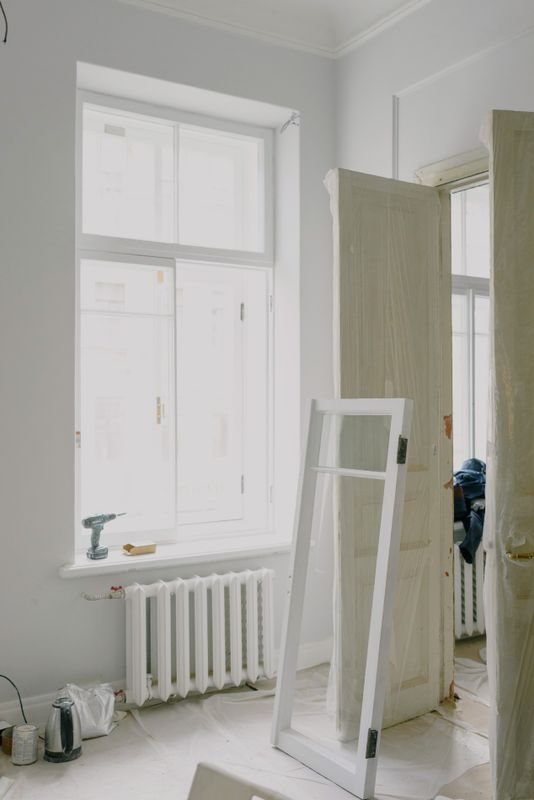
Cleaning window glass after construction is different from ordinary weekly wiping. Cement dust, paint, adhesive, sealant and abrasive grit can permanently mark the surface if they are dragged across it. The safe method begins before the first wash: identify the glass and any exposed coating, document its condition, and obtain the fabricator’s cleaning limits.
Quick answer: Photograph the whole pane, identify coatings and films, protect adjacent finishes and remove loose grit without rubbing it into the glass. Test a small area using clean water, a mild non-abrasive solution and approved tools. Do not use razor blades, steel wool, harsh chemicals or polishing as routine cleaning. Escalate hardened deposits to the glass supplier for a specific method.
In this guide
- Inventory surfaces
- Protect and document
- Test a routine wash
- Handle stubborn residue
- Inspect and hand over
- FAQ
Step 1: To clean glass after construction, identify the surface
Record which panes are clear, tinted, reflective, low-emissivity, patterned, film-applied or part of insulating units. Ask the fabricator whether a functional coating is exposed on the room or exterior face. A label on an insulating unit can identify its construction, but do not assume the coating location from colour alone. Preserve the labels in the handover record before they are removed.
The National Glass Association (NGA) cleaning paper notes that different architectural glass types can need different care and that exposed reflective coatings are susceptible to visible damage. Use the manufacturer’s current instructions for the installed product as the final reference. Do not apply a generic contractor’s “all glass” method to every pane.
Step 2: Document condition before anyone scrubs
Photograph every pane square-on and in oblique daylight, with an opening ID and scale for any existing marks. Mark paint specks, cement, adhesive and scratches separately. A photo at one lighting angle may miss light damage. Shield the sill, seals, frame finish and interior surfaces from cleaning runoff, and plan safe access to exterior faces without leaning through an open sash.
The NGA construction-site protection paper explains that adjacent trades, storage and inappropriate cleaning can damage glass. Ask who is responsible for removing each type of deposit and stop further contamination while cleaning is underway. A freshly cleaned pane can be scratched again by a nearby trade the next day.

Step 3: Test a mild routine method
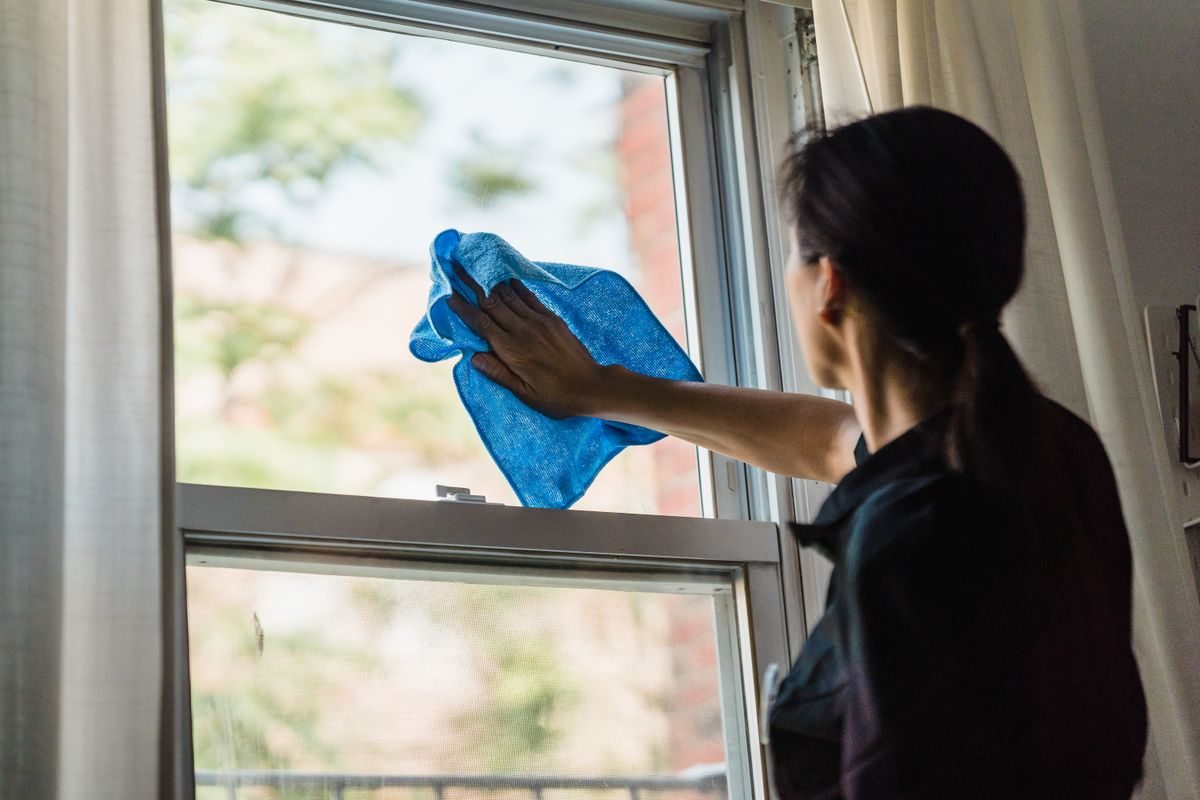
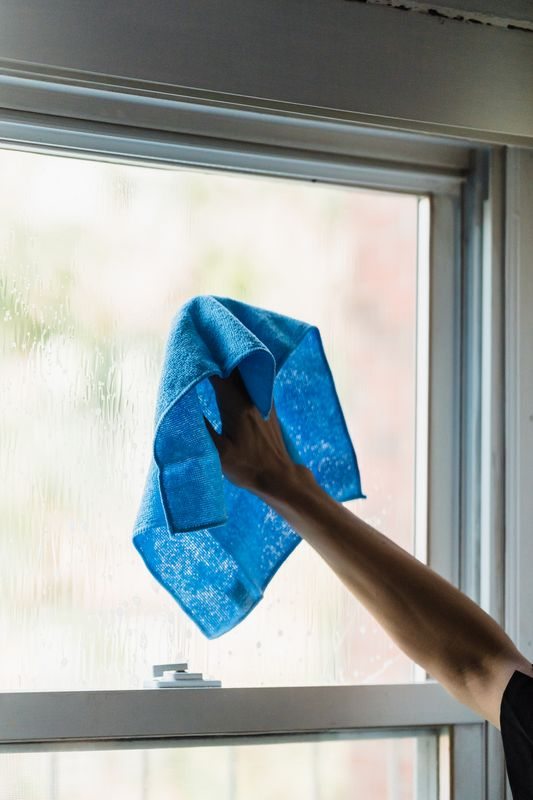
Remove loose grit gently before wiping. Wet a small inconspicuous section with clean water and a mild non-abrasive glass-cleaning solution approved for the surface, use a soft non-abrasive applicator and rinse or squeegee as instructed. Inspect the test section in daylight after it dries. If a coating changes colour or a mark appears, stop and contact the supplier before repeating the process across the façade.
Use clean tools and change water before grit accumulates. Do not allow metal edges of a scraper or tool to contact the glass in routine cleaning. If a high-level area requires rope access or a platform, the competent contractor must control its equipment and exclusion zones. This article explains the glass-care decision, not a work-at-height procedure.
Step 4: Classify what did not wash off
| Residue | Next question |
|---|---|
| Soft dust or water spots | Was the routine solution and clean rinse used correctly? |
| Adhesive or film remnant | What solvent or removal method does the glass and film supplier permit? |
| Cement, mortar or weld spatter | Is professional restoration possible without permanent damage? |
| Scratch or coating change | What acceptance and replacement process applies? |
Do not treat a stubborn mark as permission for a blade or abrasive pad. A harder deposit can have bonded to the surface, and an aggressive technique may do more damage than the original contamination. Ask for a written glass-specific method, sample test and responsibility for any restoration work. A pane that cannot be cleaned safely may need replacement.
Step 5: Inspect, record and prevent recurrence
Check the pane in suitable daylight, then inspect gaskets, drains and frame finishes for residue. Compare before and after photographs and note any unresolved marks without automatically attributing them to the cleaner. Hand over the approved products, method, glass identification and next maintenance interval. When choosing windows for an apartment renovation, include protection from dusty trades and cleaning access, not just the new window style.
Explore Forge Windows window categories and send a glass and coating schedule via contact when planning future work. An existing window’s specific care limits must still be confirmed from its own fabricator.
Frequently asked questions
Can I scrape paint from glass with a razor?
Not as routine cleaning. NGA guidance warns about metal contact and damage, particularly where coatings are exposed. Identify the surface and ask the fabricator for a deposit-specific method and trial before any non-routine restoration.
Why do scratches appear only in afternoon sun?
Shallow surface damage can be much easier to see at an oblique angle or in strong sunlight. Photograph the same pane in more than one lighting condition before and after cleaning so the assessment is fair. Appearance alone may not identify when the mark occurred.
Should temporary protection film stay on until handover?
Follow the film and glass suppliers’ removal dates and instructions. Leaving a film longer than intended can make adhesive removal harder, while removing it too early may expose glass to later trades. Schedule protection, removal and final cleaning as one process.
Conclusion
To clean window glass after construction safely, identify each surface, record its starting condition, test a mild method and stop when a deposit needs specialist treatment. Careful sequencing protects a new window better than aggressive last-minute polishing.
Sources and further reading
- National Glass Association — Proper Procedures for Cleaning Architectural Glass, accessed 14 September 2026.
- National Glass Association — Construction Site Protection and Maintenance of Architectural Glass, accessed 14 September 2026.