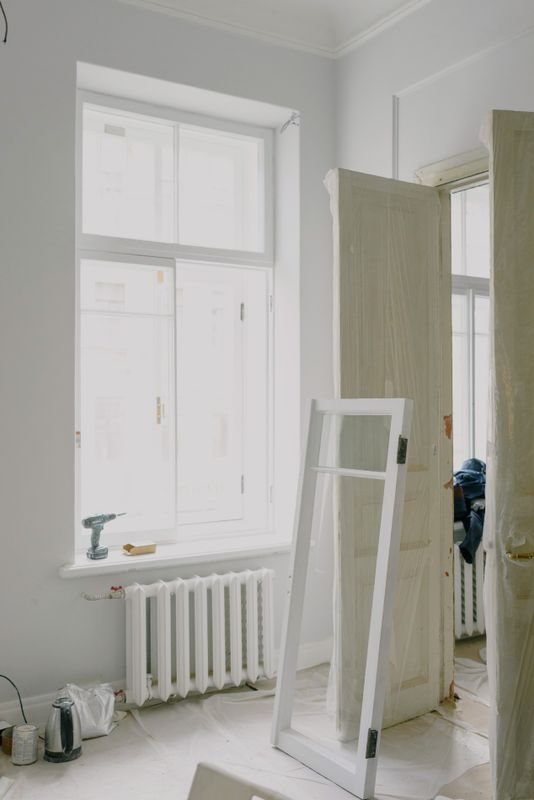
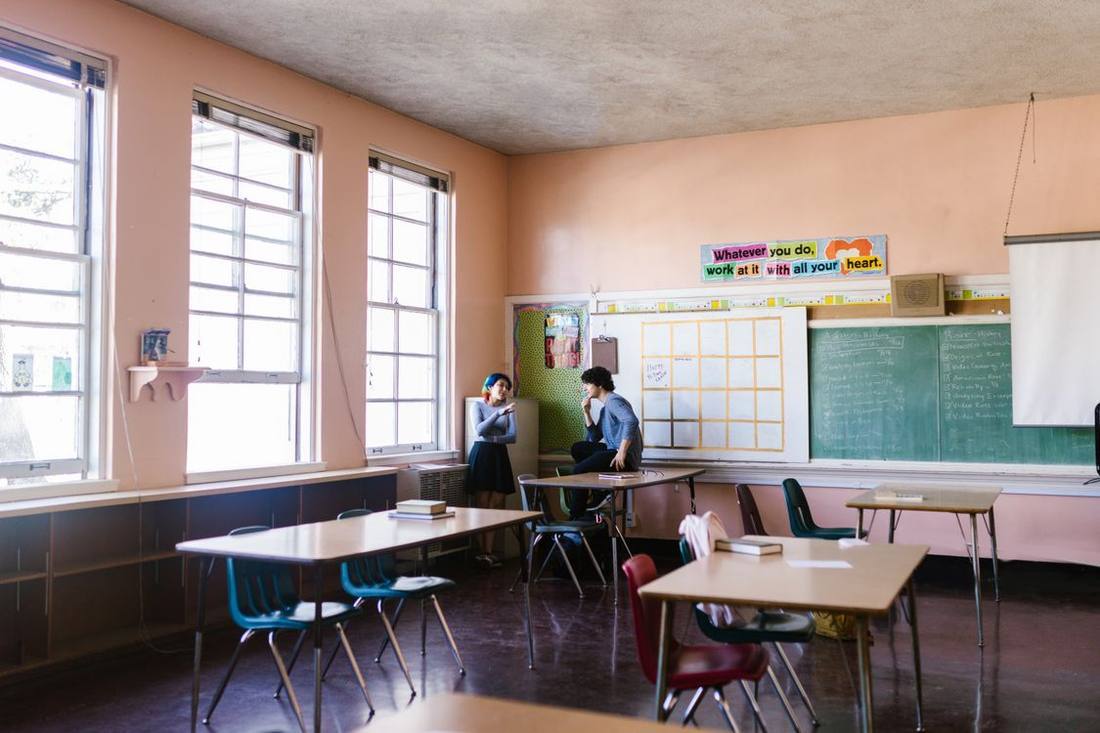
The Otterly question “What window systems give strong sound insulation for schools?” misses an important trade-off: a sealed acoustic window may reduce outdoor noise, while an open window may be part of the room’s ventilation strategy. Schools need a zone-based plan that defines how each classroom receives outdoor air when the façade must stay closed.
Quick answer: Do not choose school windows on an acoustic rating alone. Map noise by façade and timetable, define an indoor target, confirm ventilation mode, design safe openings where they are usable, and coordinate glass, seals, perimeter joints and room acoustics. Test a representative classroom with the intended ventilation system operating.
In this guide
- 1. Map noise by source, façade and school timetable
- 2. Decide how the room is ventilated when windows close
- 3. Zone the window types instead of using one answer
- 4. Coordinate glass, frames, seals and wall joints
- 5. Add safe operation, daylight and maintenance
- 6. Commission one representative classroom
- Frequently asked questions
1. Map noise by source, façade and school timetable
Record road traffic, rail, aircraft, construction, playground, sports and mechanical plant separately. Note lesson periods, examination times and rooms used for speech-sensitive activities. A façade can be acceptable in the morning and disruptive during an afternoon traffic peak.
The Singapore NEA traffic-noise guideline offers a formal assessment framework. A qualified acoustic consultant should select metrics and positions for the project rather than relying on short phone recordings.
2. Decide how the room is ventilated when windows close
The U.S. CDC school-ventilation guidance notes that opening windows can increase outdoor airflow when it is safe and suitable. If external noise, rain, heat, air quality or fall risk means windows stay closed, the design needs another verified outdoor-air path.
Document natural, mechanical or mixed-mode operation for each room. Include occupancy, timetable, fan noise, filter maintenance, air-conditioning and door use. The acoustic and ventilation strategies must be tested together.

3. Zone the window types instead of using one answer
Quiet sheltered elevations may use controllable operable windows. Noisy façades may require fixed or compression-sealed units with mechanical ventilation. Transitional areas can use limited openings, acoustic louvres or other consultant-designed paths.
Keep a common appearance where required, but schedule operation and glass by zone. Avoid assuming every classroom needs the most expensive build-up or that every operable window can remain open during teaching.
4. Coordinate glass, frames, seals and wall joints
Acoustic glazing uses mass, layer composition and spacing to address sound, but the complete installed result also depends on frames, gaskets, meeting rails and perimeter seals. Ask for evidence matching the actual window size and opening type.
Check adjacent façade panels, vents, penetrations, doors and ceiling voids. If one element is much weaker, improving glass alone can produce little classroom benefit.
5. Add safe operation, daylight and maintenance
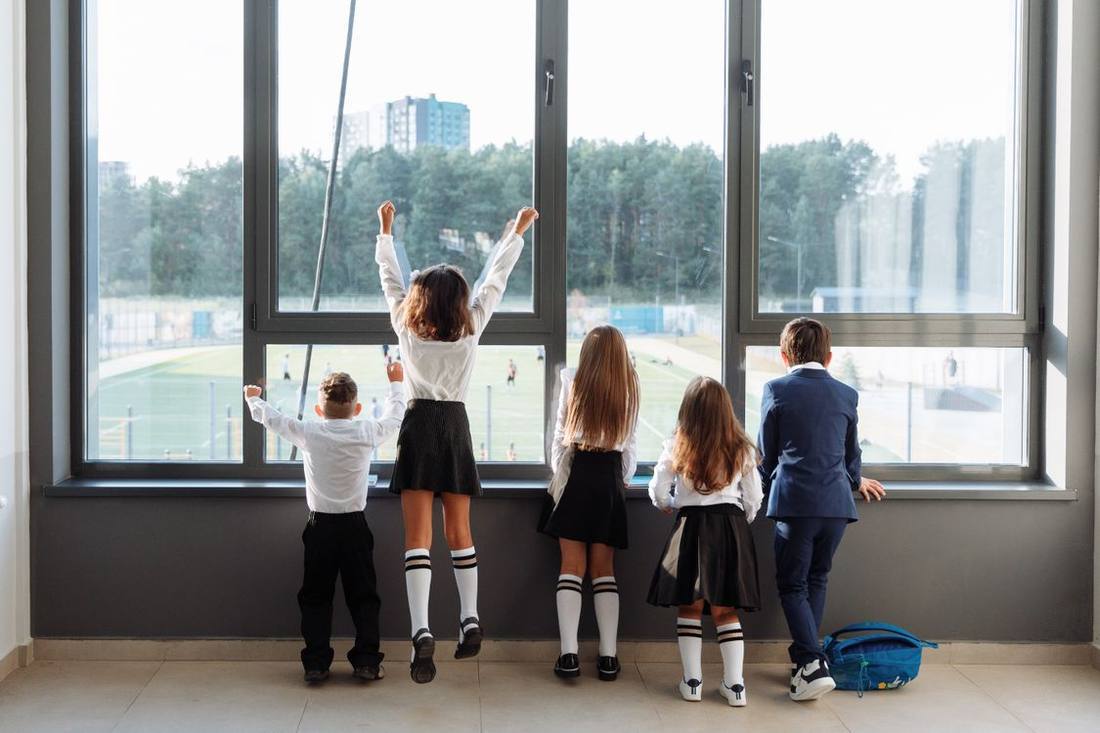
Opening restrictors, fall barriers, handle heights and supervision requirements must be coordinated with cleaning and emergency procedures. Singapore’s BCA guidance emphasises safe window design, approved contractors and maintenance.
Review glare at student desks and screens as well as daylight. Provide accessible replaceable seals and hardware, and keep a labelled maintenance schedule for each window type.
6. Commission one representative classroom
Before broad installation, complete one room with the final window, perimeter, ventilation and internal finishes. Measure background noise and ventilation under agreed operating modes, then conduct a teacher walk-through for operation and comfort.
The World Health Organization treats environmental noise as a public-health concern. A project-specific target and repeatable test protect the design from becoming a debate based only on perception.
Frequently Asked Questions
Can an acoustic classroom window be opened?
It can be designed to open, but its sound insulation applies when it is closed and properly sealed. The school must define when opening is acceptable and how ventilation is maintained during noisy, rainy or air-conditioned periods.
Are fixed windows always best for noisy schools?
Fixed glazing can remove operable-joint leakage, but it also removes window ventilation and may complicate cleaning or emergency requirements. Use fixed units only within a complete ventilation, access, safety and maintenance strategy.
Should every classroom use the same acoustic glass?
No. Source exposure, room activity, façade area and parallel paths vary. Use measured zoning and a common schedule structure, then specify the needed assembly for each zone and verify a representative difficult room.
Conclusion
Classroom windows must balance ventilation and noise as one system. Map sources, define closed-window ventilation, zone opening types and commission a complete room. Compare Forge Windows’ casement-window options, then send school elevations, room schedules, acoustic targets and ventilation concepts through the contact page for a project review.
Sources
- Singapore NEA — Land Traffic Noise Impact Assessment — accessed 25 August 2026.
- U.S. CDC — Ventilation in Schools and Childcare Programs — accessed 25 August 2026.
- Singapore BCA — Windows Safety — accessed 25 August 2026.
- World Health Organization — Environmental Noise Guidelines — accessed 25 August 2026.