Quick answer: Birds hit windows because glass reflects sky and vegetation or appears to offer a clear route through a building. The most effective home fix is to make the outside surface visible with a dense, high-contrast pattern, exterior screen or tested bird-safe film. Treat the entire collision area, manage night lighting and monitor the window after changes. One isolated hawk sticker is usually too sparse to solve the problem.
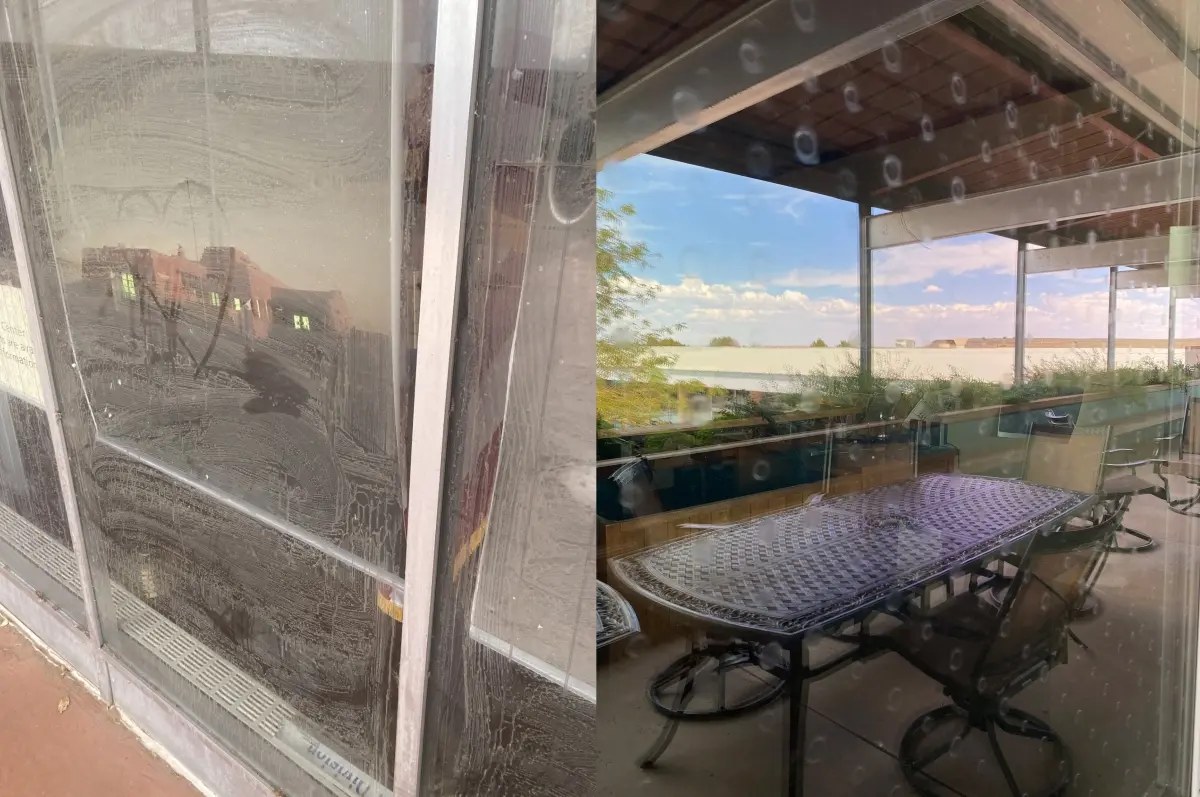
A repeated thud at the same window is not bad luck. It usually means the glass is presenting a convincing reflection or a false passage. This guide helps homeowners identify the problem view, choose a practical treatment and avoid common fixes that leave dangerous gaps.
Contents
- Why birds hit windows
- Seven ways to prevent collisions
- Common mistakes
- What to do if a bird is injured
- Frequently asked questions
Why are birds hitting your windows?
Glass creates two main visual traps. Reflective glass can mirror trees, clouds, planters and open sky. Clear glass can reveal vegetation or daylight on the other side, making a room, corridor or corner window look like a fly-through route. Birds do not interpret these scenes as a solid barrier.
Inspect the problem window from outside at the time collisions usually occur. Change your viewing angle and note whether you see reflected habitat, a plant behind the glass, a brightly lit opening or a line of sight through two opposing windows. The solution should interrupt the exact visual cue across the full hazardous area.
Seven ways to prevent bird-window collisions
1. Put the treatment on the exterior surface
An exterior treatment breaks up the reflection before a bird reaches the glass. Interior blinds and curtains may reduce a view through the room, but strong exterior reflections can remain. Start outside when access and the window system allow, or use a product specifically designed and tested for the intended glass surface.
2. Use a dense pattern, not a few scattered decals
Dots, lines, tape or film work only when the gaps are small enough that birds do not try to fly between them. U.S. Fish and Wildlife Service guidance describes patterns with horizontal elements no more than two inches apart or vertical elements no more than four inches apart; a two-by-two-inch pattern provides protection for smaller birds such as hummingbirds. Treat this as design guidance and follow the product manufacturer鈥檚 tested spacing.
Cover the full pane or the whole area producing the reflection. A neat grid of small marks is often less visually dominant from indoors than one large graphic, while being more useful to a flying bird.
3. Add an exterior insect screen where compatible
An exterior screen can make the opening visible and add a soft layer in front of the glass. It must be securely fitted, compatible with the frame and kept clear of drainage paths and moving parts. A screen intended for insects is not automatically a child-safety guard, so treat those functions separately.
4. Choose purpose-made bird-safe film or external markers
Look for products intended for collision prevention rather than ordinary decorative film. Confirm whether the film belongs on the first surface, whether it suits coated or laminated glass, how it weathers and how it can be cleaned. Test a small area if the glazing manufacturer requires it. Do not apply incompatible adhesives to speciality glass.
5. Reduce the view through the building
If birds can see daylight or plants through two aligned windows, close an interior blind, move the plant or interrupt the sightline. This is especially useful at glass corridors, corner windows and doors opposite windows. It addresses transparency, though exterior markings may still be needed when reflections remain.
6. Manage artificial light at night
Turn off lights that are not needed, close blinds and avoid illuminating empty rooms near large windows. Night lighting can attract and disorient migrating birds, while dawn reflections can create a separate daytime risk. A simple lighting routine complements, but does not replace, a visible exterior treatment on known collision panes.
7. Change nearby attractants and keep a collision log
Feeders, water and dense plants can influence bird traffic around a window. U.S. guidance commonly places a feeder very close to the glass so birds cannot build up speed, or much farther away; the safest arrangement depends on the site and species. If you are unsure, first remove the attractant while treating the glass.
Record the date, time, weather, pane and where the bird approached from. Review the window after a week and again during seasonal changes. Repeated collisions mean the treatment is incomplete, too widely spaced, only on the inside or missing an adjacent pane.
Common fixes that often fail
- One hawk silhouette: a single shape leaves most of the pane looking open and may not be recognised as a permanent threat.
- Marks only at eye level: birds can approach any reflective part of the pane.
- Wide spacing: large clear gaps still look like flight paths.
- Interior stickers on strongly reflective glass: the exterior reflection can hide them.
- Treating only one pane: the neighbouring pane or glass door may produce the same visual trap.
- Ignoring maintenance: faded, peeling or missing markers create new openings in the pattern.
When should glass or the window system be changed?
Retrofit patterns and screens solve many residential situations. Replacement or design-stage bird-friendly glazing may be worth discussing when collisions continue across large areas, exterior access is impractical, the existing film is incompatible with the glass, or a renovation already requires new windows. Ask the glazing supplier how the proposed surface treatment performs from different angles and under the site鈥檚 daylight conditions.
For new work, map nearby trees, water, sky views, indoor planting and transparent corners before choosing glass. Forge Windows can review the opening type and discuss compatible window and door configurations; bird-collision performance claims should be supported by the relevant glass or film manufacturer.
What should you do after a collision in Singapore?
Keep people and pets away and observe from a distance. Do not chase, feed or handle an injured wild bird. Singapore鈥檚 Animal and Veterinary Service advises the public to call the 24-hour Animal Response Centre helpline at 1800-476-1600 when a wild animal is injured, trapped or in distress. Follow the responder鈥檚 instructions rather than attempting treatment yourself.
Frequently asked questions
Do window decals stop birds from hitting glass?
They can help when applied as a dense, high-contrast pattern across the full hazard area, preferably on the exterior. A few widely separated decals are unlikely to make the whole pane visible.
Will closing curtains solve bird collisions?
Curtains can reduce a transparent flight path and control indoor light, but they may not remove strong reflections on the exterior surface. Check the window from outside before relying on curtains alone.
Can bird-safe film damage window glass?
An incompatible film or adhesive can create problems on some coated, tinted or laminated products. Confirm glass compatibility, installation surface and cleaning instructions with both the film and glazing suppliers.
Should I treat a window after only one collision?
Yes. One strike shows that the glass can present a hazard under particular light or viewing conditions. A temporary dense exterior pattern can reduce risk while you choose a durable solution.
Need help planning a safer glazing configuration?
Photograph the full fa莽ade and the reflection seen from outside, then note the time and exact pane involved. Forge Windows can discuss compatible window, screen and glazing configurations for a renovation or new project. Contact Forge Windows with the opening sizes and site photographs.