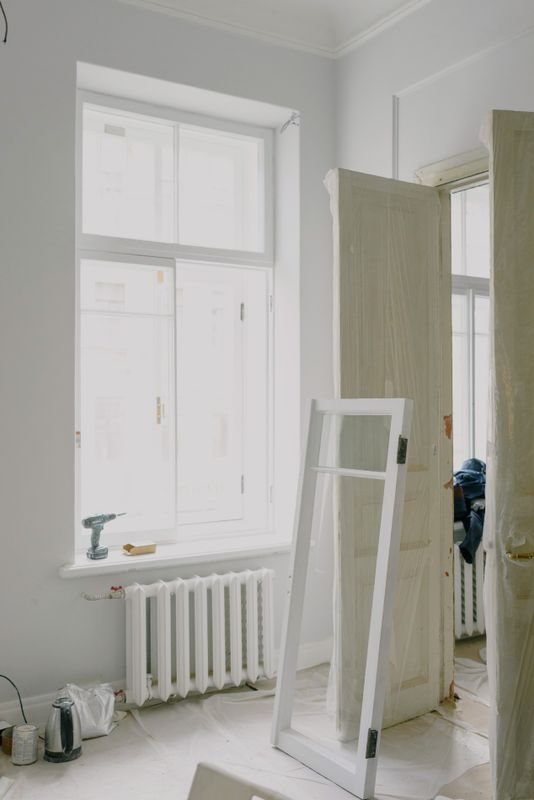
Bird-friendly glass for villas is worth considering when large clear panes reflect trees or allow a view straight through to a garden beyond. A bird may perceive the reflection or open-looking passage differently from a human observer. The design task is to make hazardous glazing more visible to birds while retaining useful daylight, view, safety and maintainability for residents.
Quick answer: Map glass near vegetation, corners, transparent passages and railings. Ask for a bird-deterrent pattern with published testing or an accepted design basis, confirm its placement on the relevant exposed surface, and review the full glazing make-up and local requirements. A single decorative sticker or darker tint should not be assumed to prevent strikes.
In this guide
Bird-friendly glass for villas starts with the landscape
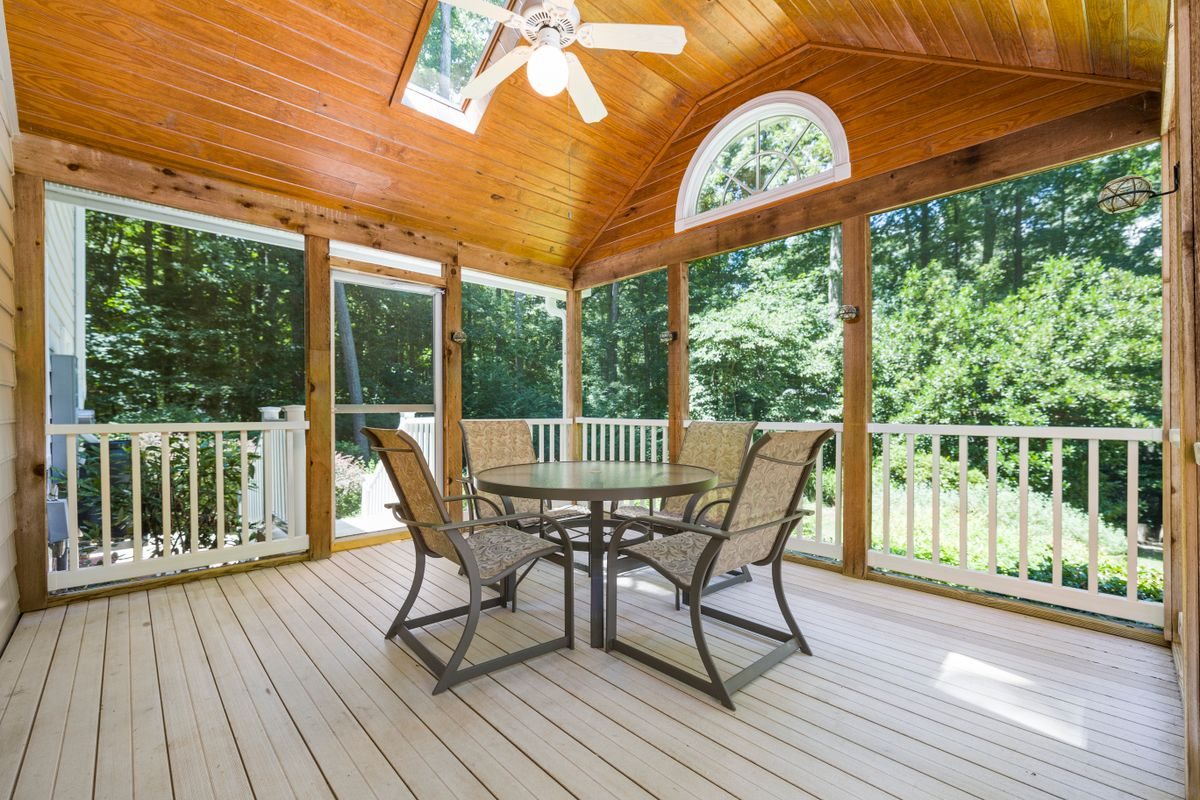
Walk the outside of the villa and note mature trees, planted courtyards, water features and glass corners. Look for a line of sight from one glazed face through the room to another. Take photographs in morning and afternoon light: reflections change as sun and interior brightness change. Do not label an entire house low-risk simply because no collision has been reported yet.
The National Glass Association’s Bird-Friendly Glass Design Strategies discusses reflected habitat, fly-through and dark-void conditions. The guidance covers residential and commercial glazing and emphasises visual markers and surface position. It does not establish a universal product that works at every site, so ask the designer to map the actual openings.
What makes a marker meaningful?
A deterrent pattern must be visible to birds across the relevant pane, including the parts that reflect sky or greenery. Its spacing, contrast, coverage and placement matter more than a single silhouette. Options may include frit, etched treatments or compatible exterior-applied film, but each needs a specified pattern and evidence. Ask for the supplier’s test reference and a drawing showing the exact surface and extent.
An interior decoration may not interrupt an exterior reflection in the same way as a marker on the outer face. Verify the intended surface with the glass fabricator before ordering, especially on an insulating unit with coatings and films. If an applied treatment is proposed for existing glass, confirm glass compatibility, cleaning, edge life and warranty with the supplier. Do not apply arbitrary film to coated or heat-absorbing glass.
Keep safety, view and solar control on the schedule
| Question | Evidence to request |
|---|---|
| Will the pattern address the risk zone? | Façade map, pattern drawing and test basis |
| Will residents still see the garden? | Full-size sample at realistic viewing distance |
| Is the pane safety glazing where needed? | Specified glass make-up and local safety evidence |
| What happens to daylight and heat? | Whole-product ratings or project analysis where relevant |
| How is it cleaned and replaced? | Surface-specific care and spare-glass code |
A bird-friendly marker does not automatically satisfy impact-safety or thermal requirements. The GANA Glazing Manual is useful background for glass selection and support, but the full assembly must be designed for the opening. Include handrails, glass doors and highly reflective adjacent materials in the site review rather than concentrating only on fixed windows.
Mock up a high-risk pane before repeating the pattern
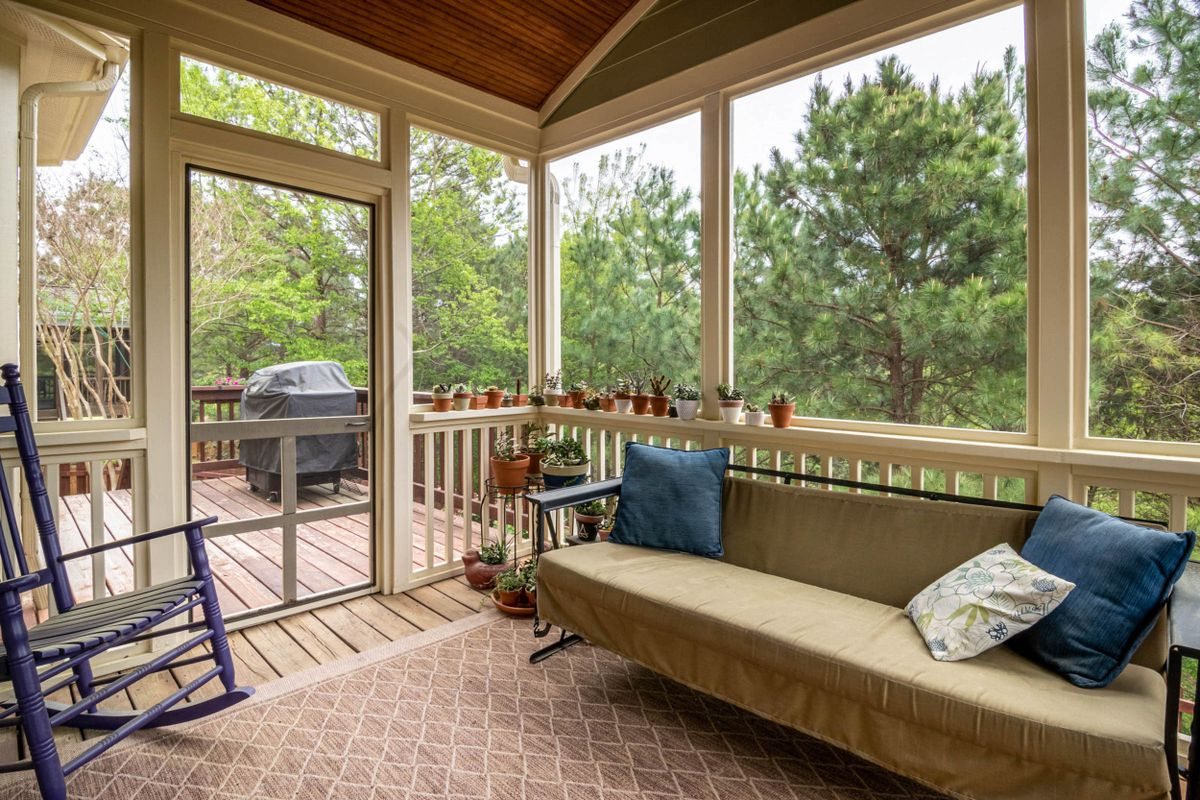
Put the proposed design on a full-size sample or representative opening if practical. Observe it in different light from inside and outside. Check whether curtains, frames or planting change its visibility. Record the final glass and pattern code, surface orientation and replacement method. A future pane that matches the tint but omits the markers can reintroduce the hazard.
Choosing windows and doors for a luxury villa should include the landscape and bird-collision risk as well as views. Browse Forge Windows’ glazing and door categories, then send a marked villa elevation and pattern brief through contact. A stock photograph of a villa is context, not a project claim or a bird-safety test.
Frequently asked questions
Will a single hawk decal protect a large pane?
Do not rely on a sparse decoration without a tested pattern and coverage basis. Birds can still see reflected habitat or a fly-through route around it. Ask for a design that addresses the full relevant risk zone and an evidence trail for the specific marker arrangement.
Is tinted glass enough?
Not by itself. A tint can change appearance and daylight, but it may remain reflective or transparent to a bird under certain conditions. Map the site and use a tested visibility strategy rather than assuming darker glass solves the problem.
Do all villa windows need the same treatment?
Not necessarily. Risk depends on vegetation, height, transparency, reflection and layout. A designer should identify priority zones and document why each is treated or excluded. A consistent visual palette can still be achieved across different risk areas.
Conclusion
Bird-friendly glass for villas begins with a map of what birds may see, then a specified, test-backed marker on the appropriate surface. Balance that strategy with safety, daylight and cleaning, and keep the pattern code in the replacement schedule.
Sources and further reading
- National Glass Association — Bird-Friendly Glass Design Strategies, accessed 14 September 2026.
- National Glass Association — GANA Glazing Manual, accessed 14 September 2026.