Quick answer: An awning window that will not open or close may have a partially engaged lock, dirt or paint in the frame, a loose handle, worn operator gears, a disconnected arm, damaged friction hardware, misalignment or corrosion. Stop turning the handle when resistance rises sharply. Clean visible debris, check that every lock is released and photograph the operator and hinges. High-level, heavy or unstable sashes should be assessed by a window technician.
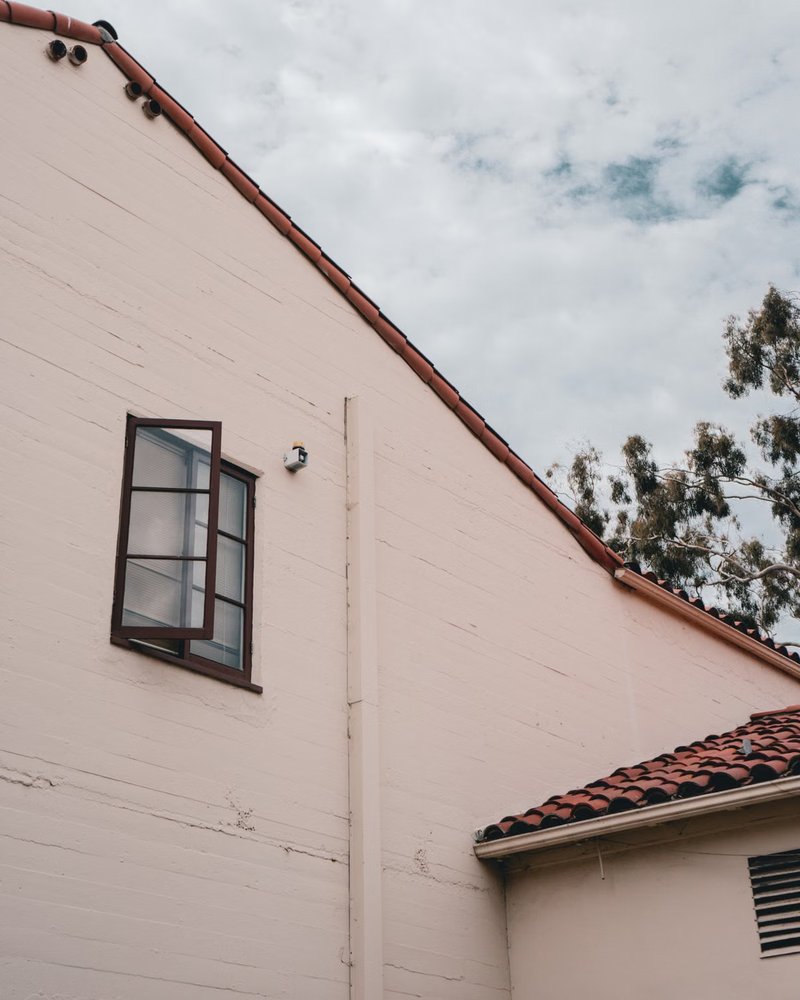
Awning windows are hinged at the top and open outward from the bottom. They are useful for controlled ventilation, but their operator, arms, stays and locks must work together. Continuing to crank a jammed window can strip gears, bend an arm or leave a glazed sash insecure. This guide explains eight safe checks, what a homeowner can clean or observe, and when repair or replacement is the safer option.
Contents
- How an awning window operates
- Eight causes to check
- Safe troubleshooting sequence
- Cleaning and lubrication rules
- Repair or replacement?
- Frequently asked questions
How does an awning window open and close?
The U.S. Department of Energy defines an awning window as a top-hinged unit that opens outward. Because the sash closes by pressing against the frame, a sound awning window can provide good control of air leakage. The exact hardware varies: some products use a crank operator with one or more arms, while others use manual stays, restrictors or friction hinges.
Andersen describes a typical awning operator as three visible or serviceable parts: the operator mechanism, the handle attached to its spline shaft, and the cover over the gears. Other brands use different components and attachment points. Identify the manufacturer and model before removing covers, arms or fasteners.
Awning window won’t open or close? Check these eight causes
1. One lock is still engaged
Wide awning windows may have more than one latch. If one remains engaged, turning the crank twists the sash instead of opening it. Return the handle to a neutral position, release every lock and try again gently. Do not apply extra force to “break” the sash free.
2. Dirt, paint or an object is blocking the frame
Sand, leaves, dried sealant, paint or a small object can obstruct the lower edge. Vacuum loose debris and wipe the accessible sill. Look outside from a safe indoor position; do not lean out to reach a blockage. If the sash stops at exactly the same point each time, a physical obstruction is likely.
3. The handle is loose on the spline
A handle that turns without moving the sash may have a loose set screw or a worn connection to the operator shaft. Inspect the handle without forcing it. Tighten only the specified accessible screw with the correct tool. If the shaft turns but the mechanism does not move, the internal gears may be stripped.
4. The operator gears are worn or jammed
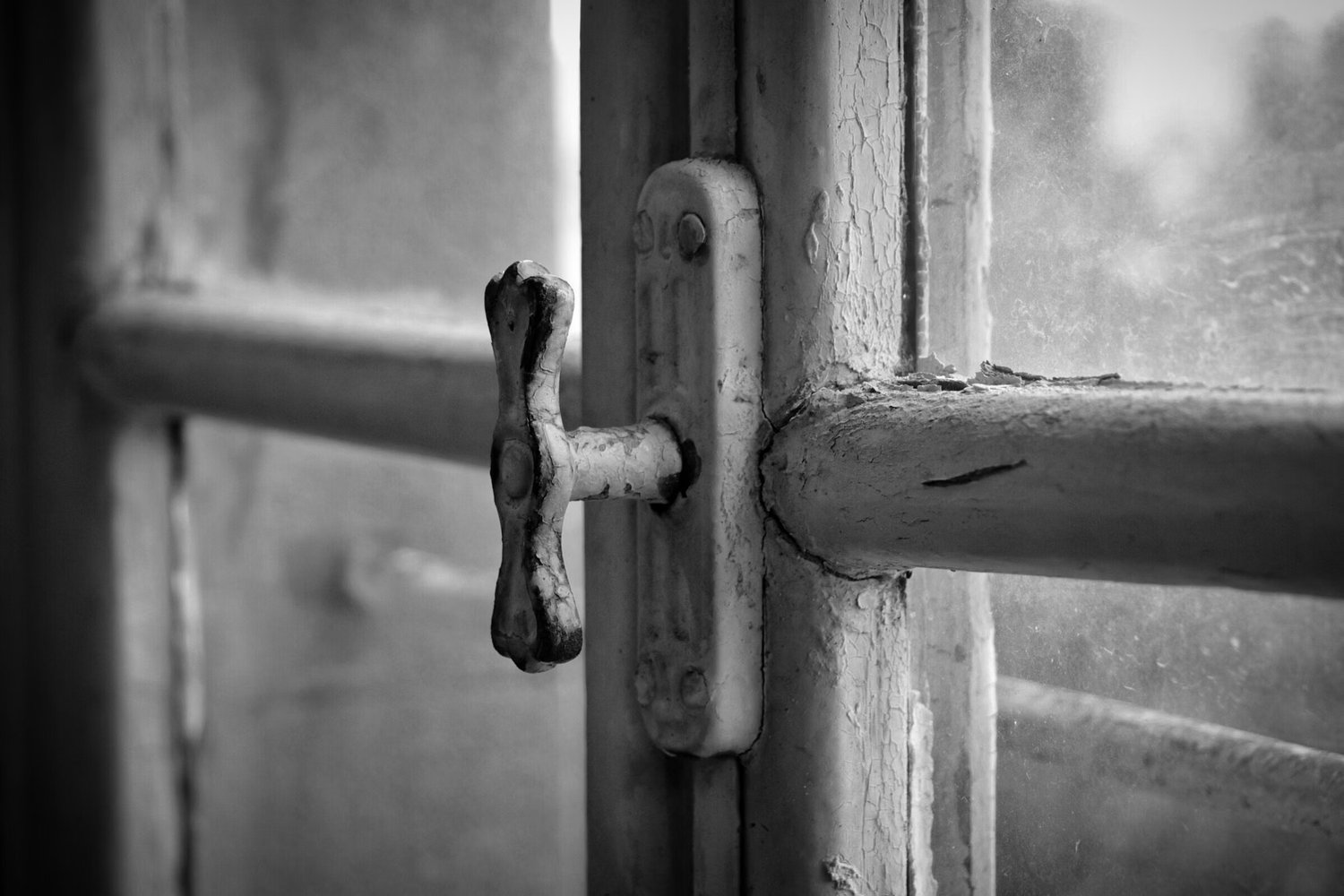
Clicking, slipping or a handle that rotates while the arm remains still points toward operator failure. Corrosion, wear and repeated forcing can damage gears. Operators are usually replaced as compatible assemblies rather than repaired with improvised internal parts. Support the sash before disconnecting any arm.
5. An operator arm or bracket has loosened
The arm must remain connected to its sash bracket and move through the intended path. A loose bracket can let one side travel farther than the other. Stop using the window if a fastener is missing, the arm is bent or the bracket pulls away from the sash. Movement can enlarge the damaged fixing point.
6. Hinges, stays or restrictors are binding
Top hinges and side hardware support the sash while controlling its travel. Dirt, corrosion, bent components or mismatched adjustment can create uneven resistance. Compare both sides from indoors. Do not remove a restrictor or friction component to gain more opening because it may provide safety, load control or wind restraint.
7. The sash is out of square
An uneven gap, rubbing corner or lock that no longer lines up suggests misalignment. Loose hardware, frame movement or a deformed sash can be responsible. Closing harder may damage the seals or lock. Record the gap pattern and request an alignment check rather than moving one component at random.
8. Seals, corrosion or water damage are increasing resistance
A displaced gasket can fold into the closing path. Salt, dirt and moisture can also attack unprotected hardware or collect around moving joints. The Fenestration and Glazing Industry Alliance recommends checking weatherstripping and hardware, replacing worn components and following the manufacturer’s lubrication guidance—especially in salt-air environments.
A safe awning-window troubleshooting sequence
- Secure the area. Keep children and pets away, remove objects below the sash and avoid working during strong wind or rain.
- Release every lock. Confirm each latch is fully open before touching the operator.
- Clean accessible tracks and edges. Vacuum loose material with a brush attachment; do not push debris into drainage openings.
- Move the handle gently. Stop at sharp resistance, clicking, slipping or uneven sash movement.
- Watch both sides. From indoors, confirm whether arms and stays travel together and remain attached.
- Check the closing path. Look for folded seals, fresh rub marks, protruding fasteners or material trapped between sash and frame.
- Record labels and symptoms. Photograph the entire window, operator, handle, arms, locks and contact points.
- Restrict use if insecure. If the sash will not close or remain supported, keep people away and arrange prompt service.
Do not stand on furniture, lean through the opening or detach a support arm while the sash is unsupported. An outward-opening glazed panel can move suddenly under wind load. Exterior access above ground level requires appropriate equipment and trained personnel.
Should you lubricate a stiff awning window?
Only after cleaning and only with the product approved for that hardware. Andersen’s current guidance for some awning operators specifies dry silicone spray and directs owners to the manufacturer’s cleaning and lubrication procedure. That instruction does not automatically apply to every brand, coating, seal or friction stay.
Avoid general-purpose oil unless the manufacturer specifies it. Oil can attract dust, migrate onto seals and finishes, or change the behaviour of friction hardware. Lubrication will not repair stripped gears, loose brackets, bent arms or misalignment. If the sash improves only when lifted by hand, the supporting hardware needs assessment.
Keep drainage paths clear
Awning frames may include sill drainage or weep openings. The Fenestration and Glazing Industry Alliance recommends cleaning tracks and weep holes with a dry paintbrush or vacuum attachment and keeping them free of sealant, paint and debris. Do not fill a lower-frame opening simply because air or insects are noticed nearby.
Repair or replace the awning window?
| Condition | Repair may be practical | Replacement assessment is sensible |
|---|---|---|
| Handle or operator | Compatible part is available and sash/frame are sound | Hardware is obsolete or fixing points are damaged |
| Alignment | Local adjustment restores even gaps and locking | Frame or sash is visibly distorted |
| Seals | Correct replacement gasket is available | Multiple profiles are damaged and water/air leakage persists |
| Corrosion | Surface contamination only; hardware remains structurally sound | Arms, hinges, fasteners or frame sections have lost material |
| Glass and safety | Glazing is secure and undamaged | Glass is loose, cracked or contacting the frame |
Replacement does not need to mean changing every window in the property. A technician can first identify whether compatible operator, hinge, stay, lock and seal components remain available. When several systems are failing together, a new window may provide a more predictable result than repeated part-by-part repairs.
Consider child and fall safety
An insect screen is designed for insect control, not fall prevention. The U.S. Consumer Product Safety Commission advises using appropriate window guards or stops where children are at risk and keeping furniture away from accessible windows. Do not remove a restrictor or assume a screen can support a person.
Frequently asked questions
Why does my awning window open but not close?
The operator arm may be binding, a seal may have folded into the path, or the sash may be misaligned. Wind can also load an outward-opening sash. Do not pull hard on the handle. Support the area, inspect both sides from indoors and arrange service if movement is uneven.
Why does the crank spin without moving the window?
The handle-to-shaft connection or the internal operator gears may be worn. Check the handle’s specified set screw without forcing it. If the shaft rotates but the arm does not move, the operator assembly commonly needs compatible replacement.
Can I replace an awning-window operator myself?
Some manufacturers provide model-specific replacement procedures, but the sash must be securely supported and the correct operator identified. High, large, heavy or glazed sashes create significant risk. If access or support is uncertain, use a trained window technician.
Why is the window harder to use after rain?
Water can move dirt into hardware, swell surrounding materials or reveal corrosion and seal problems. Let accessible surfaces dry, clean loose debris and check drainage. Persistent stiffness after rain may indicate damaged hardware, a displaced gasket or alignment that needs professional correction.
Can I force the handle to pull the sash tight?
No. Excess force can strip the operator, bend arms or damage locks and seals. A sash should reach the frame evenly before the lock provides final compression. Diagnose the obstruction or alignment problem instead of using the handle as a clamp.
Restore safe, controlled operation
When an awning window won’t open or close, start with locks, debris, the handle connection and visible hardware. Stop at sharp resistance, keep the sash supported and preserve all restrictors and drainage paths. Model-specific parts and instructions matter more than generic adjustment advice.
Forge Windows can discuss aluminium awning-window configurations, hardware compatibility and replacement options for a project. Contact Forge Windows with photographs, approximate dimensions, the window location and any visible manufacturer labels.
Sources: U.S. Department of Energy — Window Types and Technologies; Andersen — Casement and Awning Window Operators; Andersen — Awning Operator Installation; Fenestration and Glazing Industry Alliance — Care and Maintenance; U.S. Consumer Product Safety Commission — Childproofing Windows. Accessed 15 August 2026.