Quick answer: Patch a torn window screen when the damage is small, away from the edge and the surrounding mesh is still strong. Replace the mesh when tears are long, holes are repeated, the screen has become brittle, or the spline no longer holds it securely. Replace or repair the frame when it is bent, loose or no longer fits the window. A mosquito screen is insect protection, not fall protection.
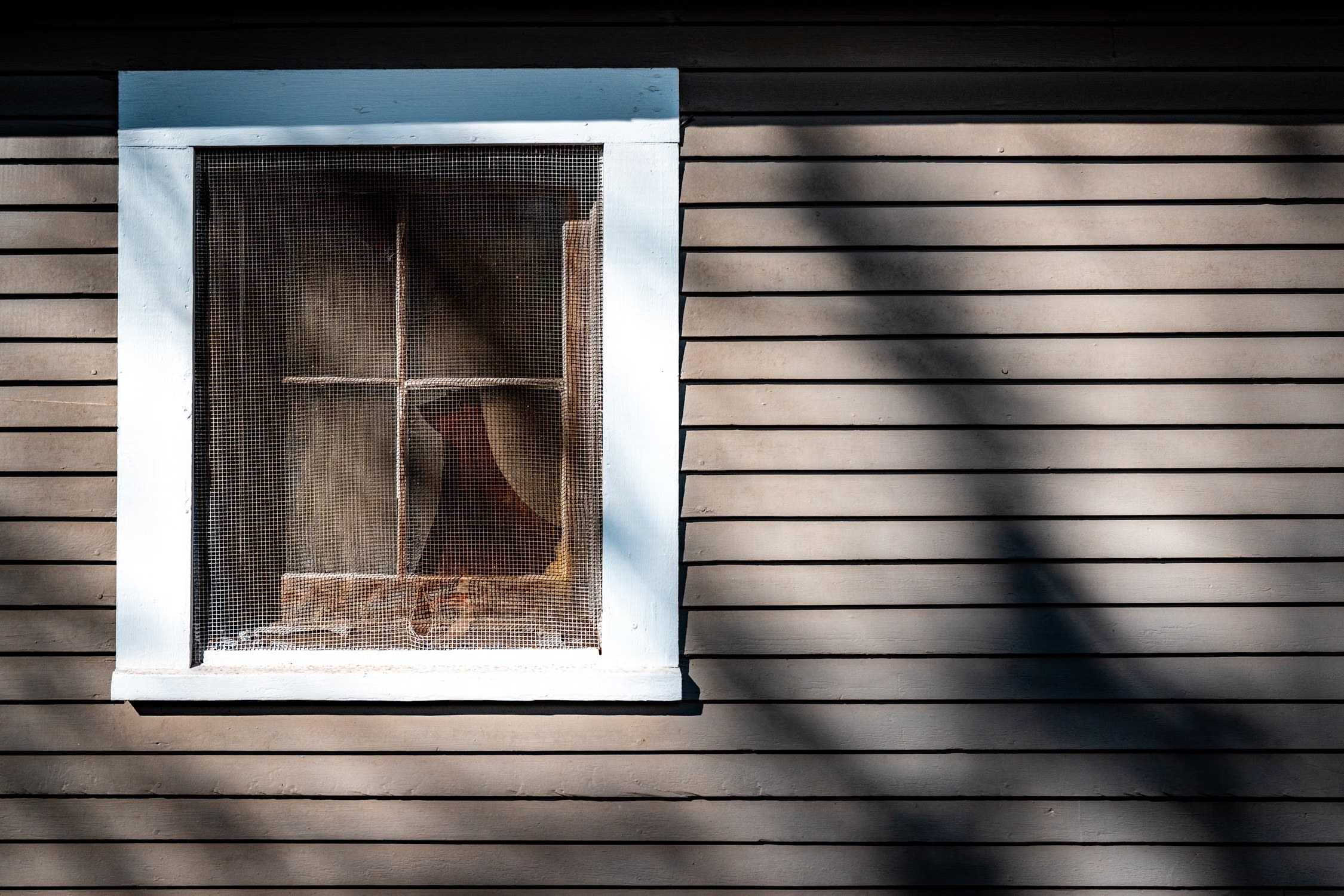
A small hole can quickly become a loose edge when the screen is opened, cleaned or pushed by wind. The best repair depends on more than the visible tear: inspect the mesh, spline, frame, corner joints and how the screen is retained in the window. This guide helps you decide whether to patch, re-mesh or replace the complete screen.
Contents
- Inspect the whole screen first
- When a patch is enough
- When to replace the mesh
- When the frame also needs work
- Safe repair and replacement steps
- How to prevent repeat damage
- Frequently asked questions
Inspect the whole torn window screen first
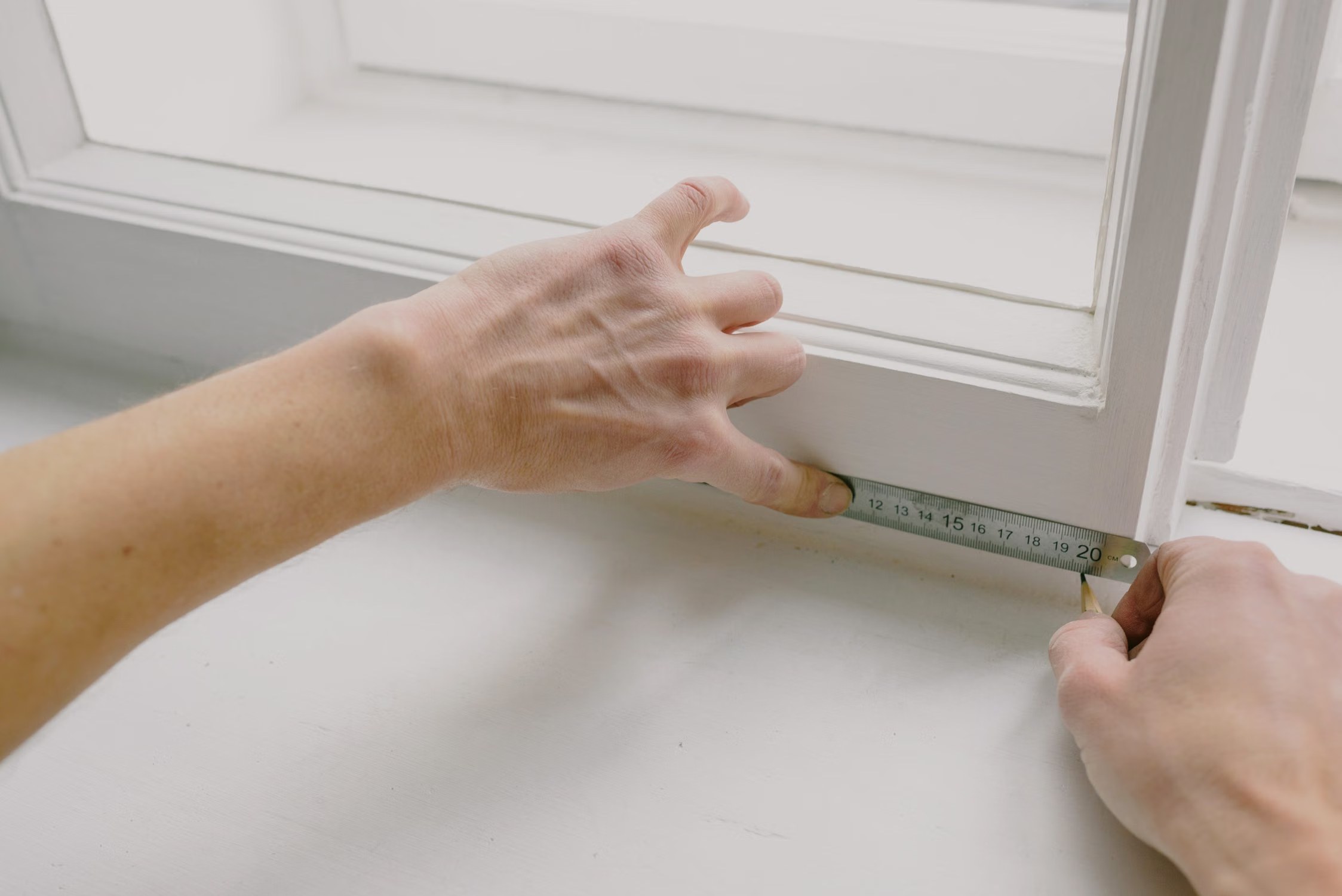
Remove the screen only if it can be handled safely from inside. High-level, externally retained or large screens should be left to a contractor. Lay a removable panel on a flat surface and check both faces in good light.
- Mesh: look for holes, long splits, stretched areas, corrosion, brittleness and fraying.
- Edges: check whether the mesh has pulled out of the spline channel or fixing strip.
- Spline: look for hardening, shrinkage, cracking or sections that lift easily.
- Frame: check for bowed rails, loose corners, corrosion and missing pull tabs or clips.
- Fit: reinstall the panel temporarily and identify gaps around the perimeter.
- Window operation: confirm that the screen does not obstruct locks, drainage or the moving sash.
The National Environment Agency recommends mosquito screens on windows and doors as one protective measure against bites. A torn or poorly fitted screen leaves a route around that barrier, so perimeter gaps matter as much as the centre of the mesh.
When is a window-screen patch enough?
A patch is reasonable when the hole is small and isolated, the mesh around it remains flexible and strong, and the damage is not next to the retaining edge. The patch should use compatible screen material, overlap sound mesh on every side and have no sharp strands. Follow the patch manufacturer’s attachment method rather than using household tape that dries out or leaves adhesive on the frame.
Think of a patch as a local repair, not a way to rebuild ageing mesh. If light pressure causes the surrounding area to split, or if several patches would be needed, replace the full mesh. A neat replacement usually seals more reliably and avoids a collection of weak points.
Five signs that the screen mesh should be replaced
1. The tear is long or continues to spread
A long split transfers load to the ends of the tear. Pulling it flat for a patch can distort the mesh and open new holes. Full re-meshing gives the frame one continuous surface with even tension.
2. There are multiple holes or old patches
Repeated damage often means the mesh is ageing, being rubbed by a moving part or exposed to pets, tools or sharp cleaning equipment. Fix the cause before installing new material.
3. The mesh feels brittle, chalky or heavily corroded
Sun, weather, coastal exposure, cleaning chemicals and normal ageing can weaken screen materials differently. If the mesh cracks during gentle handling or its wires have corroded, a small patch will not restore the surrounding area.
4. The mesh has pulled away from the spline
A short loose section may be re-seated if both mesh and spline remain compatible and sound. Widespread edge release, shrunken spline or a damaged channel usually calls for re-meshing with the correct spline diameter and profile.
5. The mesh is badly stretched or wavy
Loose mesh can rub the sash, flap in wind and leave gaps at the frame. Re-meshing allows controlled, even tension. Pulling too tightly is also a problem because it can bow lightweight frames and open corner joints.
When does the screen frame need repair or replacement?
Replacing mesh will not correct a frame that no longer matches the opening. Repair or replace the frame when rails are bent, corners separate, retention clips are missing, the screen rocks in the opening or there are gaps that cannot be closed by correct installation. Corroded or cracked fixing points also need attention.
Check the window’s drainage route before adding new clips, tracks or seals. A screen frame should not cover weep holes or prevent the sash and locks from operating. If a custom screen is required, measure the actual opening and retention system rather than copying a visibly distorted old panel.
How to replace removable screen mesh safely
- Record the existing system. Photograph the frame, spline, corners, clips and pull tabs before removal.
- Work on a flat surface. Support all four sides so the frame cannot twist.
- Remove the old spline carefully. Avoid gouging the channel or bending a lightweight rail.
- Clean the channel. Use a soft brush and cloth; remove debris that would stop the spline seating evenly.
- Match the materials. Confirm mesh type, opening size, spline profile and compatibility with the frame.
- Lay the mesh square. Leave enough excess around the perimeter and keep the weave aligned.
- Install with even tension. Seat the spline progressively and check that the frame remains square.
- Trim safely. Keep the blade away from the finished mesh, frame finish and your supporting hand.
- Reinstall and test. Check the perimeter, clips, sash movement, lock operation and drainage.
Wear eye protection and gloves suitable for the mesh and cutting method. Stop if the frame must be accessed from outside, if the panel is too large to control, or if damaged metal leaves sharp edges. A contractor can re-mesh the panel or fabricate a compatible replacement.
Important: an insect screen is not a safety guard
The U.S. Consumer Product Safety Commission warns that window screens are not effective for preventing children from falling. Do not lean, push or allow children or pets to rely on the mesh. Where fall protection is needed, use a purpose-designed guard or restrictor that complies with the requirements for the room and emergency escape route.
How to prevent another torn screen
- Open and remove the screen using its handles or pull tabs, not the mesh.
- Use a soft brush or gentle water flow instead of sharp tools or high-pressure cleaning.
- Keep the screen clear of sliding panels, handles and hardware that can rub it.
- Repair loose clips and corner joints before wind movement enlarges the problem.
- Add a suitable pet-resistant solution where claws repeatedly damage ordinary mesh.
- Inspect after renovation work, painting and window servicing.
- Keep nearby plant growth from pressing against exterior screens.
Frequently asked questions
Can a torn window screen be repaired without removing it?
A small accessible hole may accept a compatible patch, but working on a removable panel laid flat usually gives better control. Do not reach outside or work at height. Loose edges, brittle mesh and frame damage require removal or professional service.
How do I know which screen mesh to buy?
Identify the existing material, mesh opening, colour, spline size, frame channel and intended use. Airflow, insect size, pets, coastal exposure and visibility can affect the choice. Ask the screen supplier to confirm compatibility rather than selecting by appearance alone.
Why does new mesh keep pulling out?
The spline may be the wrong size, the channel may be damaged, the mesh may be over-tensioned or the frame may be bowed. Repeating the same installation can worsen the rail. Check the complete retention system and frame squareness.
Should I repair the screen or buy a new frame?
Re-mesh a square, sound frame with secure corners and compatible spline channels. Replace or professionally repair the frame when it is bent, corroded, cracked, missing retention parts or unable to close perimeter gaps.
Need an insect-screen-compatible window configuration?
Share the window type, opening dimensions, photographs and how the screen is retained. Forge Windows can discuss aluminium window configurations that accommodate ventilation, insect control and maintenance access. Contact Forge Windows with your project details.