Quick answer: Repair a window when the fault is localised, the frame and glass are sound, compatible parts are available and the repair can restore safe operation. Consider replacement when glass or a sash is insecure, the frame is distorted, corrosion or leakage is widespread, parts repeatedly fail, or several problems come from an unsuitable system. Diagnose the water, hardware or glazing failure before comparing prices.
A sticky handle does not automatically justify a new window, and a fresh bead of sealant will not rescue every leaking frame. The best decision separates a replaceable component from a system-level failure. These nine signs help homeowners prepare for a useful contractor inspection.
Contents
- Nine signs that guide the decision
- Diagnose before approving work
- How to compare repair and replacement quotes
- Frequently asked questions
Repair or replace windows? Check these nine signs
1. The sash, glass or fixings are insecure
Safety outranks cost. Stop using a window if the glass moves in the sash, a panel separates from the frame, fasteners are badly corroded, a hinge or friction stay is broken, or the sash cannot be locked. Keep people away from the area and arrange prompt professional assessment. The contractor must determine whether compatible hardware and sound fixing points remain; if not, replacement may be necessary.
2. One identifiable hardware part has failed
A worn handle, roller, lock, gasket or matched pair of friction stays can often be replaced when the sash and frame are still square and sound. Repair is strongest when the cause is clear, the correct part is available and the surrounding material can hold the new fixings. A substitute part that changes the geometry or loading is not an equivalent repair.
3. The leak has a local, confirmed path
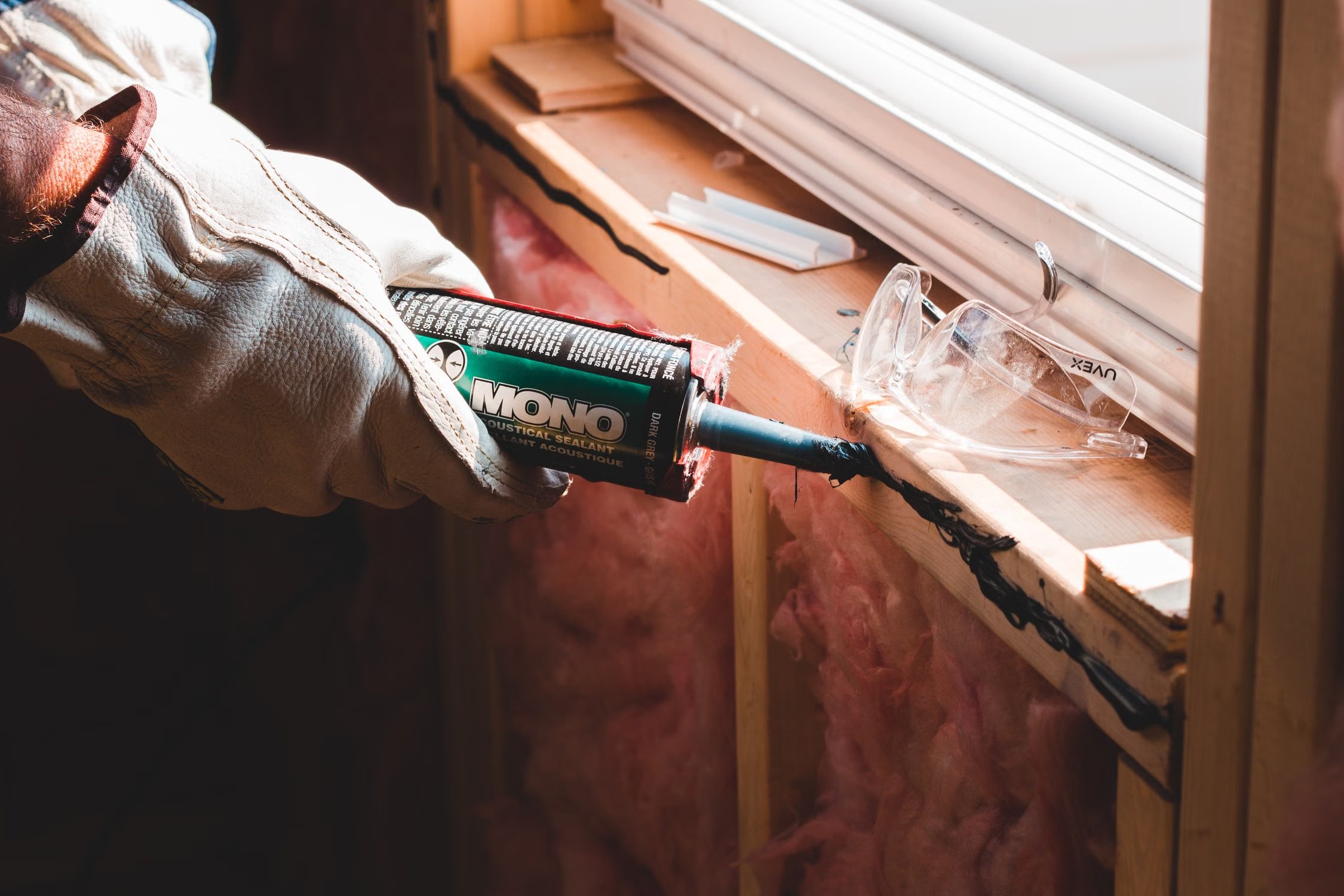
Water at a sill can come from blocked drainage, a failed perimeter joint, damaged glazing seals, an overflowing track or a wall interface above the window. A local repair may work when the source is confirmed and the rest of the assembly is serviceable. Repeatedly covering visible gaps with sealant can trap water or hide the real entry point.
4. Insulated glass is fogging between the panes
Condensation that wipes off the room-side or exterior surface is different from haze trapped inside a sealed insulating glass unit. Internal fogging usually indicates a failed edge seal and cannot be cleaned away. The glazing unit may be replaceable without changing the outer frame, but the contractor should also check drainage, setting blocks and sash condition.
5. Operation problems keep returning
If a sliding panel repeatedly comes off alignment, a casement sash keeps dropping or locks need constant adjustment, the visible hardware may be responding to a deeper problem. Measure whether the sash or frame is out of square, inspect fixing points and check that the glass and hardware suit the design. Replacement becomes more reasonable when several parts fail because the system is distorted or mismatched.
6. Corrosion or physical damage is widespread
Small areas of surface dirt or staining may be serviceable. Deep pitting, fractured corners, damaged tracks, rotten surrounding materials or corrosion at critical fasteners are different. If sound material is not available for seals and fixings, a repair may not restore dependable performance. The surrounding wall and waterproofing should be checked before a new unit is installed.
7. Several windows show the same defect
One faulty handle suggests component repair. Similar leakage, binding or seal failure across many openings suggests an installation, exposure, maintenance or specification issue. Inspect a representative group before authorising repeated one-off repairs. A phased replacement plan may be more coherent, but only after the shared cause is documented.
8. The existing configuration no longer serves the room
A sound window can still be unsuitable for current use. Examples include an opening that is difficult to reach, poor insect-screen integration, a door path that conflicts with furniture or a ventilation layout that does not work for the renovated room. Hardware repair will not change the fundamental opening type. Replacement can be considered when the project needs a different function as well as restored condition.
9. The total repair plan approaches a system rebuild
Compare the full scope, not only the first invoice. Include access equipment, compatible parts, glass work, repeated visits, wall repairs, finishes, warranties and disruption. A carefully scoped repair is economical when it resolves one cause. Replacement may offer better value when several dependent components must be rebuilt and the old frame still carries unresolved risk.
Diagnose the window before approving repair or replacement
A useful inspection starts with evidence. Photograph the full window from inside and outside where safely accessible. Record when the fault occurs: during wind-driven rain, only after heavy use, at a particular sash position or after direct sun. Do not dismantle high-level hardware or remove glass to investigate.
- Confirm the symptom. Is it water, air movement, noise, fogging, loose glass, difficult operation or a locking problem?
- Locate the source. A stain below a window does not prove that the sill is the entry point.
- Check the whole opening. Review frame joints, drainage, glazing, seals, hardware and wall interfaces.
- Assess material condition. Compatible new parts need sound fixing areas and a stable frame.
- Identify the window system. Note opening type, dimensions, glass build-up, profile and visible hardware codes.
- Separate safety from comfort. Loose or falling components require immediate control; comfort improvements can follow.
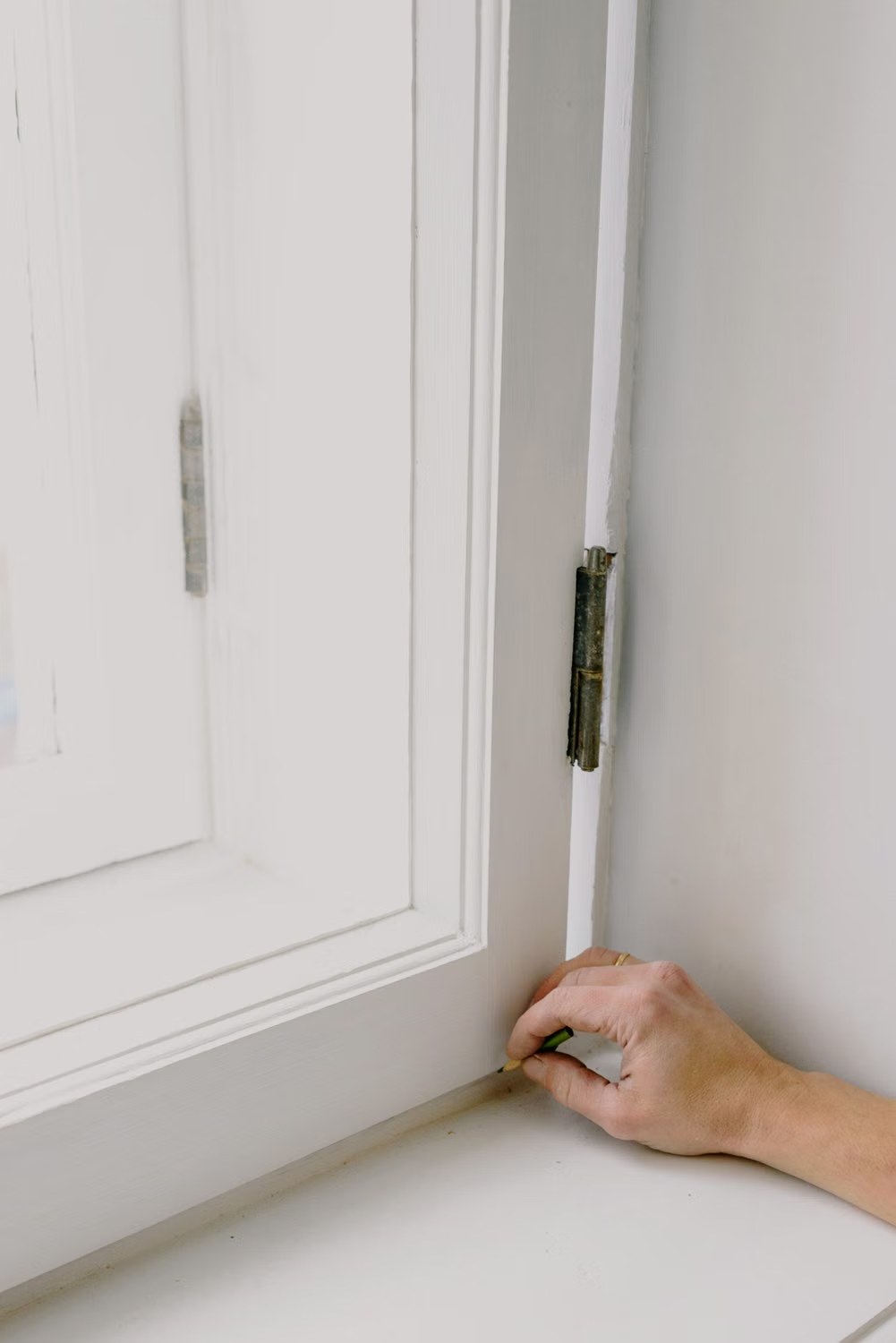
Singapore鈥檚 Building and Construction Authority advises homeowners to check casement-window rivets and screws, friction stays, sliding-window safety stoppers and angle strips, and to clean and replace damaged components as needed. That maintenance framework supports repair when the assembly remains sound; it also helps reveal when deterioration extends beyond one part.
How to compare repair and replacement quotes
Ask each contractor to describe the cause, proposed scope and exclusions in writing. A lower price is difficult to compare if one quote changes only a handle while another includes sash alignment, damaged fasteners and perimeter waterproofing.
- Which failed component or interface was identified?
- Will the work repair the symptom, the cause or both?
- Are replacement parts compatible with the sash weight, frame profile and glass?
- Does the scope include access, protection, disposal and making good?
- What parts of the wall, waterproofing or finishes are excluded?
- How will drainage paths and perimeter seals be preserved or rebuilt?
- What maintenance is required after the work?
- What written warranty applies to the defined repair or replacement scope?
What not to use as the deciding factor
- Age alone: condition, design, exposure, installation and maintenance all affect service life.
- One energy bill: comfort and energy use depend on many parts of the building, not only the glass.
- A cosmetic photo: hidden drainage, wall interfaces and fixing points require closer inspection.
- A universal lifespan claim: product type and site conditions vary.
- The cheapest first visit: compare complete scopes and the risk of repeat work.
Frequently asked questions
Is it worth repairing old aluminium windows?
Yes, when the frames and fixing points are sound and a compatible repair can restore safe operation. Age does not automatically require replacement. Widespread corrosion, distortion, insecure glass or unavailable parts can change that conclusion.
Can leaking windows be repaired without replacement?
Often they can if the leak comes from a local drainage blockage, seal or perimeter joint and the assembly is otherwise serviceable. Test and document the water path first; resealing the visible interior edge alone may not address the source.
Should fogged double glazing be repaired or replaced?
Moisture between sealed panes usually requires replacement of the insulating glass unit. The outer frame may remain if it is sound and can accept a compatible unit. Check drainage and glazing support so the new unit is not installed into an unresolved condition.
When is complete window replacement urgent?
Urgency increases when a panel or glass is loose, hardware is broken, fasteners are badly corroded, the window cannot be secured or a contractor identifies a risk of falling components. Restrict access and arrange assessment rather than continuing to operate it.
Need a project-specific repair-or-replace assessment?
Prepare the opening dimensions, product type, glass details, photographs and a short fault history. Forge Windows can review replacement configurations and help define the information needed for a comparable quotation. Explore our aluminium window and door products or contact Forge Windows with your project details.