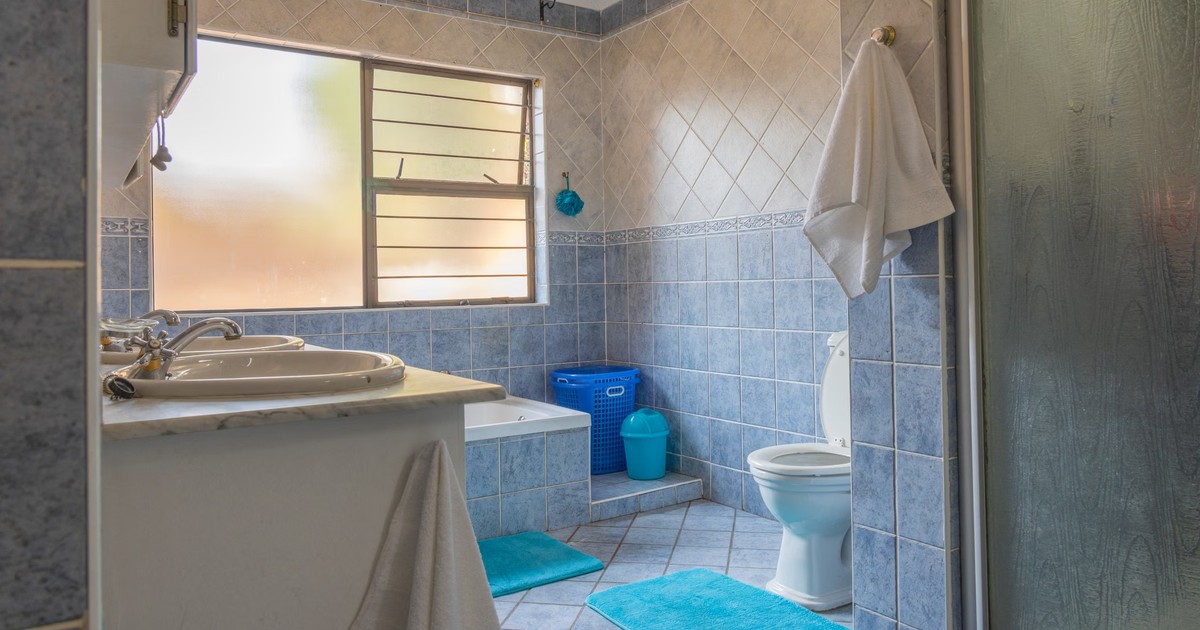
Good bathroom window privacy should block a clear view both day and night without creating a moisture, ventilation or maintenance problem. Practical options include factory-made textured or satin glass, frosted privacy film, partial-height obscuration, moisture-resistant blinds or shutters, a high-level opening section, and switchable privacy glass. The best choice depends on viewing distance, indoor lighting, window position and whether the window must open for ventilation.
Do not assume a product is private because it looks blurred in daylight. Turn on the bathroom lights after dark and test from the actual outside viewing positions. Silhouettes can remain visible through some patterned glass, films and lightweight blinds.
Key takeaways
- Test privacy at night with the room lights on.
- Keep opening sections and ventilation routes usable.
- Choose moisture-resistant, easy-to-clean materials.
- Do not cover drainage holes, seals or locking hardware with film.
- Use an approved window contractor when replacing an HDB window.
Contents
How to choose bathroom window privacy
Stand at the likely outside viewpoints and consider what can be seen during the day and after dark. A corridor-facing HDB bathroom, a landed home beside a neighbour and an upper-floor en-suite may need different obscuration. Also check whether a mirror creates an unexpected line of sight.
Decide whether you still want an outward view. Full obscure glass gives consistent coverage but removes most detail. Partial-height treatment can protect the occupied zone while leaving a clear upper section for sky, trees and daylight.
Finally, consider cleaning and ventilation. Fabric treatments may stay damp in a shower area, while a fixed film can be difficult to apply neatly around textured surfaces. Any window replacement must preserve compliant operation, safety and weather resistance.
Seven practical bathroom window privacy options
1. Textured or patterned privacy glass
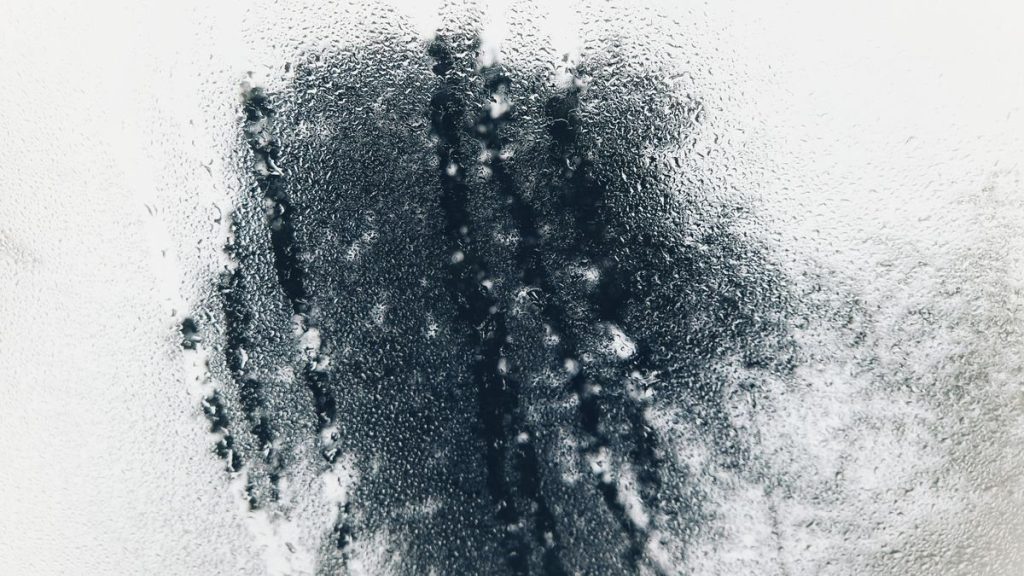
Patterned glass distorts the view through the pane while transmitting light. Different patterns provide different levels of obscuration, so inspect a full-size sample from both sides rather than choosing from a small picture. Pilkington’s decorative glass range illustrates how patterns can be grouped by privacy level.
2. Satin or acid-etched glass
A uniform satin surface produces a clean, contemporary appearance and more even diffusion than a bold pattern. It is a permanent glass choice, so confirm which surface is treated, how it should be cleaned and whether fingerprints or water marks will be visible.
3. Frosted privacy window film
Film can retrofit an existing clear pane without replacing the whole window. It is useful for rentals or budget upgrades, but edges must be installed neatly and kept away from gaskets, drainage paths and moving hardware. Check compatibility with the glass and any existing coating.
4. Partial-height frosted coverage
Covering only the lower part of the glass can protect the direct sightline while leaving the top clear. Measure the outside viewing angle carefully: a treatment that works from ground level may not block a view from an opposite corridor, balcony or higher building.
5. Moisture-resistant blinds or shutters
Adjustable treatments allow privacy and daylight to change through the day. Choose materials and hardware intended for humid rooms, keep cords and controls safe, and allow the treatment to dry. Standard fabric blinds can absorb moisture and become difficult to clean.
6. Obscure fixed glass with a separate opening section
A fixed obscure panel can protect the main sightline while a smaller louvre or awning section provides ventilation. The layout must still manage rain, insects, cleaning access and window safety. It is a design solution rather than a film-only upgrade.
7. Switchable privacy glass
Electrically switchable glass changes between clearer and more obscure states. It offers flexible control but requires power, controls, compatible glazing and a plan for privacy during a power interruption. Ask for samples and clear maintenance information before specifying it.
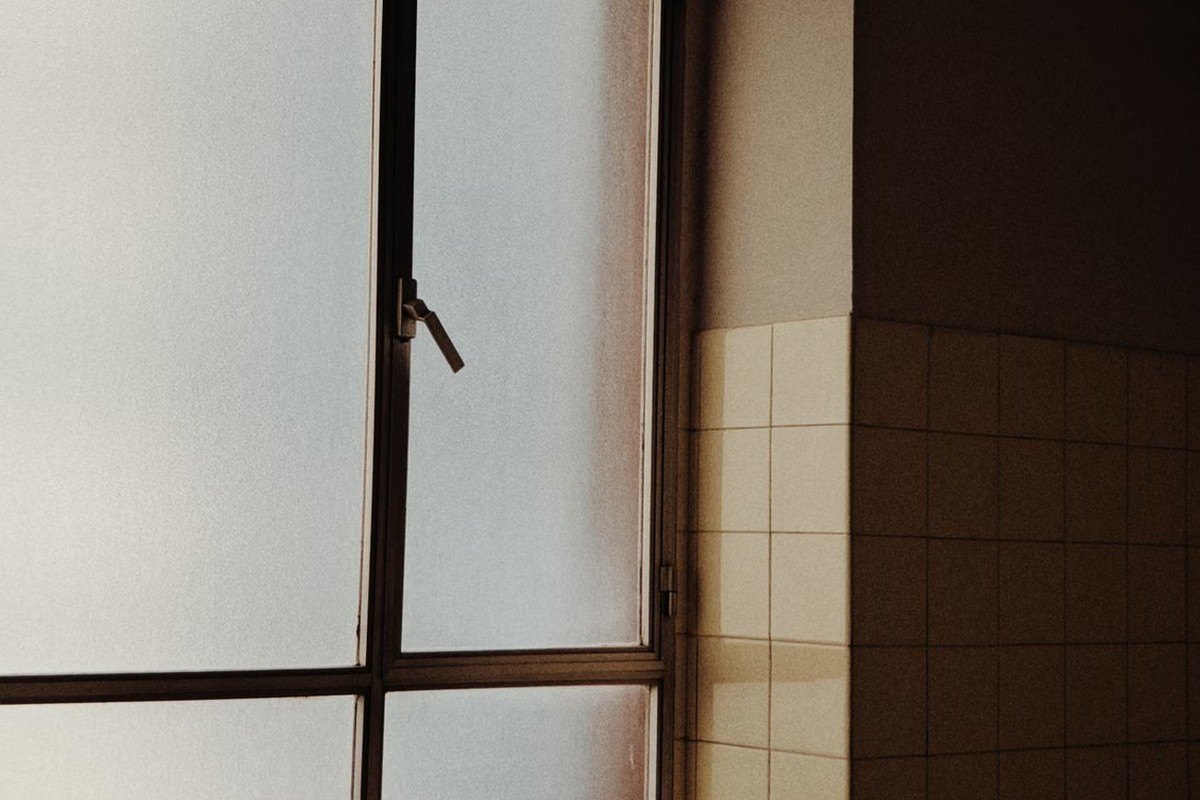
Bathroom window privacy comparison
| Option | Daylight | Adjustable | Typical use |
|---|---|---|---|
| Textured glass | Good diffusion | No | Permanent replacement |
| Satin glass | Even soft light | No | Minimal contemporary design |
| Frosted film | Varies by film | No | Retrofit to clear glass |
| Partial coverage | Retains clear upper light | No | Protecting a defined sightline |
| Blinds or shutters | Adjustable | Yes | Flexible privacy and light control |
| Separate opening section | Design-dependent | Yes | Privacy plus natural ventilation |
| Switchable glass | Changes by state | Yes | Premium controlled interiors |
The United Kingdom’s National Protective Security Authority lists reflective film, screen-printed film, tinted or electrically controlled glass, and etched glass among window obscuration approaches. For a home bathroom, the practical decision should also include moisture, cleaning, ventilation, night-time appearance and local window requirements.
Common bathroom privacy mistakes
- Relying on daylight only. Interior light at night can reveal silhouettes.
- Using mirror film as permanent two-way privacy. Reflective performance changes with the brighter side.
- Blocking the entire opening. Privacy should not make the room impossible to ventilate.
- Covering drainage or seals. Film and trim must not interfere with window function.
- Choosing a non-moisture-resistant blind. Damp materials are harder to keep clean.
- Ignoring safety glazing. Confirm the correct glass specification for the location and window design.
- Replacing an HDB window without the correct contractor. Follow current HDB and BCA requirements.
Singapore’s Building Control requirements address adequate ventilation for buildings, and bathroom designs may use natural or mechanical ventilation depending on the applicable conditions. For HDB window installation or replacement, consult the current HDB window-work guidelines and engage the required approved contractor.
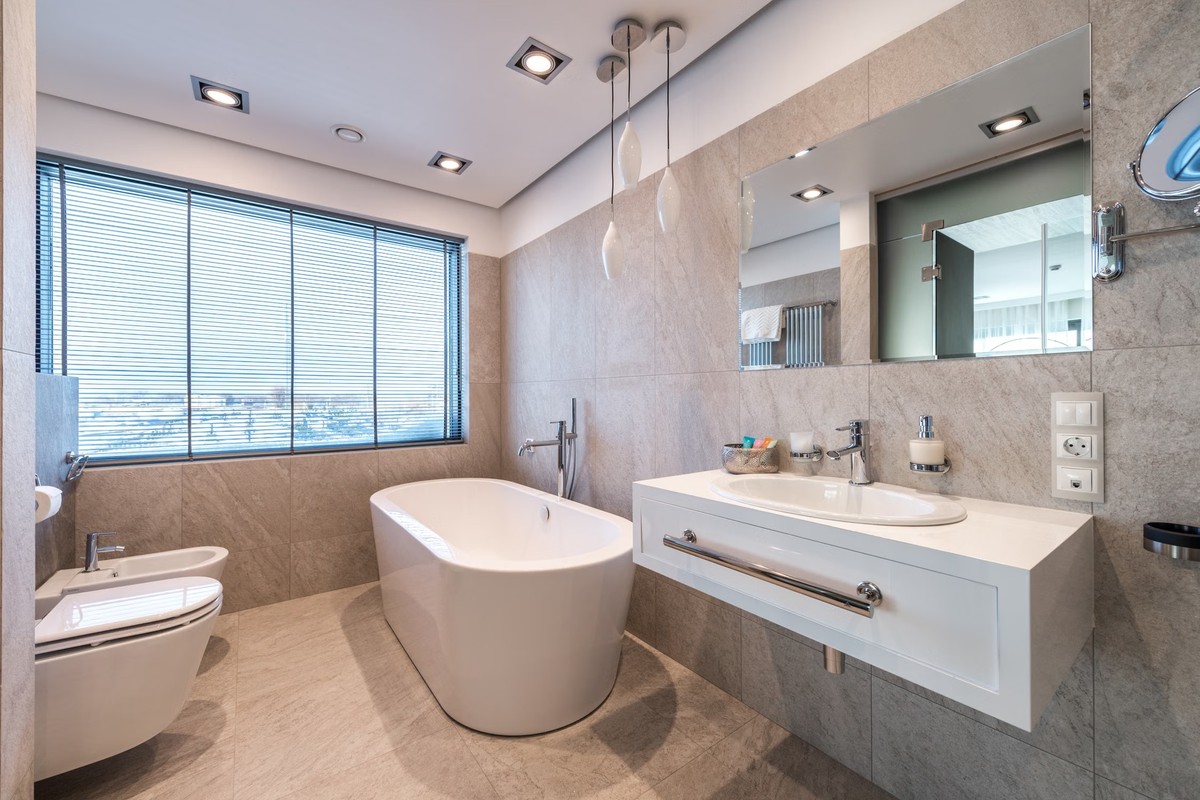
A simple privacy test before you buy
- Measure the glass and the height of important sightlines.
- Take daytime photos from inside and outside.
- Repeat after dark with the bathroom lights on.
- Check visibility from corridors, neighbouring windows and mirrors.
- Confirm how the chosen option affects ventilation and cleaning.
- Request a sample and test it at the real distance before ordering.
For a permanent replacement, combine the privacy decision with frame type, opening direction, insect control, rain management and safe glazing. Explore Forge Windows’ casement windows, sliding windows and completed projects.
Frequently asked questions
Is frosted glass completely private at night?
Not always. Frosted glass removes detail, but a person close to the pane may still create a visible silhouette when the room is brightly lit. Test the actual sample from the expected outside distance after dark before treating it as complete privacy.
Does one-way mirror film work in a bathroom at night?
Reflective privacy depends on the light balance. When the bathroom is brighter than outside, the view can reverse and allow people outside to see in. Use an additional night-time privacy layer or choose an obscuring product that does not rely on reflectivity.
Can privacy film be installed on any window?
No. Compatibility depends on glass type, coating, tint, insulated-unit construction and heat exposure. Some films can increase thermal stress or affect warranties. Check the film and glass manufacturers’ requirements before installation, especially on coated or double-glazed units.
Which bathroom privacy option is easiest to clean?
A factory-made smooth obscure or satin glass surface is often simpler than layered fabric treatments, but the correct answer depends on which side is textured and the approved cleaning method. Films need careful edge cleaning, while blinds contain more slats and hardware.
Planning a private bathroom window? Contact Forge Windows with the opening dimensions, inside and outside photos, preferred ventilation and the required privacy sightlines.