Scratched window glass may be repairable when the mark is shallow and limited, but deep scratches, chips, cracks, edge damage and scratches on special coatings need professional assessment. Begin by cleaning the pane with plenty of clean water and a soft cloth so you can distinguish a real scratch from paint, sealant, metal transfer or mineral deposits. Avoid toothpaste, abrasive pads, razor blades and uncontrolled power polishing.
Professional polishing removes a very small amount of glass around a scratch. Poor technique can create haze, optical distortion or heat damage, so replacement may be the safer choice when the defect is deep, extensive, near an edge or affects the view through an important pane.
Key takeaways
- Confirm that the mark is in the glass, not material sitting on the surface.
- Rinse grit away before wiping, because trapped particles can create more scratches.
- Never experiment with abrasives on coated, tinted or filmed glass.
- A crack, chip, edge defect or deep groove is not a cosmetic polishing job.
- Ask a specialist to compare restoration cost, visual result and replacement risk.
Contents
- Is it really a scratch?
- Common causes
- Repair or replace?
- Safe cleaning checklist
- Frequently asked questions
How to tell whether window glass is scratched
Look at the mark from several angles in daylight. A scratch usually stays in the same position while reflections move. Surface residue may soften, change or disappear after appropriate cleaning. A line that catches dirt can look deeper than it is, so do not judge until loose contamination has been removed safely.
Do not use a fingernail test as the only decision. A groove that can be felt is more concerning, but glass type, coating, scratch length, location and depth all affect the repair choice. Mark the ends with removable tape on the frame—not on a coating—then photograph the pane straight on and at an angle.
What commonly scratches architectural glass?
Construction grit and mortar
Sand, plaster, mortar and other debris can be dragged across the pane during the final clean. Pilkington’s architectural glass durability guidance identifies handling, follow-on trades, scrapers and grit in cleaning cloths as common sources of abrasion.
Dirty squeegees and cloths
A cloth can pick up a hard particle and carry it across the entire pane. Reusing water, wiping a dry dusty surface or allowing the rubber edge of a squeegee to become damaged increases the risk.
Metal tools or razor blades
A blade may catch hard contamination and drag it across the glass. Metallic contact can also leave a mark that resembles a scratch. Special coated glass can be particularly sensitive to unsuitable tools and chemicals.
Contact with hardware, ladders or furniture
A loose handle, blind component, ladder, moving panel or renovation material can rub the same line repeatedly. Find and remove the contact source before repairing the glass, or the new surface may be damaged again.
Welding and grinding particles
Hot metal particles can fuse to or pit a glass surface. This is different from a simple shallow scratch and usually needs specialist inspection rather than household polishing.

Scratched window glass: repair, polish or replace?
| Condition | Likely next step | Reason |
|---|---|---|
| Residue or metal transfer | Manufacturer-approved cleaning | The glass may not be physically cut. |
| Short, shallow surface scratch | Professional polishing assessment | Controlled restoration may improve it. |
| Deep, wide or extensive scratch | Compare polishing with replacement | Heavy material removal can distort the view. |
| Scratch on coated or filmed surface | Identify the product first | Polishing may remove or damage the layer. |
| Crack, chip or edge damage | Urgent glazing assessment | This is a possible safety defect, not a cosmetic mark. |
Professional glass polishing works by reducing the surrounding surface toward the lowest part of a scratch and then restoring clarity. The operator must manage the repaired area, temperature and optical quality. If a clear view is critical, even a structurally acceptable repair may be rejected because of visible distortion.
Replacement is often more appropriate when the pane is cracked, chipped, deeply gouged, extensively damaged, already fogged between panes, or contains a damaged coating. For an insulated glass unit, replacing only one face on site is generally not the same as restoring the original sealed unit; the glazing supplier should identify the correct assembly.
Safe cleaning before a scratch inspection
- Check whether the pane has a coating, tint or applied film.
- Rinse with clean water to float away loose grit.
- Wash gently with a clean soft cloth and mild compatible solution.
- Rinse the cloth frequently so particles are not dragged across the pane.
- Use a clean rubber squeegee only after the surface is free of grit.
- Stop if the mark does not respond to normal cleaning.
Pilkington’s glass cleaning guidelines recommend thoroughly rinsing dust, stones and sand before gentle cleaning. Vitro Architectural Glass provides similar advice in its TD-142 glass cleaning recommendations.

How to prevent window glass scratches
- Protect glass during plastering, grinding and metal work.
- Remove wet cementitious splashes promptly using approved methods.
- Use clean buckets, cloths and squeegees for each cleaning stage.
- Keep metal tools and abrasive pads away from the pane.
- Inspect new glazing before other trades leave the site.
When replacement is the better option, the new pane must match the required glass type, thickness, coating, safety treatment and insulated-unit construction. Browse Forge Windows’ window product range and project examples before requesting a specification.
Frequently asked questions
Can toothpaste remove scratches from window glass?
Toothpaste is an uncontrolled abrasive and is not a reliable method for architectural glazing. It may create haze, leave residue or affect a coating while failing to remove the groove. Use manufacturer-approved cleaning first, then ask a glass professional about controlled polishing.
Can a scratched double-glazed window be polished?
Sometimes a shallow scratch on an accessible uncoated surface can be assessed for polishing, but the glass build-up and coating location must be identified first. A scratch between panes, seal failure, crack or damaged coating normally changes the repair decision.
Does a scratch weaken window glass?
Surface damage can concentrate stress, but risk depends on depth, location, glass type and loading. A deep scratch, edge damage, chip or crack should be assessed promptly. Do not assume a visible line is harmless or try to grind it away aggressively.
Who should inspect scratched glass at height?
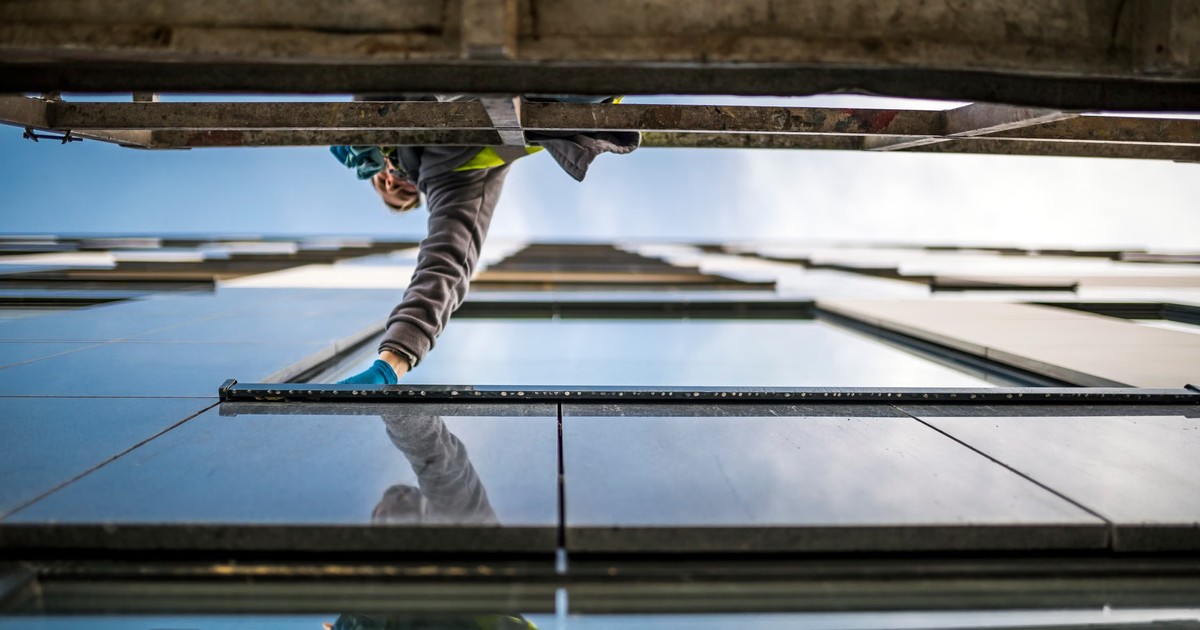
Use a trained glazing or façade professional with appropriate access and safety equipment. Do not lean outside, climb on furniture or attempt exterior polishing from an open window. Provide photos from inside and describe when the damage first appeared.
Need help comparing replacement options? Contact Forge Windows with a full-pane photograph, close-ups from two angles, approximate dimensions and any known glass specification.