A sliding window that will not lock usually has a misaligned latch and keeper, dirt preventing the panel from closing fully, worn rollers, loose hardware or a distorted track. Do not force the handle. First clean the track, close the panel gently and check whether the latch lines up with its receiving plate. If the sash feels loose, lifts unusually, or the safety stopper or angle strip is missing, stop using the window and contact an approved window contractor.
This guide is for homeowners, landlords and property managers who need to decide whether a simple cleaning step is enough or whether the window needs a hardware and safety inspection.
Key takeaways
- Never force a window handle that has stopped before reaching the locked position.
- Clean the track before adjusting any hardware.
- A latch that misses by a few millimetres often points to roller or sash alignment.
- Do not remove safety stoppers or angle strips to make the panel move farther.
- A loose, lifting or poorly retained panel needs professional attention.
Contents
- A two-minute lock check
- Seven common causes
- Safe fixes to try
- When to call a contractor
- Frequently asked questions
Sliding window won’t lock? Start with this check
- Open the sash slightly and move the handle without forcing it. Confirm that the latch moves.
- Vacuum loose debris from the track and wipe it with a damp cloth.
- Close the sash slowly while watching the meeting rails and lock area.
- Check whether the latch sits above, below or beside the keeper.
- Stop if the sash rocks, lifts excessively or feels unstable.
If the handle works while the window is open but not when the sash is closed, alignment or incomplete closing is more likely than a broken handle. If the handle does not operate in either position, the lock mechanism itself may be jammed or damaged.
Seven reasons a sliding window lock stops working
1. Dirt keeps the sash from closing fully
A small pile of grit at the jamb can leave a gap that is difficult to notice. The latch then falls short of the keeper. Clean the end of the track as well as the main running surface, then test the window gently.
2. The latch and keeper are misaligned
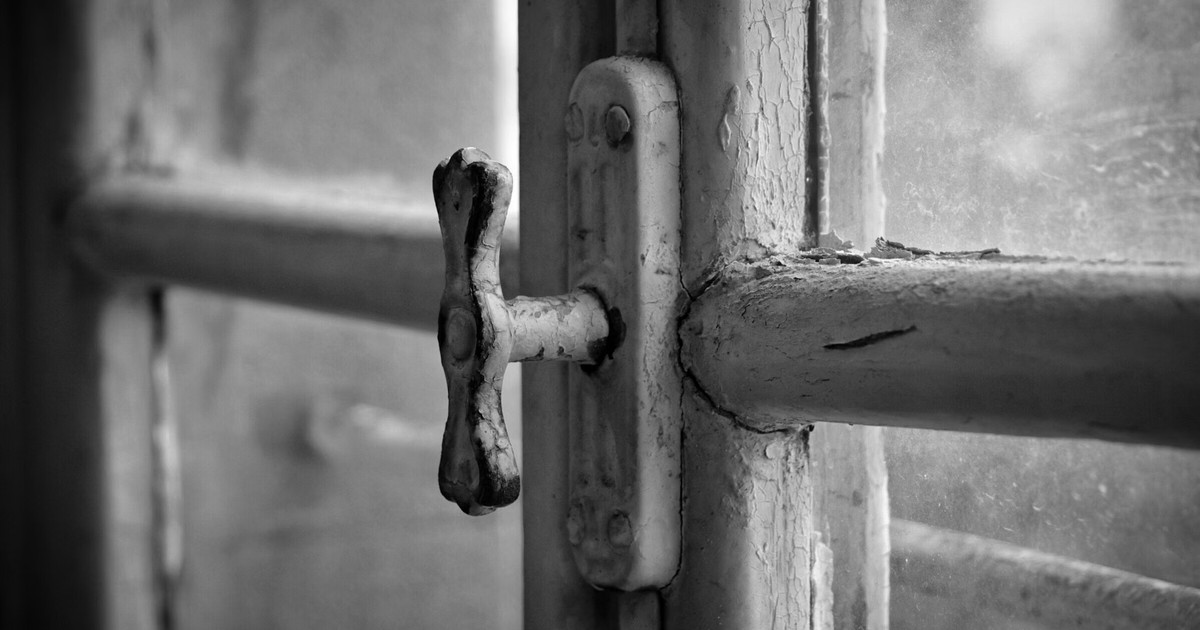
The moving latch must enter or pass over a fixed receiving part. If the sash has dropped, the keeper has loosened or the frame has shifted, the two parts no longer meet. Scrape marks near the keeper are a useful sign of misalignment.
3. Worn rollers have lowered one side of the sash
A damaged roller can make the panel sit lower at one corner. You may notice a sloping meeting line, one-sided rubbing or a window that has recently become harder to slide. Adjusting only the lock will not solve a roller problem.
4. The handle or internal latch is loose
A spinning, floppy or unusually stiff handle may not be transferring movement to the latch. Do not keep turning it past its normal stop. Further force can break an internal component or make the window difficult to reopen.
5. The track or frame is distorted
A dent, impact or installation movement can prevent the sash from reaching its closed position. Look for a repeated hard point, an uneven gap or a corner that touches before the rest of the panel.
6. Weather seals are folded into the closing path
A displaced brush seal or gasket can behave like a physical obstruction. Pulling it out may create a water or air gap, so have the correct seal refitted or replaced rather than cutting it away.
7. A safety component is missing or damaged
Sliding windows may use safety stoppers and angle strips to keep panels within their tracks. The Building and Construction Authority window checklist tells owners to confirm these parts are in place and that the panel slides smoothly. A lock repair must not compromise those retention features.
Safe fixes you can try from inside the room
- Vacuum and wipe the track. Remove grit before operating the sash again.
- Clean the latch area. Use a soft brush and dry cloth; avoid flooding the mechanism.
- Tighten only an obviously loose accessible screw. Use the correct screwdriver and stop if the part moves out of position.
- Test the handle gently. Do not add an extension or tool for more leverage.
- Record the misalignment. Take close-up photos with the sash almost closed for the contractor.
The BCA’s maintenance tips include removing dirt from moving parts, tightening loose screws and replacing damaged safety components. Use only cleaning and lubrication methods suitable for the specific hardware and finish.
When does a window lock need professional repair?
Arrange an inspection when cleaning does not restore alignment, the sash has dropped, rollers are worn, the frame is bent, the handle is internally damaged, or any safety stopper or angle strip is loose or missing. Stop using a panel that can be lifted or pushed outward abnormally.
BCA recommends checking and maintaining windows at least once every six months and using an approved window contractor for relevant repair work. For HDB flats, the HDB window-work guidance requires an approved contractor for window installation and replacement.
How to prevent another lock problem
- Clean tracks and closing pockets regularly.
- Close the sash gently before moving the handle.
- Investigate rubbing, rattling or uneven gaps early.
- Check that visible screws and safety parts remain secure.
- Do not hang objects from handles or add unapproved locking devices.
If repeated lock and roller problems indicate that the old system is no longer economical to repair, compare replacement configurations on the Forge Windows sliding window page or review more completed projects.
Frequently asked questions
Why does the window lock only when I lift the sash?
The sash has probably dropped relative to the keeper, often because of roller wear or adjustment. Lifting it temporarily lines up the latch but does not correct the cause. A contractor should inspect the rollers, panel support, lock alignment and safety retention before adjusting the hardware.
Can I move the keeper plate myself?
Moving the keeper may hide a dropped sash or worn roller. If the window previously locked correctly, diagnose why the alignment changed first. A small accessible adjustment may be possible on some systems, but a heavy or elevated sash should be inspected professionally.
Is a secondary stick in the track a safe replacement for the lock?
A track stick may restrict opening, but it does not repair the original latch or confirm that the panel is safely retained. Treat it only as a temporary access-control measure if appropriate, and arrange proper repair rather than relying on it as the complete security solution.
When is a faulty sliding window lock urgent?
It is urgent when the window opens onto an accessible exterior area, the panel feels loose, children can reach it, or safety stoppers and angle strips are missing. Keep the opening secured without forcing the sash and contact an approved window contractor promptly.
Need help with a replacement specification? Contact Forge Windows with full-frame photos, a close-up of the latch and keeper, and a short video of the closing problem.