Mould around window frames is a moisture problem first and a cleaning problem second. The moisture may come from indoor condensation, a leaking window joint, trapped water in a track or a hidden wall leak. Clean only a small, accessible area yourself, use sensible protective equipment, and fix the source of moisture—or the mould is likely to return.
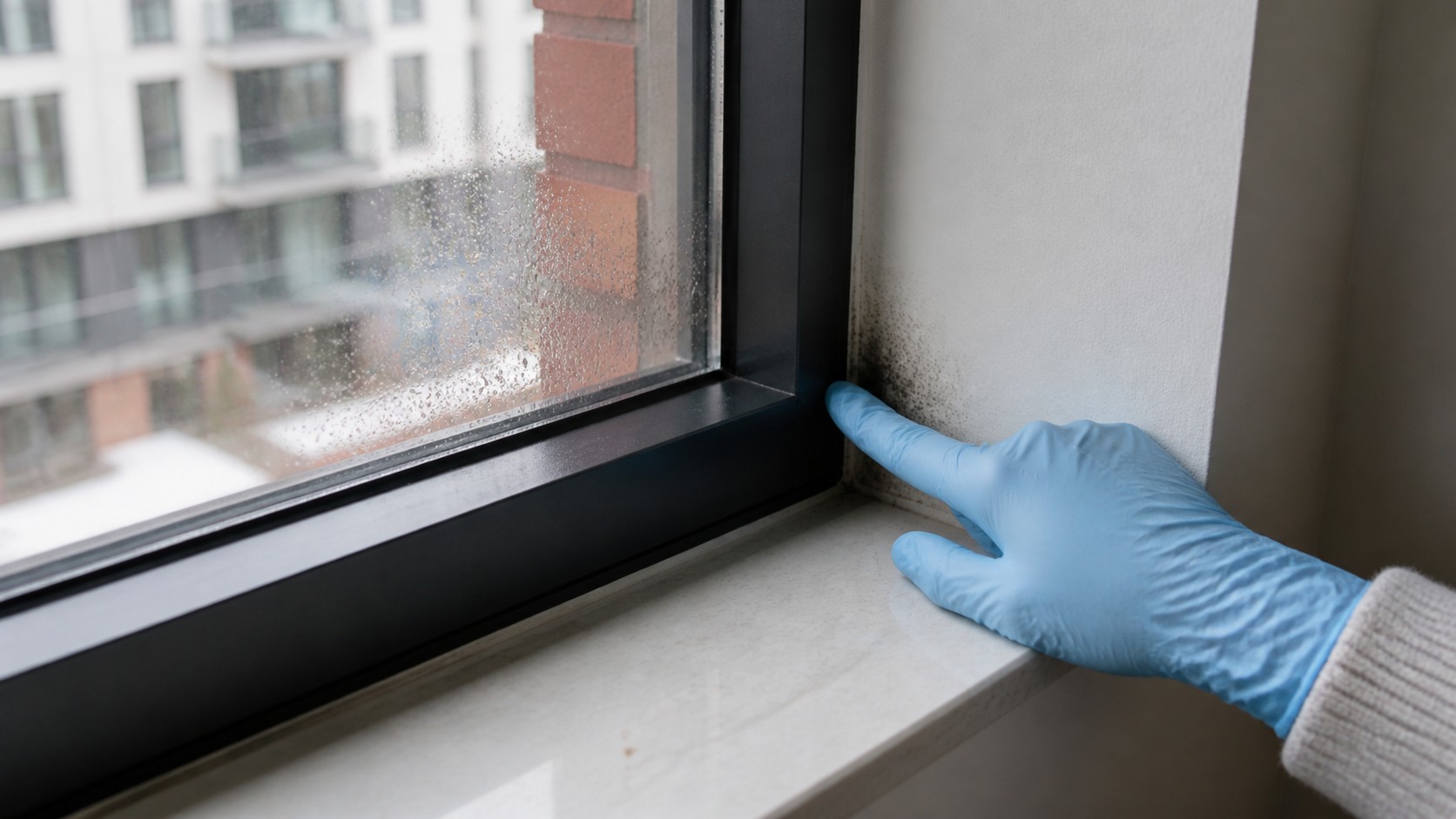
Dark spotting on a gasket or wall reveal can look similar even when the causes are different. In Singapore’s warm, humid climate, cold glass and aluminium surfaces can collect condensation in air-conditioned rooms, while wind-driven rain can expose a failed external joint. This guide helps homeowners separate those causes and decide when routine cleaning is enough.
First, determine whether the moisture is condensation or a leak
Do not start by spraying cleaner over everything. Dry the area and observe when the water returns. The timing and location are useful clues:
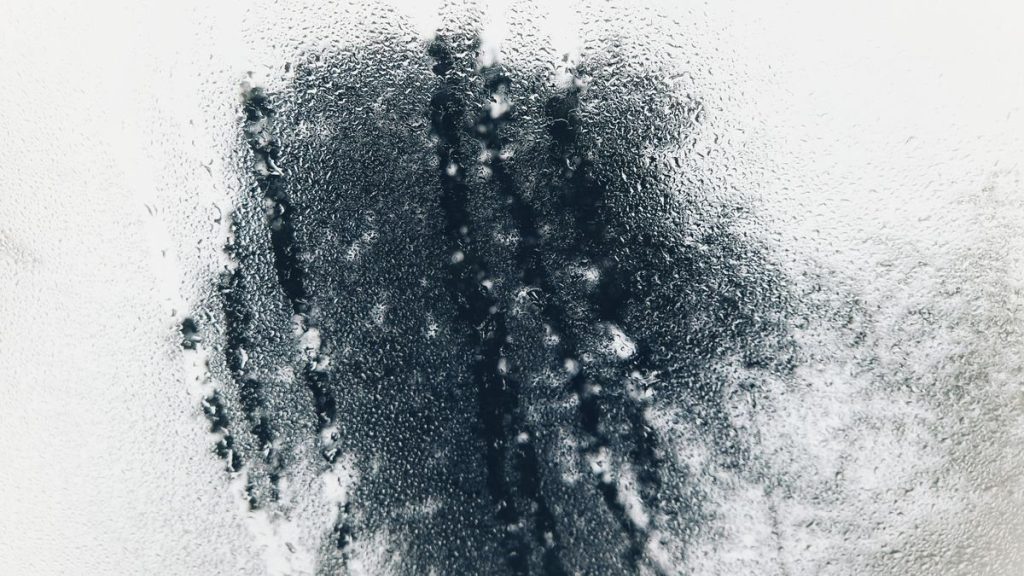
- Condensation: fine droplets form on the room-facing glass or frame, often after prolonged air-conditioning or moisture-producing activities.
- Window leakage: dampness appears during or soon after rain, especially at corners, sill joints or the frame-to-wall perimeter.
- Track overflow: water collects in a sliding track because drainage paths are dirty, obstructed or unable to cope.
- Hidden wall moisture: paint bubbles, plaster softens or the damp patch extends beyond the window.
Condensation can be a sign of high indoor humidity, according to the U.S. Environmental Protection Agency (EPA). A simple humidity meter and a short symptom log can help: note the room conditions, air-conditioning use and whether rain occurred. If mould is inside a sealed double-glazed unit rather than on a cleanable surface, the glazing seal may have failed and the unit needs assessment.
Why mould grows around window frames
Cold surfaces and persistent condensation
Warm humid air can condense when it contacts a cooler pane, metal frame or surrounding reveal. Repeated wetting supplies the moisture mould needs. Curtains pressed tightly against the glass, furniture blocking airflow and a room kept closed for long periods can slow drying. The answer is not simply to raise the air-conditioner setting; reduce moisture sources and improve safe air movement as well.
Failed weather seals or perimeter joints
Rainwater may pass through a deteriorated gasket, a damaged corner joint, failed perimeter sealant or the surrounding façade. A stain that grows only after storms is a strong reason to arrange a water-path inspection. Repainting the interior reveal may hide the mark temporarily but will not repair the external route.
Blocked drainage paths
Many sliding windows and doors manage incidental water through designed tracks and outlets. Dirt, insects, paint or previous DIY sealant can obstruct those routes. Water then remains against seals and finishes or spills indoors. Clean loose debris carefully, but do not enlarge, drill or block an opening unless the window system has been positively identified.
Porous materials that stayed wet
Silicone, paint, plasterboard, timber trim, curtains and fabric blinds behave differently after wetting. A hard aluminium surface may be cleanable, while a porous material can hold contamination below the visible face. EPA guidance says mouldy absorbent materials may need replacement when they cannot be completely cleaned and dried.
Mould around window frames: a safe cleanup sequence
For a small, accessible patch on a hard surface, first stop active water entry and ventilate the space safely. Wear gloves and eye protection, keep children and anyone especially sensitive away from the work area, and follow the product label for any cleaner you use. Never mix cleaning products.
- Photograph the area before cleaning so you can compare recurrence.
- Remove curtains, papers and other movable items from the damp zone.
- Wipe the hard surface with water and a mild detergent suitable for the window finish.
- Avoid flooding tracks, hardware, wall cavities or electrical points.
- Dry the glass, frame, seals and surrounding surface completely.
- Discard single-use cloths safely and wash reusable tools.
- Recheck the area after rain and after several air-conditioning cycles.
Cleaning is not complete if the moisture source remains. The EPA’s central advice is to clean up mould promptly and fix the water problem. It also recommends acting quickly when condensation appears and drying wet materials within 24–48 hours where possible.
When not to clean it yourself
Seek professional help when the affected area is extensive, keeps returning, produces a strong persistent odour, follows significant flooding, or appears inside a wall or ceiling. People with asthma, allergies, respiratory conditions or immune concerns should seek appropriate medical advice before attempting cleanup. If symptoms occur, contact a healthcare professional rather than relying on a window article for diagnosis.
Also stop if the window is loose, difficult to operate, has corroded fasteners or requires leaning outside. Window safety comes first. Singapore BCA advises regular checks and maintenance because windows deteriorate through weather exposure and wear; installation and retrofitting require approved contractors or builders with trained installers.
Choose the fix that matches the moisture source
| Confirmed source | Corrective direction | What will not solve it |
|---|---|---|
| Room-side condensation | Reduce moisture generation, improve ventilation or dehumidification, and increase air movement at the window | Painting over the patch |
| Damaged sash gasket | Replace with a compatible profile and confirm sash alignment | Generic tape over the joint |
| Failed frame-to-wall seal | Remove failed material and rebuild the joint with a compatible system | Adding sealant over wet or dirty surfaces |
| Blocked track drainage | Clean the designed channel and assess missing or damaged components | Sealing every opening |
| Hidden wall or façade leak | Trace and repair the building-envelope path | Replacing only the interior silicone |
How to reduce condensation at windows
Control moisture at its source. Use kitchen and bathroom exhaust where available, dry wet surfaces promptly, and avoid drying large amounts of laundry in a closed room without ventilation. Keep air paths around the glass open rather than trapping humid air behind a tightly closed curtain. A dehumidifier can help where appropriate, but its water container and filters must be maintained.
EPA guidance suggests keeping indoor relative humidity below 60% where possible, ideally between 30% and 50%. In a tropical location, the practical setting will depend on the space and cooling system; the useful principle is to measure the condition and reduce persistent surface wetness rather than chase a number blindly.
If condensation is frequent despite good moisture control, discuss glazing and frame performance with a window professional. A correctly specified casement window or sliding window still needs proper fabrication, installation, seals and drainage. No window can compensate for an unresolved water leak or uncontrolled indoor humidity.
What not to do
- Do not paint, caulk or wallpaper over visible mould.
- Do not mix bleach with ammonia or any other cleaning product.
- Do not scrub a large area without isolating the work and assessing the source.
- Do not direct a powerful fan at established mould; it may spread contamination.
- Do not block window drains to stop water at the sill.
- Do not replace cosmetic sealant while the joint is still wet.
Build a prevention routine
Inspect the window after heavy rain and after long periods of cooling. Wipe condensation promptly, clean tracks, keep drain routes clear and look for seal separation, cracked perimeter joints, loose hardware or spreading wall stains. Photographing the same corner monthly makes slow changes easier to recognise.
If mould returns in the same place after careful cleaning and drying, treat recurrence as evidence that the source has not been solved. A contractor can test sash compression, drainage and perimeter joints; a building or façade specialist may be needed when moisture extends beyond the window assembly.
Frequently asked questions
Is black spotting around a window always dangerous mould?
No. Dirt, deteriorated sealant and biological growth can look similar, and colour alone does not identify a mould species or health risk. Treat unexplained growth cautiously, avoid disturbing a large area, and focus on the moisture source. Professional assessment is sensible when the area is extensive, recurring or linked to health concerns.
Can I clean mould from silicone seals?
Surface growth may clean from intact non-porous sealant, but staining or growth embedded in deteriorated silicone can remain. If replacement is needed, the joint must be dry, the old material removed appropriately and the new sealant compatible with the frame and substrate. Replacing silicone before correcting leakage or condensation will not prevent recurrence.
Does opening the window prevent mould?
Ventilation can help remove indoor moisture when outdoor conditions and safety allow, but opening a window during very humid or rainy weather may not dry the room. Use source control, exhaust ventilation, air-conditioning or dehumidification as appropriate, and keep the window area able to dry. Never compromise child or high-rise window safety.
Why does mould return after cleaning?
Cleaning removes visible growth but does not automatically stop condensation, rain leakage, blocked drainage or hidden dampness. Recurrence in the same pattern is a diagnostic clue. Record when it appears, inspect after rain and cooling cycles, and arrange a moisture-path assessment before applying more paint or sealant.
Conclusion
Mould around window frames will keep returning until the window area can stay dry. First distinguish condensation from rain leakage and hidden moisture. Clean only a small, accessible hard surface with suitable protection, dry it fully, and monitor it. Escalate recurring, extensive or inaccessible growth and any loose or corroded window components.
For help tracing whether the moisture enters through a sash, track or frame joint, contact Forge Windows with photos taken before cleaning and, if relevant, during or just after rain.
Sources: U.S. EPA — A Brief Guide to Mold, Moisture and Your Home; U.S. EPA — Biological Contaminants and Indoor Air Quality; Singapore BCA — Windows Safety.