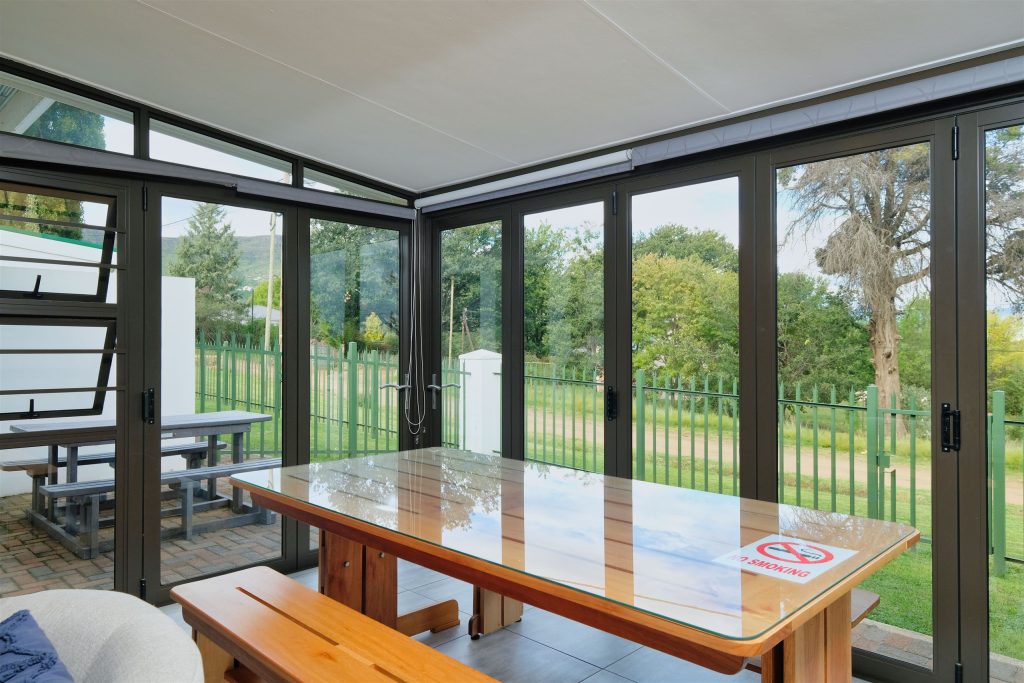
For a Singapore condominium refurbishment, a procurement coordinator may receive an area-based offer for custom sliding windows alongside prices per unit or per set. A small-looking rate is difficult to interpret until everyone knows what one charged quantity represents.
When window quotations use different charging units, compare the quantity behind each line before comparing its rate. Identify the physical items covered, the count or area being charged and how the subtotal was calculated. Then ask for each offer to be shown against the same list of openings.

Find the object behind the charging unit
Start with the opening references already used for the project. Ask which references each quotation line covers. If a line groups several windows, have the supplier identify that group rather than leaving it as “bedroom windows”. Our window-schedule guide explains the wider opening record.
Next, ask what the supplier means by one unit or one set. Does it identify a complete opening, an individual panel or a stated group of openings? Four visible panels should not become four charged units by assumption. Keep the definition attached to the line that uses it.
Make the area basis explicit
For an area-based line, ask for the dimensions or area record behind the quoted quantity and the measurement reference used. Establish whether it represents the complete framed arrangement, the building opening or another stated basis. Do not substitute your preferred width and height without the supplier confirming what its rate applies to.
Keep the area unit visible as well. Square metres and square feet must not disappear into an unlabelled “area” column. If conversion is needed, retain the original quantity and ask for the equivalent quantity on the agreed basis, with the calculation shown.
Put the same openings through each calculation
The following example assumes three identified openings, A, B and C. It contains no prices. The definitions are chosen only to illustrate the comparison; they are not standard charging rules.
| Basis on the offer | Assumed quantity covering A, B and C | Subtotal to reproduce |
|---|---|---|
| Per square metre | The combined billable area, using the agreed measurement reference | That area × the quoted area rate |
| Per unit | Three units, where this offer defines one unit as one complete opening | Three × the quoted unit rate |
| Per set | One set, where this offer explicitly groups A, B and C together | One × the quoted set rate |
The useful comparison is the resulting subtotal for the same three openings. Even after the set’s contents are established, dividing its price by three gives an average for that group. It does not show that another supplier’s “unit” means the same thing.
Resolve differences before ranking the totals
Ask the supplier to explain a quantity that you cannot reproduce. Check which openings are included, whether a repeated type has been counted once or multiplied, and whether the stated area basis matches the returned calculation. Keep any rounding or minimum-charge condition attached if the particular offer specifies one; do not invent a universal allowance.
If an opening or configuration changes, update the affected quantity before reusing the comparison. A previously checked subtotal belongs to the references and quantities it actually covered.
Our custom-door quotation guide covers the broader specification brief. For this quantity check, finish with a calculation another reviewer can follow: the defined item, its opening references, the agreed charging quantity and the rate that produces the returned subtotal.