
In a Singapore landed home, the dining area may double as a child’s play space while an adult clears dinner and opens the terrace doors. When comparing residential bifold doors, a “finger protection” description deserves a specific follow-up: which gaps on the proposed door does that feature cover?
Ask the supplier to identify the protected locations and explain the limits for that exact panel arrangement. A feature at one joint does not, by itself, establish what happens at every other moving edge. Make the answer part of choosing the door, alongside how your family will use the space.
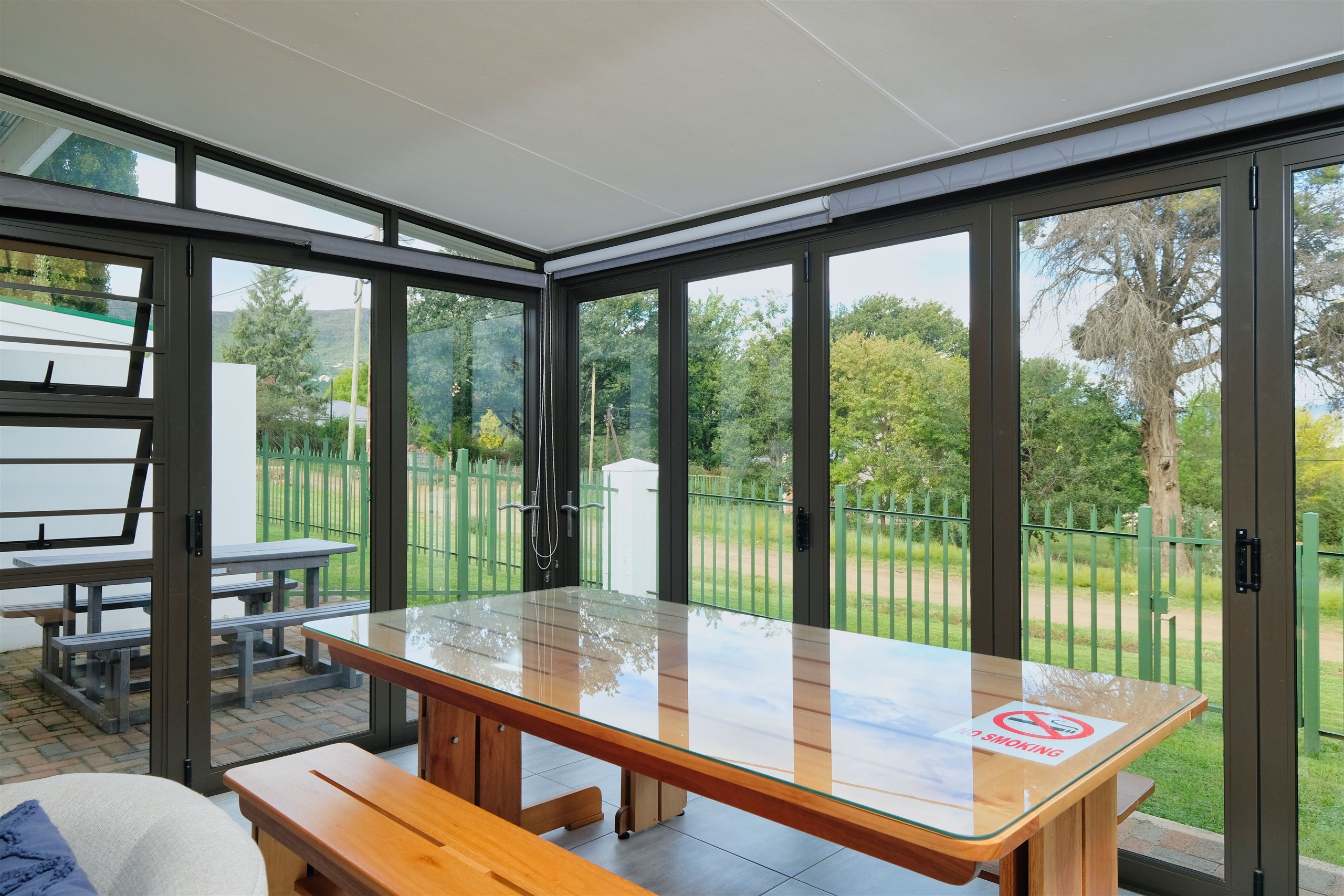
Put the claim next to the actual door
Start with the wording in the proposal. Is the supplier describing a particular gasket, a hinge-side guard or another named component? Ask for the relevant product information and a drawing showing its position. “Family friendly” is too broad to tell you which part you are buying.
For example, Origin’s safety guidance describes finger-safe gaskets on some bifold doors as cushioning the space between door sashes. That is a manufacturer’s description of its own products. It does not establish the features fitted to a different supplier’s door, or certify the proposed arrangement for your home.
Have the supplier distinguish the joints between folding leaves, the edges beside the outer frame and any separate access leaf. Ask which locations the stated protection addresses, on which side, and through which parts of normal movement. An unexplained location should remain a question, rather than becoming an assumed part of the claim.
Watch a demonstration with everyone clear
A demonstration should help you understand ordinary operation without testing protection against fingers. Keep children away from the moving panels, and have the representative use the designated handles and the instructions for the displayed configuration. Do not put a hand or an object into a gap to see what happens.
Look at the demonstration from a clear standing position. Ask the representative to explain where the operator should stand, which handles they should use and where other people should wait. If the display differs from the quoted folding door systems, ask what can actually be carried across from that demonstration.
These are practical differences between configurations. Express Bi-Folding Doors’ operation page, for example, separates demonstrations for its doors with and without a traffic leaf. Use the instructions for the door being supplied; a familiar movement on another set is not a substitute.
Choose a routine the whole household can follow
Return to the dining room layout. Where will a child be playing when someone wants to open the terrace? Can another adult keep that area clear without moving through the panels’ path? Include grandparents or a helper who will regularly use the door in the handover explanation.
If everyday trips outside are also part of the decision, our guide to an independent access leaf addresses that separate need. A convenient passage and a documented finger-protection feature should each be confirmed on their own terms.
Before ordering, keep the component description, the locations it covers and the operating guidance with the selected configuration. Ask what inspection or care it requires. If the reply remains vague, leave that part of the choice open. The useful result is a door arrangement and a household routine everyone understands, rather than a reassuring phrase nobody can explain.