Article summary: Before ordering a hinged glass door, connect the suppli…
From a Singapore condo’s hallway, you describe a proposed study door as opening to the left. Someone standing inside the study may use the same words while picturing the opposite arrangement. That is a poor starting point for an order, even when everybody agrees on the glass and frame colour.
Before confirming the door, agree its position on one drawing with the rooms and viewing side identified. Have the supplier connect its handing description to that drawing. “Left” or “right” should refer to the same proposed arrangement for everyone, rather than to whichever side they happened to be standing on.
Give the opening a location before giving it a hand
Name the spaces on either side: hallway and study, for example. If there is more than one similar doorway, identify this opening separately. A cropped photograph of a frame can lose the room information that makes the direction understandable.
Use the proposed plan to show the hinge side, the door leaf’s normal opening movement and the handle position. Ask the designer and supplier to resolve any disagreement between that plan and the written description before the order is released.
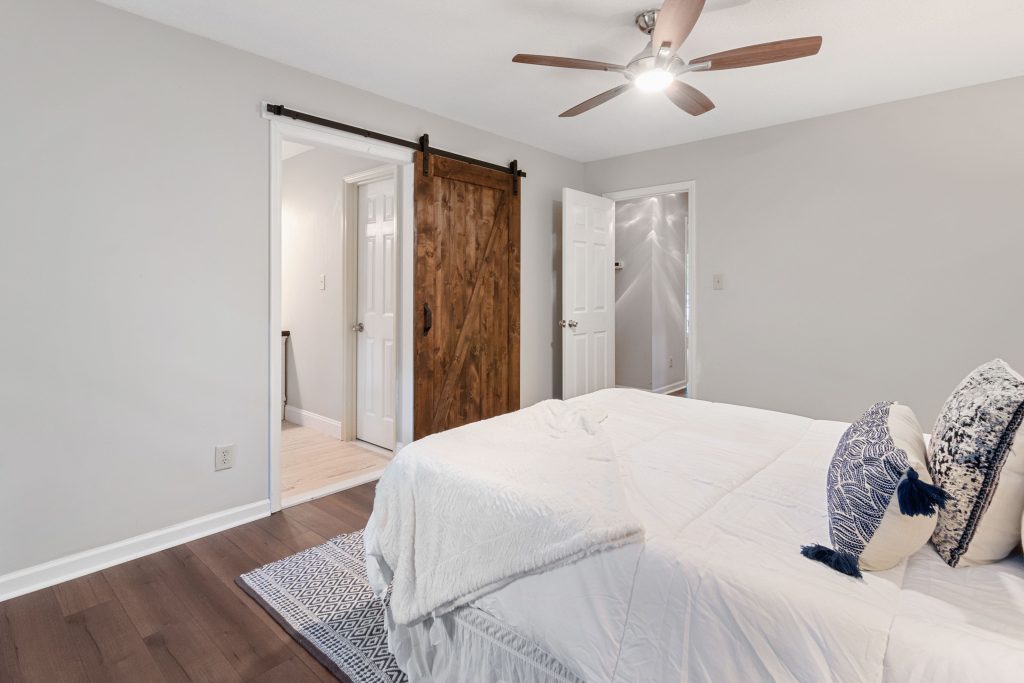
This is especially useful when comparing right- and left-swing doors in a compact home. The aim is not to memorise a naming trick. It is to make the intended doorway recognisable in the room plan, including the side into which the leaf is meant to open.
Let the supplier name the arrangement it is supplying
A quotation marked “right inswing door” still needs a clearly identified reference side. Ask which side the supplier’s description uses and have that name placed alongside the agreed arrangement. Do not reverse the sketch yourself to make its wording look familiar.
If the supplier proposes a different direction, have the reason and the resulting drawing reviewed together. Changing a label is not the same thing as changing the door’s intended movement. Keep the people choosing the room layout involved when that movement changes.
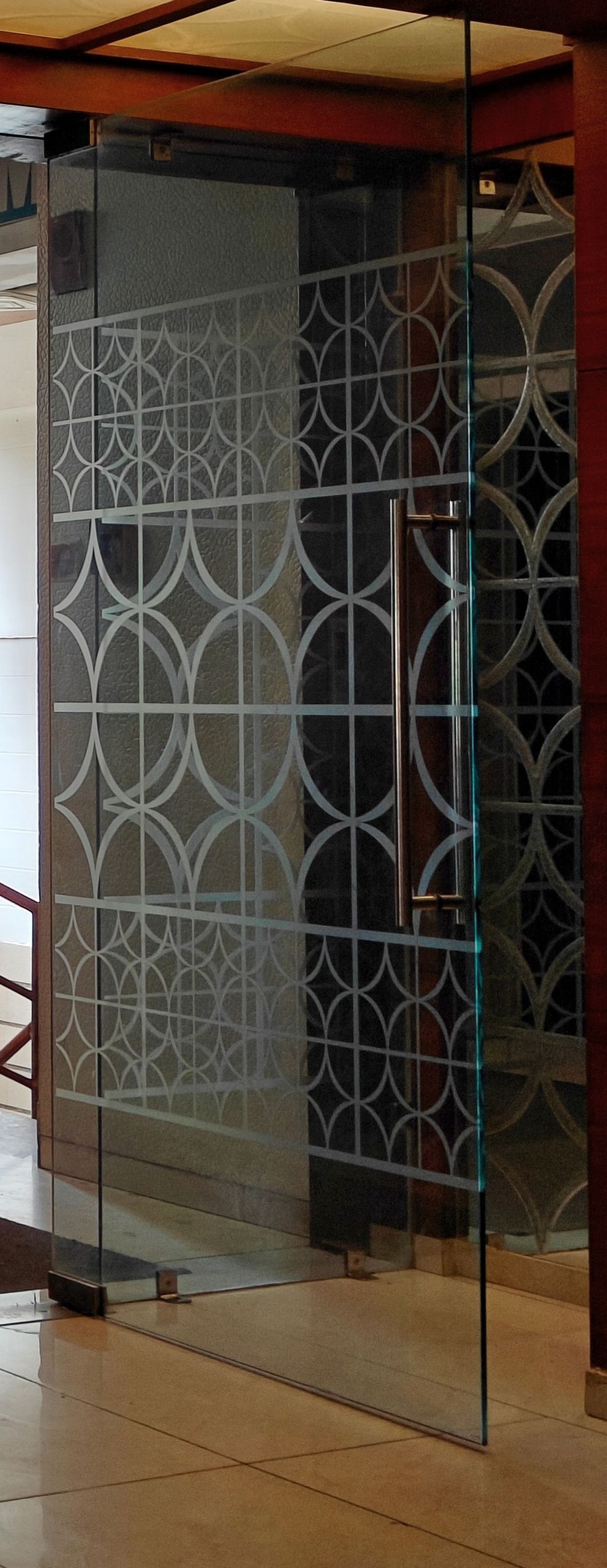
For hinged glass doors, use the proposed complete door set rather than a similar display as the reference. A photograph from another home may show an attractive handle and frame, but it does not identify your opening or settle how your chosen assembly is to be ordered.
Keep the door description and hardware description connected
There is a useful distinction in Schlage’s handing explanation: handing for locks and levers differs from handing for carpentry. The door description and the hardware order therefore need to be checked against the relevant product information.
Allegion’s guidance for a handed lever is more specific: ordering a lever on its own requires that lever’s hand, rather than simply the door’s hand. These are product-specific examples of why matching a word across two order lines is insufficient.
Have the supplier identify the proposed hardware for the agreed door arrangement. Leave compatibility and any changes to the responsible professionals. Do not assume a handle or glazed door can be reversed later, or order a replacement component from its appearance alone.
Confirm the same version before ordering
Return to the labelled room plan when the quotation is finalised. If the opening direction or hardware changes, have the related information updated together. Keep the agreed version with the order so the next person does not have to reconstruct the choice from a short message.
Our Singapore landed-home door guide offers wider interior-door examples. For your own study, settle the smaller but consequential question first: does the drawing show the same door movement that the supplier’s order description means?