Article summary: Factory readiness and site readiness need to meet. Plan…
A batch of custom sliding windows can be ready at the supplier while its intended floor is still occupied by another trade. On a Singapore condo, office or mixed-use project, that gap needs resolving before a delivery is booked. An early arrival may simply move the waiting stock into a place the site team had reserved for something else.
Plan each batch around the areas that can receive it, the arrival arrangements and the people responsible for accepting it. Keep the supplier’s production update alongside the site’s readiness confirmation, so “ready” has an agreed meaning when someone asks whether to dispatch.
Connect the batch to the next available work area
Start with the current construction programme. Consider a project where one floor is available for window work while the next remains with the preceding trade. Ask the installation coordinator which openings belong in the next delivery and which must wait. A floor number alone may conceal several areas with different readiness dates.
Use the approved opening references to identify what is included. Our mixed-use window schedule guide explains that identification task. The delivery decision adds another question: can the receiving area accept this particular group now? Keep a change in delivery sequence separate from a change to the approved window configuration.
Turn the proposed arrival into a booked arrangement
A requested delivery date needs a site contact who can confirm the arrival arrangements. Check the gate or loading-bay details, the proposed time slot, booking requirements and who communicates with the arriving vehicle. In a refurbishment, involve the party controlling building access rather than assuming the contractor can reserve every shared facility.
Ask the supplier what information it needs to confirm the shipment. Clarify who provides transport, who makes the booking and when each party needs the final instructions. Record whether the date is a request, a provisional reservation or a confirmed arrangement. That distinction matters when someone updates the programme.
Confirm the destination and the receiving person together
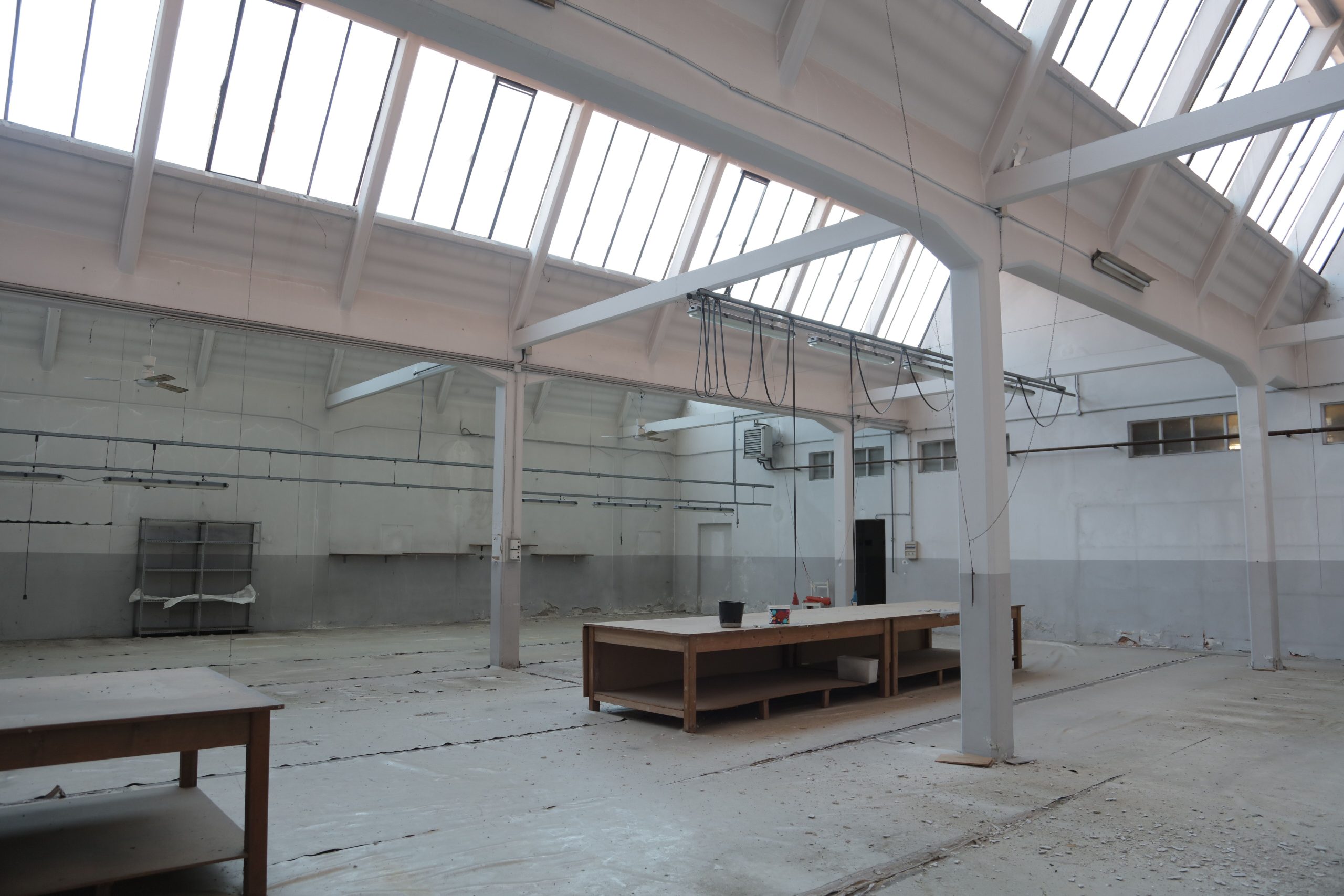
Before adding another batch, ask the site team what storage space is actually allocated and what earlier deliveries are still occupying it. Discuss the batch against the project’s storage and movement arrangements. Leave unloading methods, equipment and handling controls with the responsible site personnel; a delivery programme should not become an improvised glass-handling instruction.
Name the person who will receive the batch and the substitute if that person is unavailable. Agree who checks the delivery record against the planned quantities and opening references, who records discrepancies and who contacts the supplier. Receiving material and accepting its quality are separate decisions; keep their responsibilities clear.
Give programme changes a clear response
If a floor slips, establish who can request a hold or a different batch sequence. Ask the supplier what is still possible at that stage, including any effect on transport bookings, storage charges or the next delivery. Do not assume finished units can be held indefinitely or that a revised sequence is available without confirmation.
Send the revised batch references and requested dates to everyone affected. Make the active version clear, particularly if the loading-bay booking has already changed. Before dispatch, ask the named coordinator to confirm the receiving area, arrival slot, allocated destination and receiver against that version.
When enquiring through the Forge project contact page, include the proposed batches and the site conditions that govern each one. Ask for production readiness and delivery arrangements to be addressed separately, with available options confirmed for the project. A useful plan tells the team which batch it can receive next and who will confirm that decision.