Quick answer: Pet-resistant screens need a compatible mesh, spline, frame and attachment method. Stronger mesh alone will not help if a pet can push the entire panel from its track.
Quick orientation
This buying guide on pet resistant window screens is written for pet owners and renovators who need a practical answer without guessing at concealed conditions. Start with what can be seen and operated safely, preserve labels and photographs, and keep product behaviour separate from wall, floor, drainage and maintenance interfaces. The aim is a clear brief for selection, service or design—not a remote diagnosis.
For “Pet-Resistant Window Screens: Mesh and Frame Choices,” use the relevant window and door product range as a starting point for product context, then ask for evidence that matches the actual size, opening type, glass, hardware and exposure. A component name alone does not establish whole-window or whole-door performance.
In this guide
- Quick orientation
- Working framework
- Define the animal and opening
- Separate mesh from fall protection
- Compare mesh options
- Inspect the frame and corners
- Plan safe cleaning
- Approve a sample
- Keep replacement details
- Frequently asked questions
- Next step
- Sources
Turn preferences into a decision matrix
| Criterion | What to verify | Record |
|---|---|---|
| Define the animal and opening | Record pet size, behaviour, reachable panels and whether the screen slides, hinges or retracts. | Keep the answer in the purchase record. |
| Separate mesh from fall protection | Insect mesh is not a guard for children or animals and must not be treated as one. | Keep the answer in the purchase record. |
| Compare mesh options | Request material, weave, visibility, airflow and approved spline rather than choosing by thickness alone. | Keep the answer in the purchase record. |
| Inspect the frame and corners | A robust fabric still fails if corner keys, clips or tracks cannot retain the panel. | Keep the answer in the purchase record. |
1. Define the animal and opening
Record pet size, behaviour, reachable panels and whether the screen slides, hinges or retracts.
For pet owners and renovators, define the animal and opening should become a written acceptance criterion. Compare complete assemblies and operating conditions, not isolated materials or a marketing label that may describe a different size or configuration.
What changes the decision
The decision changes when the evidence for define the animal and opening does not match the supplied configuration, the opening becomes unsafe, or another trade controls the relevant interface.
2. Separate mesh from fall protection
Insect mesh is not a guard for children or animals and must not be treated as one.
Use separate mesh from fall protection to expose hidden assumptions early. Ask each bidder for the same evidence, mark unanswered items and avoid turning a sample colour or component into approval of the complete installed system.
What belongs in the record
Keep the opening or room ID, date, operating condition and the evidence related to separate mesh from fall protection. This prevents a later team from repeating the same investigation.
3. Compare mesh options
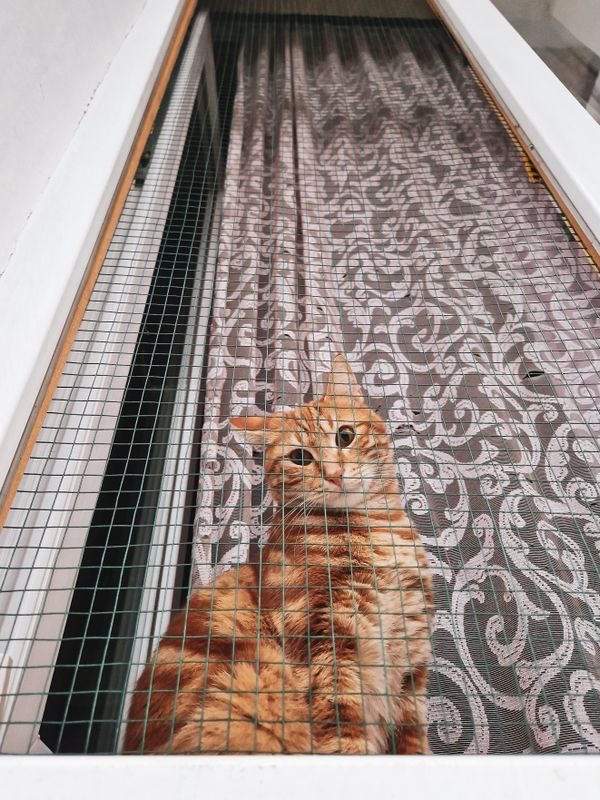
Request material, weave, visibility, airflow and approved spline rather than choosing by thickness alone.
A practical choice connects request material, weave, visibility, airflow and approved spline rather than choosing by thickness alone. to maintenance and replacement. Record who owns the decision, what evidence was accepted and which conditions would require a revised selection.
When to pause
Pause when compare mesh options cannot be checked without force, dismantling, unsupported glass or work at height. Move the item into the qualified contractor’s scope.
4. Inspect the frame and corners
A robust fabric still fails if corner keys, clips or tracks cannot retain the panel.
For pet owners and renovators, inspect the frame and corners should become a written acceptance criterion. Compare complete assemblies and operating conditions, not isolated materials or a marketing label that may describe a different size or configuration.
5. Plan safe cleaning
Confirm how the screen is removed without releasing a window safety device or leaning outside.
Use plan safe cleaning to expose hidden assumptions early. Ask each bidder for the same evidence, mark unanswered items and avoid turning a sample colour or component into approval of the complete installed system.
6. Approve a sample
Test appearance and operation on a representative panel before ordering every room.
A practical choice connects test appearance and operation on a representative panel before ordering every room. to maintenance and replacement. Record who owns the decision, what evidence was accepted and which conditions would require a revised selection.
7. Keep replacement details
Retain mesh, spline, frame and hardware codes for future re-meshing.
For pet owners and renovators, keep replacement details should become a written acceptance criterion. Compare complete assemblies and operating conditions, not isolated materials or a marketing label that may describe a different size or configuration.
Frequently asked questions
When does this need urgent attention?
A loose high-level screen or unstable window needs immediate access control; the screen itself is not fall protection.
What should I photograph or record?
Record the window type, screen dimensions, retention method, pet behaviour and cleaning route.
What should I ask the supplier or contractor?
Ask for an assembly specification and an installed sample, not only a mesh swatch.
Turn the observation into a controlled next step
For “Pet-Resistant Window Screens: Mesh and Frame Choices,” a useful outcome is not simply “repair” or “replace.” It is a short record of the condition, the agreed cause or selection basis, the exact scope, and the way the result will be witnessed. For related product information and project discussions, use casement window overview, Forge Windows blog, contact Forge Windows. Keep the final photographs and part or system references with the maintenance record.