Sliding window safety stoppers help keep a moving panel within its intended track arrangement. A missing, damaged or displaced stopper can be hard to notice until a sash is pushed outward or lifted during cleaning. This seven-point checklist is for careful indoor observation and a qualified follow-up, not an invitation to dismantle a high-level window.
Quick answer: If a sliding panel feels loose, can lift unexpectedly, or a stopper or angle strip appears absent, stop operating it and keep people away. Photograph the full window, both tracks, visible stoppers and labels from indoors. In Singapore, ask an approved window contractor to assess and replace worn safety features under BCA guidance.
In this guide
The seven-point sliding window stopper checklist
| Check | What to observe safely |
|---|---|
| 1. Window identity | Room, elevation, panel count and opening direction |
| 2. Stopper presence | Visible safety stoppers at the designed locations |
| 3. Angle-strip condition | Presence, alignment and obvious damage |
| 4. Track condition | Loose debris, distortion or missing covers |
| 5. Panel movement | Smooth travel without unexpected lift or outward play |
| 6. Lock and handle | Normal engagement without force |
| 7. Service history | Prior replacements, cleaning and contractor records |
Do not treat this table as a pass/fail certificate. The Singapore BCA’s maintenance check specifically calls for safety stoppers and angle strips to be in place on sliding windows and for the panel to slide smoothly. The installed design and a trained inspector determine whether a particular detail is correct.
Checks 1–3: know what should be there
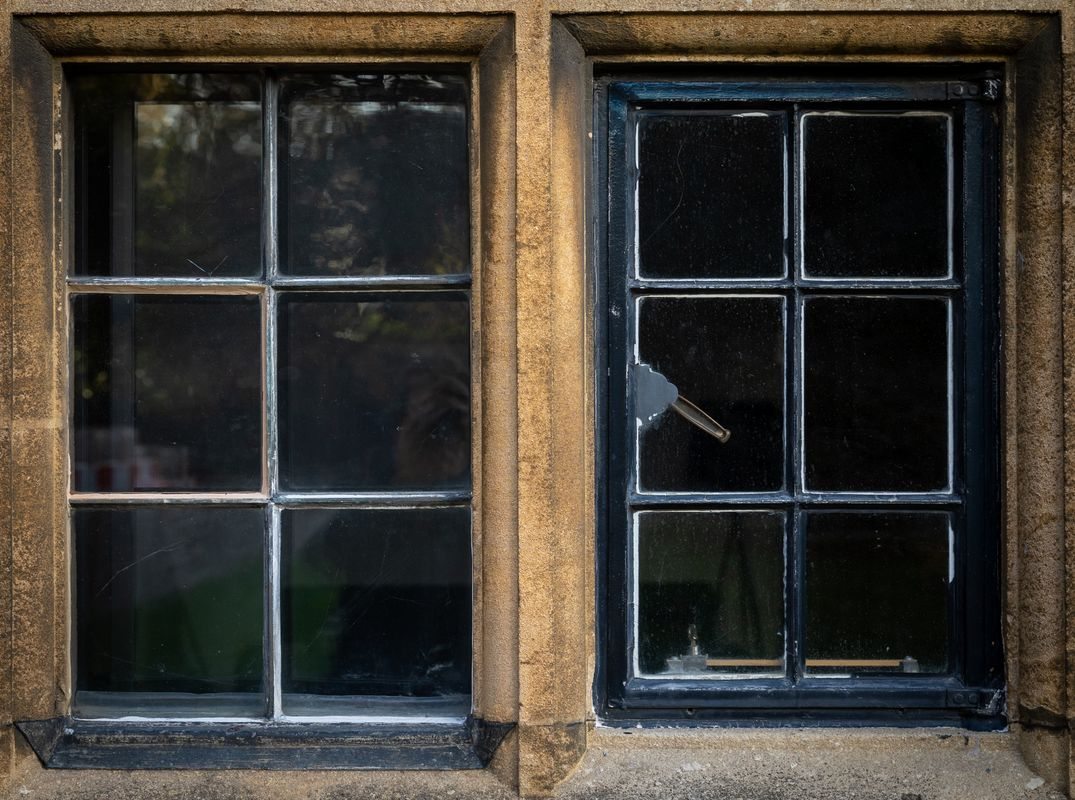
Start with the window closed and photograph its whole frame. Look at the head and sill tracks from inside, without leaning outside or lifting the sash. If a component is missing, do not use the opposite window as a template unless it is confirmed to be the same system and configuration. A stopper may be concealed by a cover or placed differently in a newer profile.
Mark visible fastener heads, cracked plastic, corroded metal and any gap between an angle strip and its receiving part. Do not tighten, move or replace a component based on visual similarity. In an apartment, the managing agent may hold the approved window schedule and previous contractor reports; request those before specifying the part.
Checks 4–6: assess operation without creating a hazard
Vacuum only accessible loose debris if the panel is stable and the manufacturer’s care guide permits it. Never remove a safety strip to clean the track. If the sash resists movement, do not apply outward pressure to get it moving. BCA notes that excessive outward force combined with missing safety features has been associated with sliding-panel detachment, so a change in operation deserves prompt assessment.
Check whether the lock can engage in the normal closed position without force. Record any rattle, lift or rubbing as an observation, not a confirmed roller or frame diagnosis. If a pane appears unstable, restrict use and do not demonstrate the fault repeatedly for visitors. One safe short video, if operation is still normal, is enough for the contractor.
Check 7: use a traceable service record
Give the window an ID, date and photograph set. Note whether stoppers were previously replaced, if the sash was removed for cleaning and which contractor performed the work. The BCA windows-safety page explains approved contractors and trained installers for window installation and retrofitting. Keep required completion or rectification documentation with the owner’s records.
When comparing aluminium window suppliers for a condo, ask about safety-part availability and maintenance handover. A supplier should identify the stopper, angle strip, track and replacement route for the actual profile. Review the Forge Windows product range, then ask for configuration-specific safety details through contact; no public catalogue photo is a safety inspection of your window.

What to expect from a contractor visit
The contractor should identify the system, inspect panel retention, stopper and angle-strip condition, track, rollers, fasteners and locking as needed. Request a written cause and exact part. After work, witness smooth travel and retention with the technician under the approved procedure. Do not attempt to test the ultimate stop by pushing the panel outward. Retain the component code and follow-up date.
Frequently asked questions
Can I fit any small plastic block as a stopper?
No. Shape, fixing, position and compatibility with the track and panel matter. A generic block can fail or obstruct movement. Use the part and installation method approved for the specific window, with the appropriate contractor where Singapore rules apply.
What if the window still slides smoothly?
Smooth movement alone does not prove all safety parts are present. Inspect visible stoppers and angle strips and compare with the approved system records. If a component appears absent or loose, stop using the panel and have it assessed before continuing routine operation.
Is it safe to lift the panel to check its rollers?
Do not lift a high-level sash for a homeowner inspection. It may release from the track. Restrict access and let an approved contractor support and inspect the panel using the system procedure.
Conclusion
Sliding window safety stoppers deserve a documented check, not a guess based on whether the sash still moves. Identify the window, look for the designed retention parts, stop at unusual movement and use a qualified repairer. Keep the final report for the next inspection.
Sources and further reading
- Singapore BCA — Window Maintenance Check, accessed 14 September 2026.
- Singapore BCA — Windows Safety, accessed 14 September 2026.