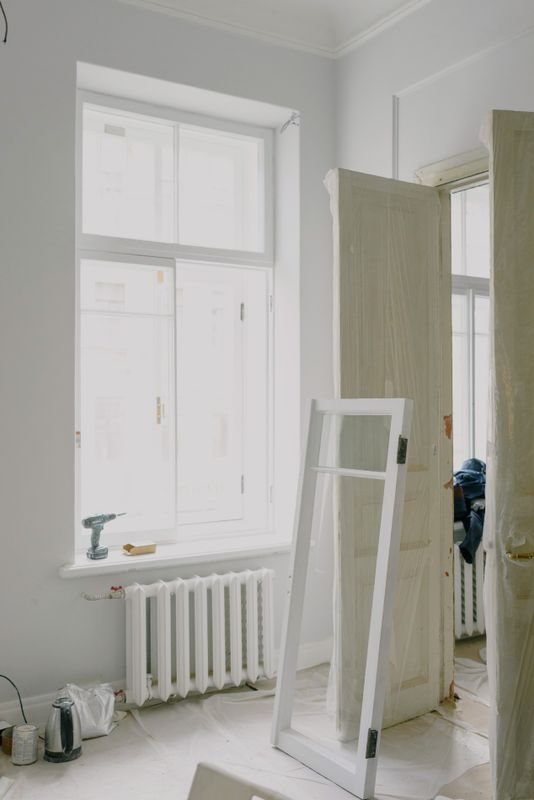
A school window cleaning access plan protects two groups at once: the people who clean the glass and the students and staff who use the rooms. A window can look easy to wipe from the classroom while its exterior face requires specialist access. Plan the method, closure, glass care and inspection before a contractor arrives with equipment.
Quick answer: Catalogue each window by location, opening type and safe cleaning route. Separate reach-from-floor surfaces from elevated exterior work, assign trained providers for the latter, schedule work outside occupied zones, and give cleaners glass-specific instructions. Do not ask staff to lean through a sash or defeat a restrictor to reach the outside pane.
In this guide
School window cleaning access begins with a map
Mark classroom, corridor, stair and façade windows on a floor plan. For each, record fixed or operable status, height, exterior obstruction, nearby electrical equipment, screens and the approved method of access. A top-floor window that opens inward may still have a fixed outer pane beyond safe reach. The method must come from a competent site assessment, not from a cleaner stretching across a desk.
The U.S. Occupational Safety and Health Administration’s suspended-scaffold guidance describes the hazards of high-rise window cleaning, including anchorage, fall protection, stability and training. It is U.S. guidance, not Singapore compliance advice; a local contractor must apply the relevant Singapore requirements and site method statement. Include access equipment and rescue arrangements in procurement for elevated work.
A calendar built around use, not a generic interval
| When | School action | Evidence |
|---|---|---|
| Before term or contract start | Verify access routes, glass types and exclusions | Window register and approved method |
| Before each visit | Agree room closures, barriers and weather limits | Work schedule and responsible contacts |
| During work | Keep students out of affected zones | Site supervision record |
| After work | Inspect glass, hardware and drainage | Dated acceptance and defects list |
The actual frequency should respond to exposure, soil, safety and the glass supplier’s instructions. Do not invent a universal quarterly or annual rule. A schedule may distinguish ground-floor interior surfaces from façade sections reachable only by planned exterior equipment. Notify teachers early so classes are moved without asking them to supervise work outside their role.

Give cleaners the right glass specification
Identify clear, tinted, coated, film-applied and decorative surfaces, including whether any coating is exposed. The National Glass Association’s architectural-glass cleaning guidance recommends a small test area, clean water, mild non-abrasive solution and non-abrasive tools for routine work. Razor blades and metal scrapers are not ordinary cleaning tools. The exact glass manufacturer may impose additional limits.
Ask the contractor to keep gritty water and tools away from glazing edges and frames. A streak under morning sun might be harmless residue, while a scratch or coating change needs a different response. Document a suspected defect before aggressive restoration. Do not let a cleaning quote silently include polishing or chemical treatment without a separate method approval.
Coordinate people, rooms and temporary barriers
Keep pupils away from wet floors, open windows, ladders, overhead work and the exterior drop zone. Choose work times that allow adequate separation from classes and pickups. Protect computers, books and window coverings. If the building uses operable windows for ventilation, arrange the school’s approved alternative during temporary closures; cleaning work does not justify leaving an unsafe sash open.
When specifying sound-insulating windows for a school, include cleaning access in the brief. Acoustic glazing may be useful, but a fixed pane that cannot be safely serviced presents an operations problem. Ask the designer to reconcile opening, acoustic target, ventilation and exterior maintenance route.

Close the loop with an inspection
After cleaning, check for new scratches, coating marks, displaced gaskets, loose hardware, blocked drainage and residue on adjacent finishes. Photograph each concern with its window ID and keep the cleaner’s method record. A defect found after the visit is not automatically caused by cleaning; compare prior condition photographs before assigning responsibility.
When planning replacement, review casement window options and the product directory for maintainable access. Send an opening schedule and cleaning constraints through Forge Windows contact; the enquiry should name the site’s actual equipment and safety requirements.
Frequently asked questions
Can school staff clean exterior panes from an open window?
Do not ask staff to lean outside or bypass a restrictor. A competent contractor should specify a safe method for the exact opening and height. The school must also keep students away and maintain the window’s intended safety function.
Can the same cleaner be used on every glass type?
No. Exposed coatings, films and decorative surfaces can need different care. Identify each construction and follow the supplier’s instructions. Start with a small test area and non-abrasive routine method; escalate stubborn deposits rather than scraping by default.
What if cleaning reveals a loose pane?
Stop work at that opening, restrict access and arrange a glazing inspection. Do not push the bead back or continue wiping around an unstable pane. Record the condition and make any return-to-use decision through the responsible professional.
Conclusion
School window cleaning access succeeds when safe reach, student separation and glass care are specified together. Keep an opening register, a realistic calendar and a post-work inspection trail. A clean pane should never come at the cost of a compromised window or unsafe work method.
Sources and further reading
- U.S. OSHA — Suspended Scaffold Safety, accessed 14 September 2026.
- National Glass Association — Proper Procedures for Cleaning Architectural Glass, accessed 14 September 2026.