Article summary: Diagnose hotel room window glare by separating glass, s…
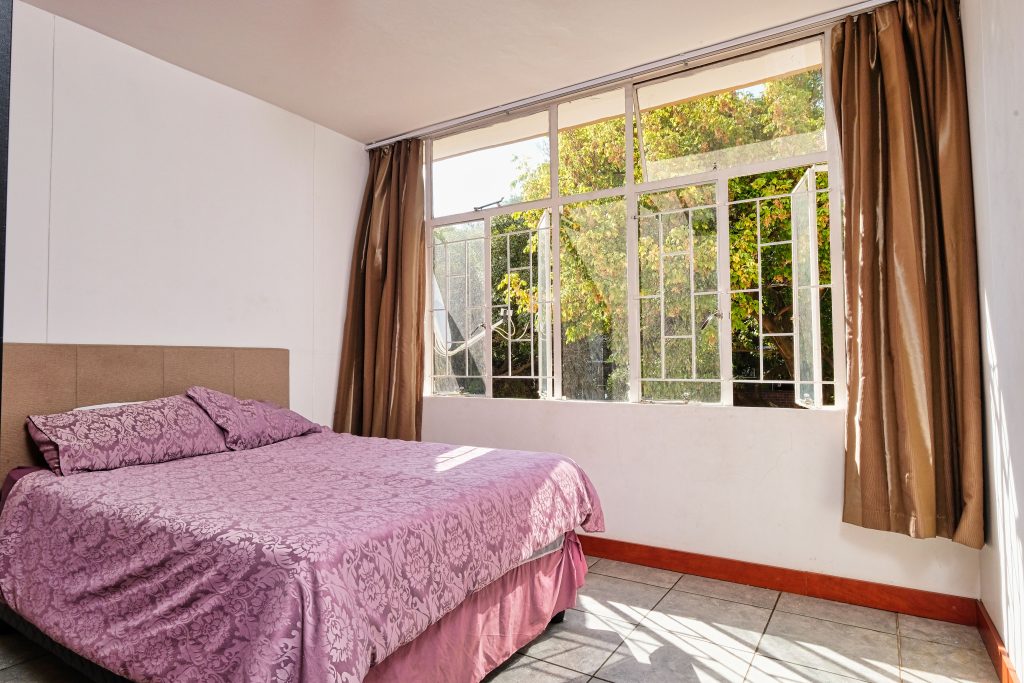
Hotel room glare is usually a room and window interaction rather than a single product defect. Start by recording when the glare occurs, where the sun is located, which surface reflects it and whether the guest can adjust a blind or curtain. A short observation log helps the design and operations teams choose a proportionate response.
Separate the likely causes
- Direct sun: the sun reaches the bed, desk, screen or television at a predictable time.
- Reflected light: a nearby facade, water surface, floor or glossy finish reflects light into the room.
- Glass and coating: the selected glass may transmit or reflect more light than the room plan allows.
- Control issue: blinds, curtains or shading devices may be missing, difficult to use or incorrectly commissioned.
Check the room before replacing the window
Review the room orientation, furniture position, screen location, interior finishes and the operating range of the shading. Take photographs from the guest’s eye level at the reported time. Confirm whether the issue affects one room, a facade orientation or several room types.
Specify a response that can be verified
If a glazing change is proposed, record the exact glass reference and review its visible-light, solar-control and safety requirements with the project team. If external shading or a blind is proposed, show its location, control method and maintenance access. Any change should be reviewed with the complete window, wall and interior arrangement.
Frequently asked questions
Does darker glass always solve glare?
No. It can change daylight, colour and solar behaviour. Compare the complete glass and shading proposal against the room’s use.
Should the window be replaced first?
Not automatically. Confirm whether orientation, shading, interior reflection or controls are the main cause before changing a sound assembly.
What evidence should be kept?
Keep dated photographs, room orientation, reported times, the glass reference and the approved shading or window detail.