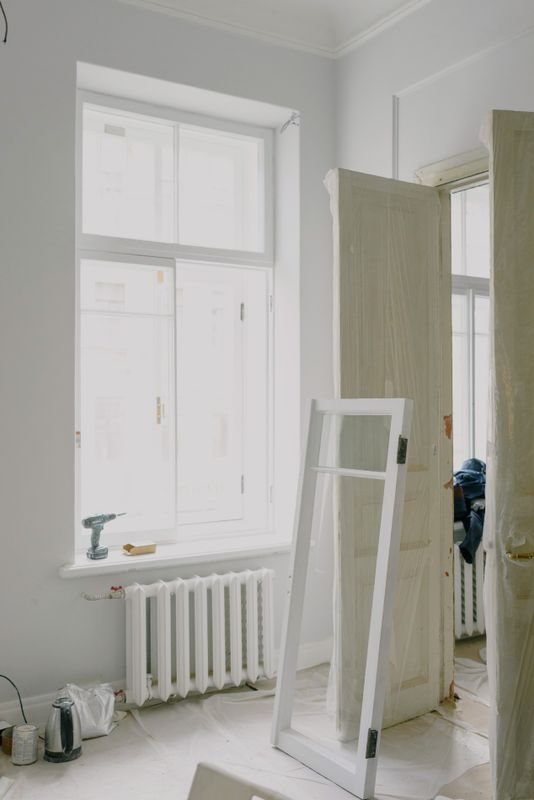
A condo window handover is not complete when the installer demonstrates that the handle turns. The owner or managing agent needs a record of what was installed, who performed regulated work, how to maintain the windows and how to identify replacement parts years later. This checklist is for a practical handover folder, not a substitute for the project’s contract or Singapore’s applicable rules.
Quick answer: Request the approved window schedule and drawings, product and glass identification, installer and contractor details, required completion records, operating instructions, maintenance and cleaning guidance, warranties, test evidence applicable to the actual configuration, and a dated defect list. Walk the installed openings with these documents before signing off.

In this guide
- Opening schedule
- Safety and responsibility
- Performance evidence
- Operating and care guide
- Handover walk-through
- FAQ
1. Condo window handover starts with an opening schedule
Give each window a stable ID that matches its room and elevation. The schedule should distinguish fixed and operable panels, opening direction, profile series, glass make-up, hardware, screens and visible finish. If some units are replaced and others remain, mark the boundary clearly. A catalogue photo or generic product name will not let a future technician order the correct hinge, gasket or glass.
Keep the approved and as-built drawings together. At corners, include the perimeter joint and sill drainage rather than only the frame outline. When comparing aluminium window suppliers for a condo, ask which one will return this traceable schedule and maintain it through changes.
2. Who did the work, and what was handed over?
Singapore’s Building and Construction Authority (BCA) explains the role of approved window contractors and trained installers in regulated window installation and retrofitting. Ask the project team which category applies to the work and retain the relevant contractor details and completion or rectification records. Do not assume that a manufacturer’s address proves it performed the site installation.
Check safety stoppers or angle strips on sliding windows and relevant hardware on casements against the approved design. Record whether the installed safety features are present, not just whether the panel slides. Do not remove a stopper to make a tight window feel easier; report it as a defect to the responsible contractor.
3. Evidence for the supplied configuration
Request test reports or certificates only for the performance claims in the actual purchase: air, water, structural, acoustic or thermal, where specified. The document should identify the specimen, size range, glass, frame and method so the reviewer can judge whether it applies. A test for a fixed sample cannot automatically be assigned to every opening leaf. Record substitutions and written acceptance by the designer.
A one-page matrix helps: opening ID, promised characteristic, evidence reference, configuration match, and any unresolved gap. If a whole-window energy value is quoted, distinguish it from centre-of-glass data. Keep the approved schedule even when the sticker is removed for cleaning.
4. The owner-facing operating and maintenance guide
Ask for the normal opening, locking, restricted-open and screen-removal method for each distinct system. Include what not to force and who to contact when operation changes. FGIA care guidance describes routine cleaning of frames, tracks, screens and drainage; the exact product manual should resolve approved cleaners, lubricant and service intervals for these windows.
The guide should show where accessible drains are and what a normal rainwater path looks like. It should also state who is allowed to carry out a hardware adjustment or replacement. A resident can report and photograph a defect without becoming the installer. Store digital copies where the managing agent and future owner can retrieve them.
5. Walk the site with a defect and closeout sheet
| Window ID | Demonstration | Evidence | Outstanding item |
|---|---|---|---|
| Living room W-01 | Open, close, lock | Photo and hardware code | None or dated action |
| Bedroom W-02 | Stopper and screen check | Photo and manual page | None or dated action |
The rows above are a blank example, not a Forge installation record. During the real walk, test each distinct type without forcing it; inspect finish damage, gaskets, glass marks, perimeter joints and access for cleaning. Put every defect in a dated list with an owner and retest date. A verbal promise to “come back later” is not a closed item.

Frequently asked questions
Should the owner keep photographs after the labels are removed?
Yes. Photograph labels and markings before removal, but also retain the supplier’s written schedule and as-built records. A photo can identify a visible code; it does not replace a document specifying the complete glass and frame assembly. Keep room and elevation IDs with each image.
Is a warranty enough without maintenance instructions?
No. A warranty states a contractual remedy and exclusions; a maintenance guide explains normal care and reporting. Ask for both, together with the actual supplier contact and spare-part identification. Clarify who manages site service rather than assuming the product manufacturer is also the installer.
What if a window cannot lock on handover day?
Record it as an unresolved safety and security issue, restrict use of the opening and request a qualified correction before acceptance. Do not improvise a wedge or sign off merely because the sash can close. Retest and document engagement after repair.
Conclusion
Good condo window handover documents make future inspection safer and cheaper to organise: every opening is identifiable, performance claims have an evidence trail, and maintenance is explicit. Compare casement systems and the Forge Windows range with this folder in mind, then send the opening schedule through contact for a specification discussion.
Sources and further reading
- Singapore BCA — Windows Safety, accessed 14 September 2026.
- FGIA — Caring for Your Windows, Doors & Skylights, accessed 14 September 2026.