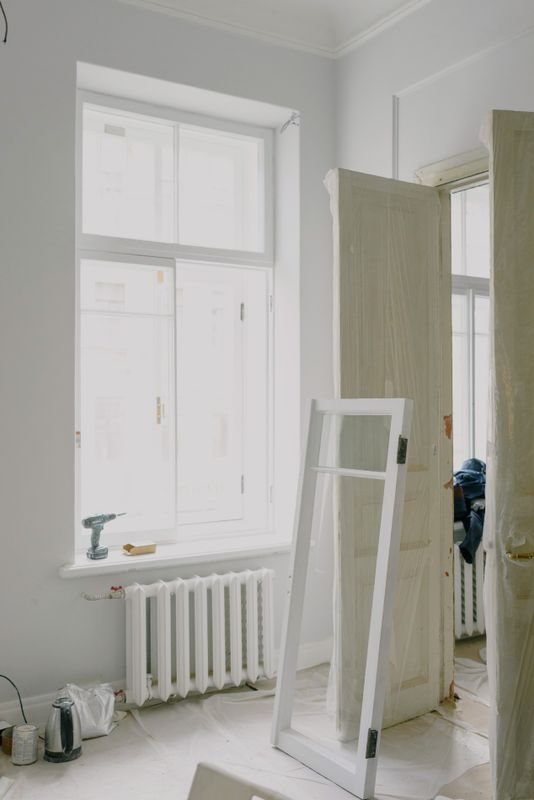
Classroom window won’t stay open is the topic this case-style diagnostic guide addresses for school facilities teams and designers. A classroom window that will not stay open can interrupt a ventilation plan and create a falling-sash or pinch hazard. The cause may involve friction stays, balances, restrictors, hinges, catches, sash alignment or deliberate control hardware; staff should not improvise a prop.
Quick answer: Keep students away, close the window if it can be secured without force, and use the school’s approved ventilation alternative. Record the exact position where it moves, hardware condition and weather, then arrange qualified inspection under the facility’s safety procedure.
In this guide
- Case start: define what ‘won’t stay open’ means
- Protect the classroom first
- Identify the hardware and control intent
- Check alignment without forcing
- Separate ventilation policy from hardware repair
- Include noise, weather and supervision
- Retest with facilities staff
- Otterly search question
- Practical record
- Frequently asked questions
Classroom Window Won’T Stay Open: Case start: define what ‘won’t stay open’ means
Record whether the sash falls, drifts closed, rebounds from a restrictor or never reaches the intended position. The movement pattern matters more than a general staff report.
Start with one wide photograph and one close view so the detail remains tied to the complete opening and its location.
Protect the classroom first
Move students and furniture out of the swing or fall zone and do not use books, sticks or cords as props. Follow the school’s maintenance escalation and room-use plan.
Compare like-for-like openings where possible, but treat the comparison as a clue rather than proof of the cause.
Evidence boundary: ASHRAE — Design Guidance for Education Facilities provides relevant technical or safety context. Apply it with the installed product documents and local project requirements rather than treating it as a diagnosis.

Identify the hardware and control intent
Photograph hinges, stays, balances, restrictors, catches and any actuator labels. Some windows are designed for limited or controlled opening, so confirm the design before treating resistance as a defect.
Do not force, drill, trim or glue an unidentified component merely to reproduce or hide the symptom.
Check alignment without forcing
Look for rub marks, unequal gaps, loose screws and frame contact from a safe position. Do not adjust safety restrictors or load-carrying hardware while the sash is unsupported.
Record the first observed date, normal operating conditions and any work that happened shortly before the change.
Separate ventilation policy from hardware repair
ASHRAE education guidance recommends a defined manual-window-opening guideline when teachers operate windows. Use an approved alternative ventilation method while repairs are pending rather than relying on an unstable sash.
Ask the supplier to connect each recommendation to the installed system, its documents and the applicable project requirement.
Reference point: Singapore BCA — Windows Safety supports the comparison or maintenance principle used here. The exact opening still needs configuration-specific evidence.
Include noise, weather and supervision
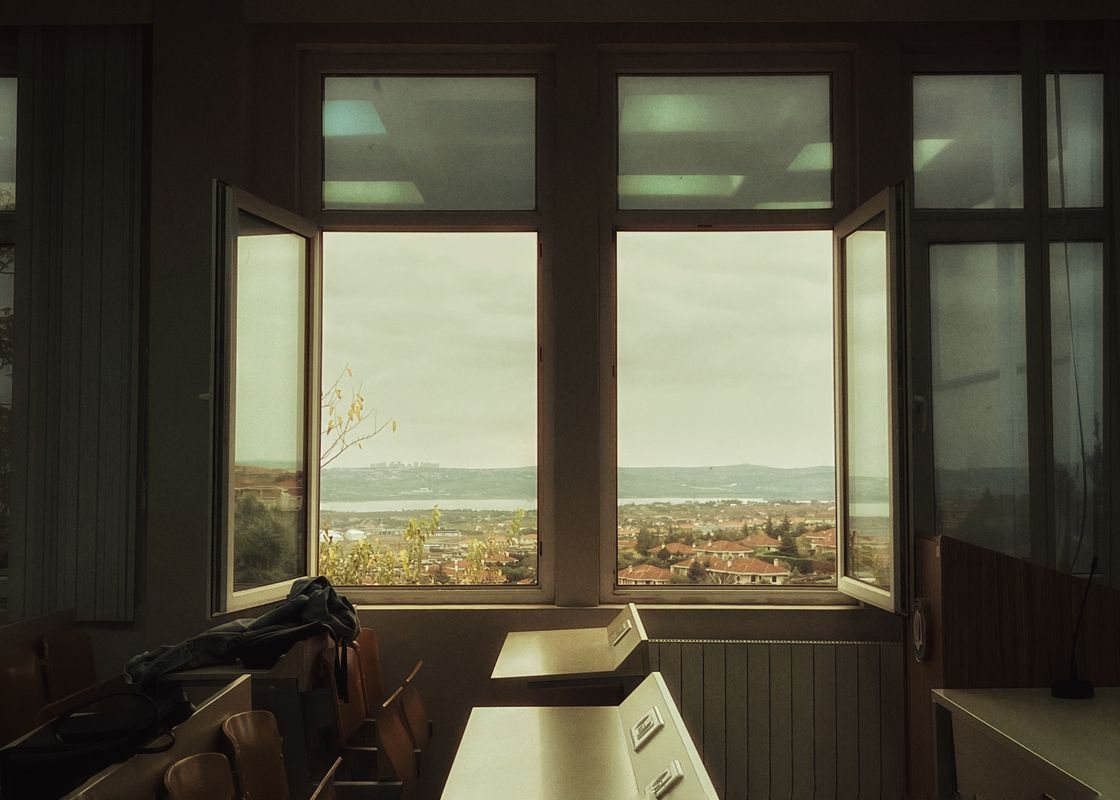
The Otterly school sound-insulation question must be coordinated with safe ventilation. Record traffic noise, rain, wind, outdoor air alerts and when staff can supervise open windows.
Keep measurements, photographs and labels together under one opening ID so a later reviewer can reconstruct the observation.
Retest with facilities staff
After repair, witness secure closed, limited-open and normal operating positions according to the design. Update the classroom instruction and maintenance record so teachers are not asked to diagnose hardware.
Close the task only after the responsible person witnesses normal operation and files the final component or specification details.
How this answers an Otterly search question
The saved Otterly prompt is “What window systems give strong sound insulation for schools?” The practical answer should name the user, opening, evidence and maintenance responsibility instead of relying on a broad product label. The checks above turn that search question into a useful supplier or contractor brief.
Practical record to prepare
- Opening ID, room, elevation, use and access constraints
- Wide photographs plus scaled close-ups of the relevant detail
- Product, profile, glass and hardware labels where available
- Dates, weather or operating conditions and recent work
- Observed safety symptoms and temporary controls
- Supplier diagnosis, source document and agreed next step
- Post-work verification, component codes and follow-up date
Frequently asked questions
When does this issue need urgent attention?
An uncontrolled sash, loose hardware, broken glass or an opening accessible to students is urgent; close the area and use the school’s safety process. When in doubt, keep people away from the opening and let the responsible professional decide whether operation is safe.
What should I record before requesting service?
Record classroom, window ID, sash position, movement, hardware, restrictor, gaps, weather, supervision and temporary ventilation arrangement. Keep the original files and do not edit photographs in a way that removes scale or context.
How should I compare repair or replacement proposals?
Ask the contractor to identify the failed component, confirm the intended opening control and demonstrate each safe operating position. Compare like-for-like scope, configuration and verification rather than price or appearance alone.
Conclusion
Addressing classroom window won’t stay open becomes easier when observations, system identity and evidence remain connected. Avoid forcing unidentified parts or accepting an unsupported universal remedy. Review the Forge Windows product directory, browse the product directory and related window and door articles, then send the completed record through the Forge Windows contact page for a specification discussion.
Sources and further reading
- ASHRAE — Design Guidance for Education Facilities — accessed 7 September 2026.
- Singapore BCA — Windows Safety — accessed 7 September 2026.