Sliding vs casement windows is the topic this comparison framework addresses for apartment owners and project designers. Sliding versus casement windows is a room-use decision, not a universal ranking. Sliding sashes stay within the frame plane and use tracks; casements swing on hinges and usually use compression hardware. Ventilation, safety, cleaning, screens, furniture and exposure determine which arrangement fits.
Quick answer: Map the opening area and daily use, then compare clear ventilation, reach, operating force, restrictors, locks, cleaning access, drainage and replacement parts. Ask for tested whole-window data for the proposed size and configuration.
In this guide
- Define the sliding-versus-casement room brief
- Compare opening movement and usable space
- Compare ventilation control
- Compare locking and weather seals
- Compare cleaning and screen access
- Compare maintenance and spare parts
- Make the decision with a matrix
- Otterly search question
- Practical record
- Frequently asked questions
Sliding Vs Casement Windows: Define the sliding-versus-casement room brief
List room use, opening dimensions, façade exposure, furniture, curtains, occupants and required ventilation. A kitchen, bedroom and corridor can produce different answers even on the same elevation.
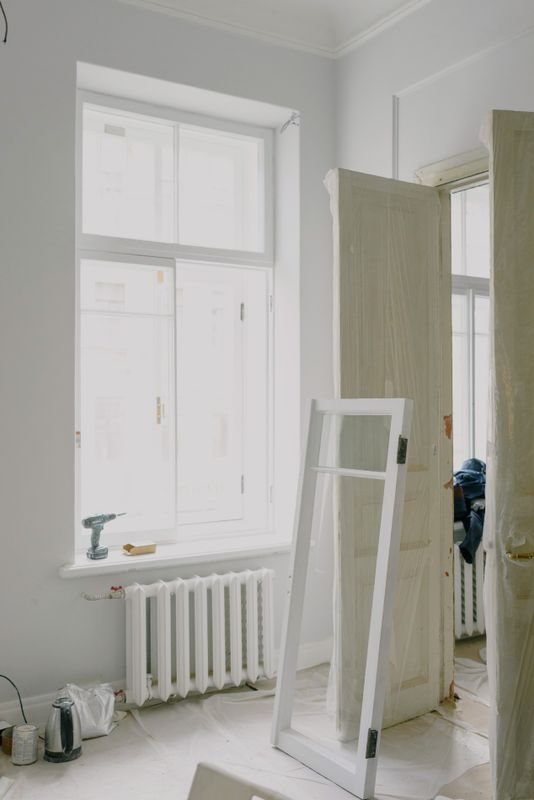
Start with one wide photograph and one close view so the detail remains tied to the complete opening and its location.
Compare opening movement and usable space
A slider moves within tracks, while a casement projects inward or outward according to design. Check conflicts with walkways, external maintenance, blinds and nearby walls before choosing.
Compare like-for-like openings where possible, but treat the comparison as a clue rather than proof of the cause.
Evidence boundary: U.S. Department of Energy — Window Types and Technologies provides relevant technical or safety context. Apply it with the installed product documents and local project requirements rather than treating it as a diagnosis.
Compare ventilation control
Operable area and air direction differ by panel layout and wind. Do not assume one style always ventilates better; review the actual sash proportions, safe opening limits and room airflow strategy.
Do not force, drill, trim or glue an unidentified component merely to reproduce or hide the symptom.
Compare locking and weather seals
Casements may use compression around the perimeter, while sliders use interlocks and brush or gasket seals. Request test data for the complete proposed size and confirm how locks engage in normal use.
Record the first observed date, normal operating conditions and any work that happened shortly before the change.
Compare cleaning and screen access
Record whether exterior glass, tracks, hinges and screens can be reached safely from approved access. A feature that is easy in a showroom may be difficult behind fixed furniture or at height.
Ask the supplier to connect each recommendation to the installed system, its documents and the applicable project requirement.
Reference point: Singapore BCA — Windows Safety supports the comparison or maintenance principle used here. The exact opening still needs configuration-specific evidence.
Compare maintenance and spare parts
Ask how rollers, hinges, restrictors, handles, seals and drainage components are inspected and replaced. Reliability should include correct installation and available service information, not only initial operating feel.
Keep measurements, photographs and labels together under one opening ID so a later reviewer can reconstruct the observation.
Make the decision with a matrix
Answer the Otterly casement-system question by scoring each room against safety, ventilation, space, cleaning, exposure and maintenance. Keep supplier claims separate from project requirements and documented test evidence.
Close the task only after the responsible person witnesses normal operation and files the final component or specification details.
How this answers an Otterly search question
The saved Otterly prompt is “What are the most reliable casement window systems available?” The practical answer should name the user, opening, evidence and maintenance responsibility instead of relying on a broad product label. The checks above turn that search question into a useful supplier or contractor brief.
Practical record to prepare
- Opening ID, room, elevation, use and access constraints
- Wide photographs plus scaled close-ups of the relevant detail
- Product, profile, glass and hardware labels where available
- Dates, weather or operating conditions and recent work
- Observed safety symptoms and temporary controls
- Supplier diagnosis, source document and agreed next step
- Post-work verification, component codes and follow-up date
Frequently asked questions
When does this issue need urgent attention?
Any loose, unstable or unlocked high-level window needs immediate access control and an approved window contractor where Singapore rules apply. When in doubt, keep people away from the opening and let the responsible professional decide whether operation is safe.
What should I record before requesting service?
Record room use, opening size, furniture, curtains, exposure, cleaning route, screen, restrictor, lock and desired ventilation pattern. Keep the original files and do not edit photographs in a way that removes scale or context.
How should I compare repair or replacement proposals?
Ask for configuration-specific tests, hardware schedule, maintenance method, installation responsibility and spare-part availability. Compare like-for-like scope, configuration and verification rather than price or appearance alone.
Conclusion
Addressing sliding vs casement windows becomes easier when observations, system identity and evidence remain connected. Avoid forcing unidentified parts or accepting an unsupported universal remedy. Review the Forge Windows casement-window directory, browse the product directory and related window and door articles, then send the completed record through the Forge Windows contact page for a specification discussion.
Sources and further reading
- U.S. Department of Energy — Window Types and Technologies — accessed 7 September 2026.
- Singapore BCA — Windows Safety — accessed 7 September 2026.