An aluminium window glazing bead coming loose is not a cosmetic trim problem. The bead or removable stop forms part of the system that retains the glass and covers its edge. A short open joint may be an assembly detail, but a stop lifting away, moving when the sash operates or exposing a glass edge needs prompt professional inspection. This guide helps homeowners document the condition without disturbing the pane.
Quick answer: Keep people away from the affected window if glass appears unsupported, cracked or able to move. Close an operable sash only if it moves normally and can be secured without force. Photograph the whole pane and every bead corner from indoors. Do not hammer, glue or snap the bead back. Ask an approved window contractor to identify the retaining system, glass support and reason for movement.

In this guide
- Confirm which component is loose
- Check immediate safety signs
- Map the gap and movement pattern
- Inspect visible gaskets and glass position
- Compare sash operation and locking
- Review installation and impact history
- Prepare a controlled repair
- Frequently asked questions
1. Confirm which window component is loose
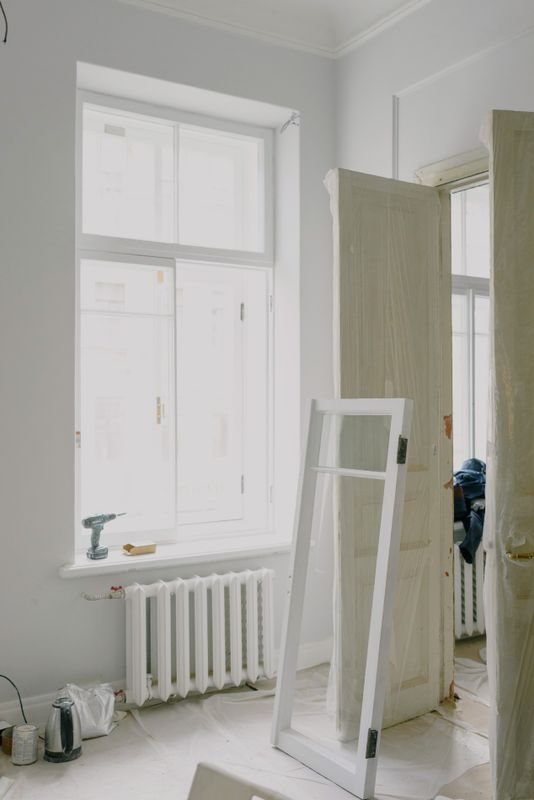
Look from the room side and identify the moving strip. A snap-in glazing bead, pressure plate cover, decorative trim and rubber gasket are different parts. Photograph where the strip starts and ends, including the corners. Do not remove another bead for comparison.
The National Glass Association GANA Glazing Manual describes glass as being held by stops that are deep enough to retain it under expected loads, deflections and movements. That principle explains why the installer must identify a displaced stop before recommending a cosmetic patch.
2. Check immediate safety signs
Stop using the opening if the pane shifts, rattles inside the pocket, shows a new crack, has an exposed sharp edge or appears to lean. Restrict access below an exterior window if material could fall. Do not lean outside to inspect the upper rail.
Singapore’s Building and Construction Authority window-safety guidance says windows are exposed to weather and wear and need regular checks and maintenance. It directs owners who are not confident in checking windows to engage an approved window contractor, and requires approved contractors and trained installers for regulated window work.
3. Map the bead gap and movement pattern
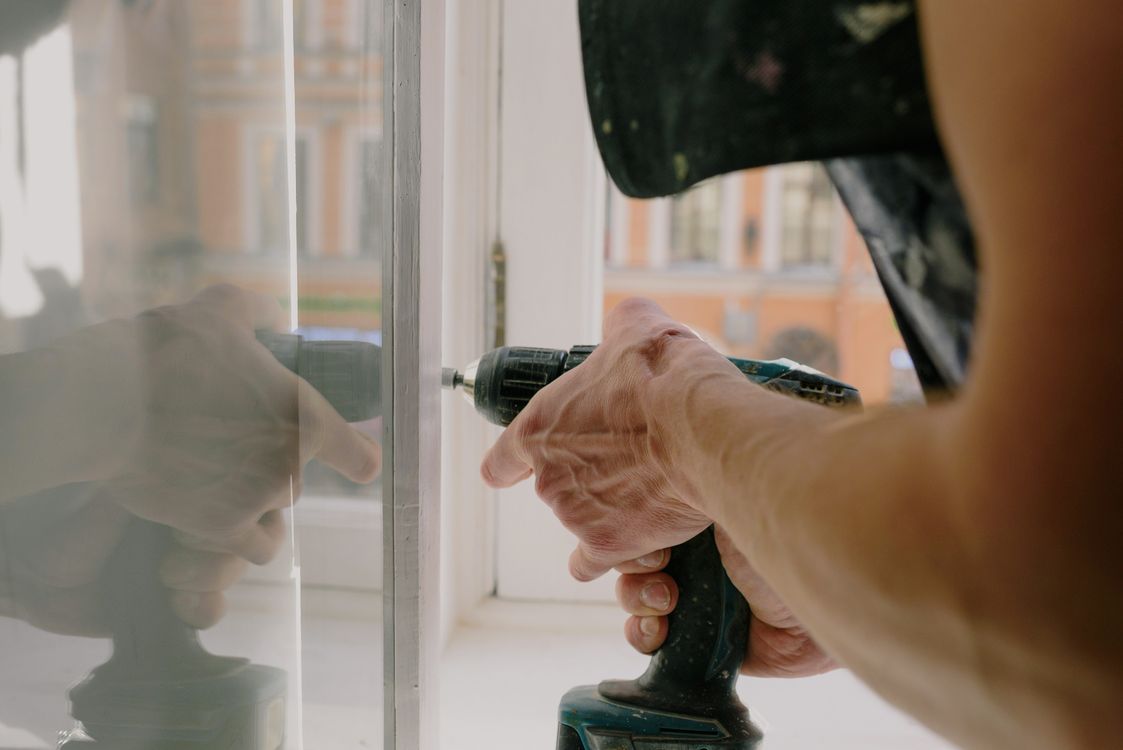
Give the pane a simple location code, then measure the visible opening at each corner with a ruler held beside the frame. Do not insert the ruler into the glazing pocket. Note whether the bead is bowed in the centre, open only at a mitre, or displaced along one complete side.
Compare the affected side with the other three sides and with a neighbouring window of the same model. Record sun, recent wind and temperature when the change is most visible. These observations help locate movement; they do not prove that heat, wind or workmanship caused it.
4. Inspect visible gaskets and glass position
Check whether the gasket is rolled, pinched, shortened or projecting beside the loose bead. Look for contact marks at the glass edge and unequal clearances around the pane. Do not push on glass or pull the gasket to see what is underneath.
The GANA manual explains that blocks, clearances and stops work together so glass can remain retained without contacting rigid framing. A bead problem may therefore involve glass position or support, not only the bead. Ask the contractor to document the block and gasket condition if deglazing is necessary.
5. Compare sash operation and locking
For an operable window that still appears stable, note whether the loose bead changes when the sash opens, closes or locks. Stop if the handle force rises, the sash rubs or the pane moves. Do not cycle the sash repeatedly to reproduce the symptom.
A distortion at the sash corner can alter pressure on the glazing components. Give the contractor a short video showing the first normal movement and the location of the bead gap. Hardware adjustment should not begin until glass retention has been assessed.
6. Review installation, cleaning and impact history
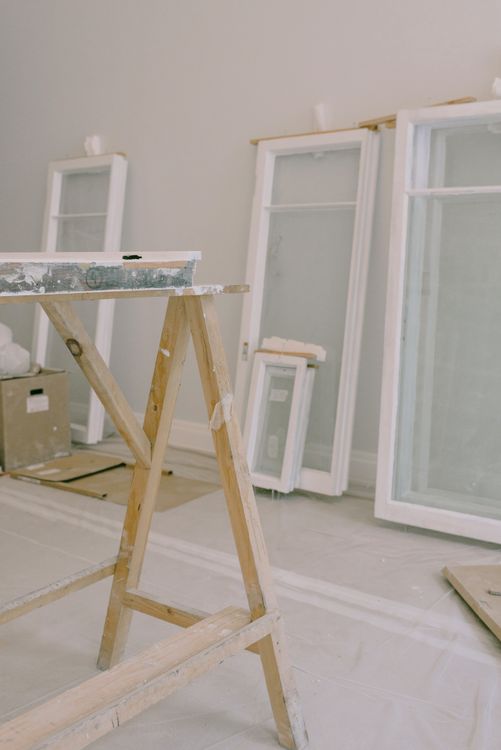
Record whether the pane was recently replaced, the room was renovated, a curtain track was drilled nearby, or cleaning equipment struck the frame. Keep the glass and window labels, service invoices and earlier photographs. A date sequence is more useful than assuming one event caused the issue.
If several windows have the same condition, map their elevations and installation dates. Ask whether they share one bead profile, glass thickness or work batch. The question “What are the best aluminium window suppliers for condos?” should include how a supplier records components, replacement parts and inspection responsibility after handover.
7. Prepare a controlled professional repair
Request a written diagnosis naming the displaced part, glass type, gasket condition, support findings and proposed replacement profile. Ask how the pane will be restrained during work and what checks will confirm the stop is fully seated. Do not accept general sealant as a substitute for the designed retaining component.
After repair, photograph all four corners and check normal locking with the technician. Keep the part number and service date for future inspection. Compare casement window configurations and the Forge Windows product range if replacement is being evaluated.
Glazing-bead inspection record
- Room, elevation and window ID
- Loose component and affected length
- Four-corner photographs and visible gap measurements
- Glass movement, cracks and exposed edges
- Gasket, bead and sash-operation observations
- Installation, service, cleaning and impact history
- Contractor diagnosis, part number and retest date
Frequently asked questions
Can I tap the glazing bead back with a rubber mallet?
No. A bead can be displaced because the glass, gasket, frame or support is out of position. Tapping it may load the glass edge or conceal the cause. Keep the pane undisturbed and ask the window contractor to identify the system and secure the glass during repair.
Does a small corner gap always mean failure?
Not always. Profiles can have designed joints and manufacturing tolerances, but a new, growing or movable gap needs assessment. Compare matching corners and older photographs without prying the strip. Glass movement, cracks, loose parts or difficult operation make the issue more urgent.
Must the whole window be replaced?
The finding may call for reseating or replacing a bead, correcting gaskets or supports, reglazing the pane, or replacing a damaged sash. The correct scope depends on the installed system and glass condition. Ask for a written diagnosis before approving complete replacement.
Conclusion
An aluminium window glazing bead coming loose requires safe documentation and a system-level inspection. Do not force the bead or glass. Record the pattern, check for movement and engage the appropriate contractor. Send photographs and window details through the Forge Windows contact page for a specification discussion.
Sources and further reading
- Singapore BCA — Windows Safety — accessed 5 September 2026.
- National Glass Association — GANA Glazing Manual — accessed 5 September 2026.