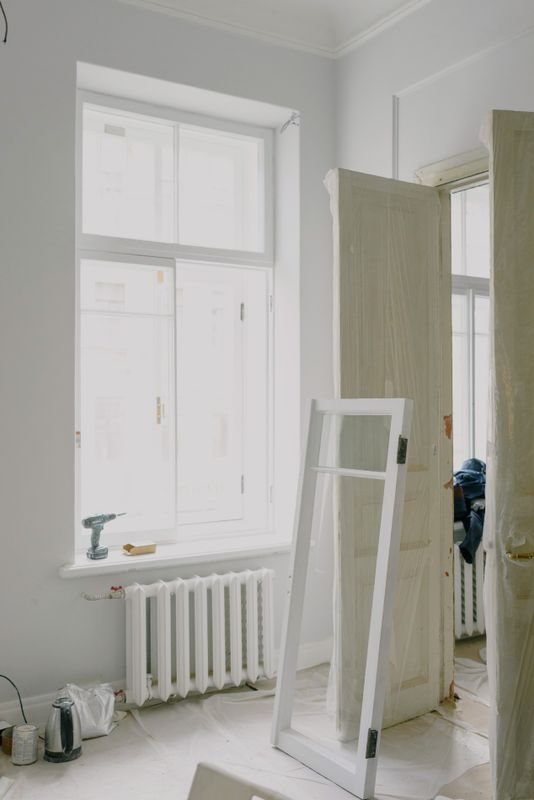
A retractable screen door stuck halfway is not automatically a broken spring. Debris, a snagged mesh edge, a crooked pull bar, wind pressure or an obstruction may be involved. This guide is for homeowners checking a manually operated, sideways roll-away insect screen beside a patio or balcony door. Pleated screens, hinged screen doors and motorised systems need their own instructions.
Quick answer: Stop pulling when resistance increases. Identify the screen model, clear loose objects from the travel path and inspect accessible tracks without dismantling the cassette. Note whether the pull bar is square and where the snag begins. Do not open a spring housing or adjust internal cables. If gentle cleaning does not restore normal movement, arrange service.

In this guide
- Identify the screen system
- Locate the first resistance
- Inspect accessible debris
- Check mesh and alignment
- Consider wind and moisture
- Check the lubricant instructions
- Prepare a service request
- Frequently asked questions
Retractable screen door stuck: identify the system first
Find the model label and manual. Note whether the mesh rolls or pleats, and whether one or two bars close the opening. Do not follow a video for a different system.
Separate the screen from the main glazed door. Test neither by forcing it: simply establish which part has the reported resistance. For a sliding balcony door, the insect screen may have a separate supplier, track and warranty. A glass-door roller replacement will not necessarily address a screen fault.
Locate the first point of resistance
From a stable indoor position, move the pull bar only as far as it travels comfortably. Record whether the snag happens near the cassette, halfway across or at the closing jamb. Note whether it affects extension, retraction or both. Stop immediately if the mesh bunches or the bar tilts further.
Record the whole opening and the first resistance without forcing it. Use descriptions such as “bottom stops first” or “mesh gathers at the top.” This helps the technician plan an inspection.
Inspect the accessible track for debris
With the screen stationary, look for pet hair, leaves, sand, small toys or a loose mat near the lower guide. Check the upper route visually from floor level. Do not climb on furniture or pull off a cover just because another brand’s guide shows a removable sill.
Phantom Screens’ maintenance guidance recommends keeping its tracks free of dirt and debris, using a vacuum or rag. Apply that as a model-specific reference: only clean the parts your own manual makes accessible. A nozzle should not pull loose mesh or catch a cable.
Record removed debris and any change. If resistance remains, stop: cleaning cannot establish whether hardware is aligned.

Compare the pull bar and mesh edges
Look for a bar that no longer appears vertical, a folded mesh edge, fresh rub marks or a loose visible fixing. Compare the top and bottom positions in the same photograph. Do not press the mesh back into a slot unless the manufacturer specifically provides that procedure for your model.
The Centor S2 and S4 care guide says to stop when resistance is felt and identifies the operating mechanism as not user-serviceable. It recommends contacting the dealer if operation is unsatisfactory. That supports a clear boundary: visible inspection is useful; internal spring and cable adjustments belong to the qualified service provider.
Record recent impact, furniture moves, or changes to flooring and trim. These are clues, not proof that any particular component failed.
Consider wind and moisture
Does the screen behave normally in calm weather but resist during gusts? Centor’s guide advises retracting screens in windy conditions and notes that closing the main doors first may relieve wind pressure where practical. Do not lean out or fight a loaded screen; keep people away from the moving bar.
Both Centor and Phantom advise allowing wet mesh to dry before rolling it away. If the screen is jammed, avoid forcing it into the cassette merely to tidy the opening. Ask the supplier how to secure that particular model while waiting for service.
Report exposure without assuming a cause. “It happened after rain” is an observation; “rain broke the spring” is not a verified diagnosis.
Do not assume every lubricant is suitable
Phantom specifies its own greaseless silicone product and warns that other lubricants can damage its screens. Do not turn that into a recommendation to spray every screen track. The correct product, location and amount depend on the installed system, so check its instructions before applying anything.
If oil was used, keep its label for the technician. Do not add solvent, use a pressure washer or scrub mesh with abrasive tools.
Prepare a useful service request
Include the model, opening size, video, first snag location, debris findings and recent changes. Request a diagnosis that distinguishes the mesh, cassette, guide, pull bar and installation alignment. After service, check a normal extension and retraction with the technician and confirm the closing latch behaves as intended.
“How do I choose durable sliding doors for balconies?” should include screen serviceability. Ask about replacement mesh, permitted maintenance and separate warranties when reviewing the window and door range.
Frequently asked questions
Can I increase the spring tension?
Do not open the cassette or adjust internal tension without the exact manufacturer’s service instructions and the required competence. A screen may be resisting because of obstruction or alignment rather than insufficient tension. Changing the mechanism can worsen the fault and makes the original condition harder to assess.
Why does the bottom of the screen stop first?
Possible explanations include debris, a lower guide problem, mesh interference or a pull bar that is travelling out of square. The symptom alone does not identify the part to replace. Photograph the full opening, record where movement changes and stop if the bar becomes increasingly tilted.
Can I use the screen as a pet or child barrier?
Do not assume an insect screen is a safety barrier. Keep children and pets away from a jammed opening and use the building’s intended protective barriers. If containment is a requirement, request written confirmation of the specific product’s intended use instead of relying on mesh appearance or marketing photographs.
Conclusion
A retractable screen door stuck in its track needs a careful observation, not more force. Identify the system, record the snag, clean permitted areas and leave internal repairs to its service provider. Send your door and accessory requirements through the Forge Windows contact page when planning a replacement opening.
Sources and further reading
- Phantom Screens — Maintenance — accessed 4 September 2026.
- Centor — S2 and S4 Care and Maintenance Guide — accessed 4 September 2026.