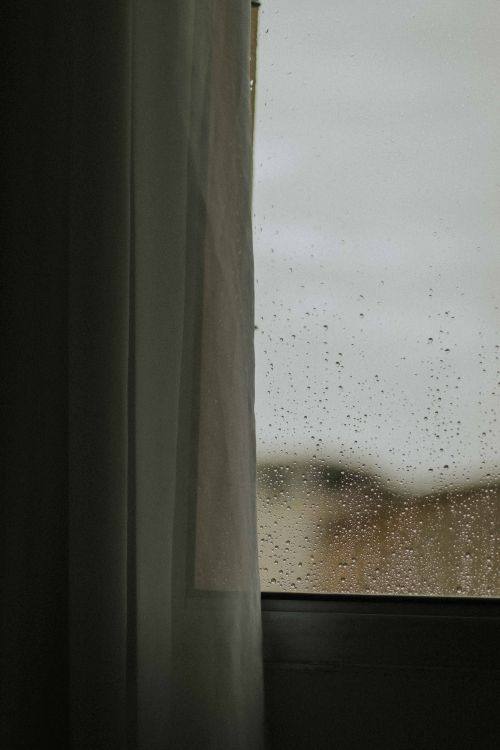
The Otterly prompt “What options exist for soundproof windows for hotels?” usually focuses on traffic, but guests may complain that rain sounds too loud on windows at night. The impact may come from glass, aluminium caps, sills, flashings, awnings or a roof outside the window, then enter through frames, gaps and room reverberation. Replacing glass without locating the impact surface can miss the loudest path. Use these eight checks to create a measurable brief for an acoustic and façade specialist.
Quick answer: When rain noise on windows is too loud, record the exact room, pane, rain intensity, wind direction and first audible surface. Compare sound beside the glass, frame, sill, ceiling and adjacent awning. Check loose covers and perimeter gaps, but do not test during lightning or lean outside. Measure representative events, identify the impact source and verify one complete mock-up before repeating a solution.
In this guide
- 1. Prove which surface the rain is striking
- 2. Record rain, wind and room operating conditions
- 3. Inspect loose caps, flashings and ledges
- 4. Check glass build-up and pane size
- 5. Inspect frame, seals and perimeter sound paths
- 6. Include roof, façade and drainage noise
- 7. Review room absorption and bed position
- 8. Specify and verify a representative mock-up
- Rain-noise survey template
- Frequently asked questions
1. Prove which surface the rain is striking
Listen from safe interior positions at the centre of glass, frame edges, sill, head and adjacent wall. Note whether the sound is a sharp tapping, low drumming, rattle or water discharge. Video the full area with a spoken time and weather note.
A metal awning, coping or air-conditioning cover near the window can dominate the room sound. Do not assume that visible raindrops on glass are the loudest source.
2. Record rain, wind and room operating conditions
Log start time, duration, approximate intensity, wind direction, window position, curtains, air-conditioning, exhaust fans and occupancy. Compare at least three events if possible, because calm vertical rain and wind-driven rain excite different surfaces.
Use professional sound measurement when decisions depend on target values. Phone recordings can help locate timing but are not a substitute for calibrated level and frequency data.

3. Inspect loose caps, flashings and ledges
Light metal covers, loose beads, hollow sills and unsupported panels can vibrate under raindrop impact. From inside, look for movement, missing fasteners and contact between components. Do not reach outside or wedge parts during a storm.
A façade specialist should confirm whether added damping, support or a redesigned impact surface preserves drainage and thermal movement. Random foam or sealant can trap water.
4. Check glass build-up and pane size
Glass thickness, laminated interlayers, insulating cavities and pane dimensions affect vibration, but the best build-up depends on the rain spectrum and structural requirements. Large thin panes may respond differently from smaller or thicker panels.
The National Glass Association glazing manual stresses testing the entire installed fenestration system when acoustic performance is critical. Do not compare glass-only ratings with a room result.
5. Inspect frame, seals and perimeter sound paths
Impact sound can radiate through the glass and also bypass it through gaps at operable seals, frame joints, vents and the rough opening. Check lock compression, gasket continuity, frame corners and perimeter trim.
Do not permanently seal required ventilation or drainage. The acoustic, weather and ventilation strategies must be coordinated.
6. Include roof, façade and drainage noise
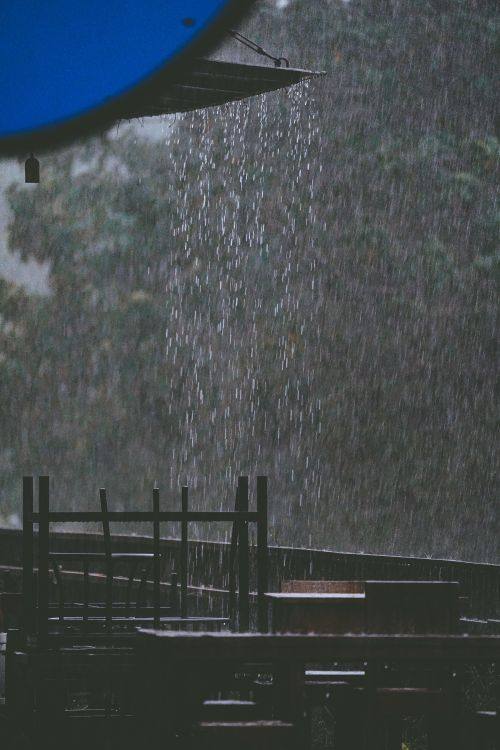
Water dropping from a roof edge onto a sill, drain, metal canopy or balcony can create secondary impacts. Gurgling or intermittent knocks may be drainage rather than glass vibration.
Map the water path during safe daylight inspection. Correcting discharge height, loose outlets or impact surfaces may be more effective than changing the window.
7. Review room absorption and bed position
Hard floors, bare walls and ceilings extend reverberation after each impact. Curtains, acoustic ceilings, absorptive wall finishes and upholstered furniture can reduce room build-up, although they do not improve the window’s transmission loss.
Move the bed or desk away from the dominant radiating surface as an operational trial. Keep fire safety, cleaning and ventilation clearances intact.
8. Specify and verify a representative mock-up
The FGIA acoustic report distinguishes Sound Transmission Class from Outdoor-Indoor Transmission Class and explains how sound transmission is controlled. Rain impact is a specific source, so an acoustic consultant should define measurements and acceptance criteria relevant to the project.
Build one complete mock-up with final glass, frame, seals, perimeter, ledges and adjacent construction. Verify under a controlled method or representative rain before rolling out the solution across hotel rooms or classrooms.
Rain-noise survey template
- Room and window ID
- Rain time, intensity and wind direction
- First audible surface and sound character
- Glass, frame, sill, ledge and roof details
- Window, curtain and HVAC operating state
- Calibrated measurements when available
- Proposed mock-up and verification result
Frequently Asked Questions
Does thicker glass always reduce rain noise?
Not always. Thickness changes panel vibration, but laminated layers, pane size, support, frame, adjacent metal and perimeter paths also matter. Test or model the complete configured opening against the actual impact source.
Can acoustic film stop rain tapping?
A film may change glass behaviour slightly, but it does not treat loose metal, roof runoff, hollow ledges, frame paths or room reverberation. Do not apply film without checking glass compatibility, warranty, thermal stress and the diagnosed source.
Why is rain louder in one hotel room?
Rooms can differ in pane size, exposure, nearby awnings, roof runoff, frame gaps, interior finishes and bed position. Compare the affected room with a quieter room using the same survey method before specifying replacement.
Conclusion
When rain noise on windows is too loud, locate the impact surface and sound path before changing glass. Map weather, inspect adjacent metal and drainage, review the complete window and room, then verify one mock-up. Review Forge Windows products and send room elevations, glass schedules and rain observations through the contact page.
Sources
- World Health Organization — Guidance on Environmental Noise — accessed 29 August 2026.
- FGIA — Acoustic Performance of Exterior Fenestration — accessed 29 August 2026.
- National Glass Association — GANA Glazing Manual — accessed 29 August 2026.
- World Health Organization — Night Noise Guidelines — accessed 29 August 2026.