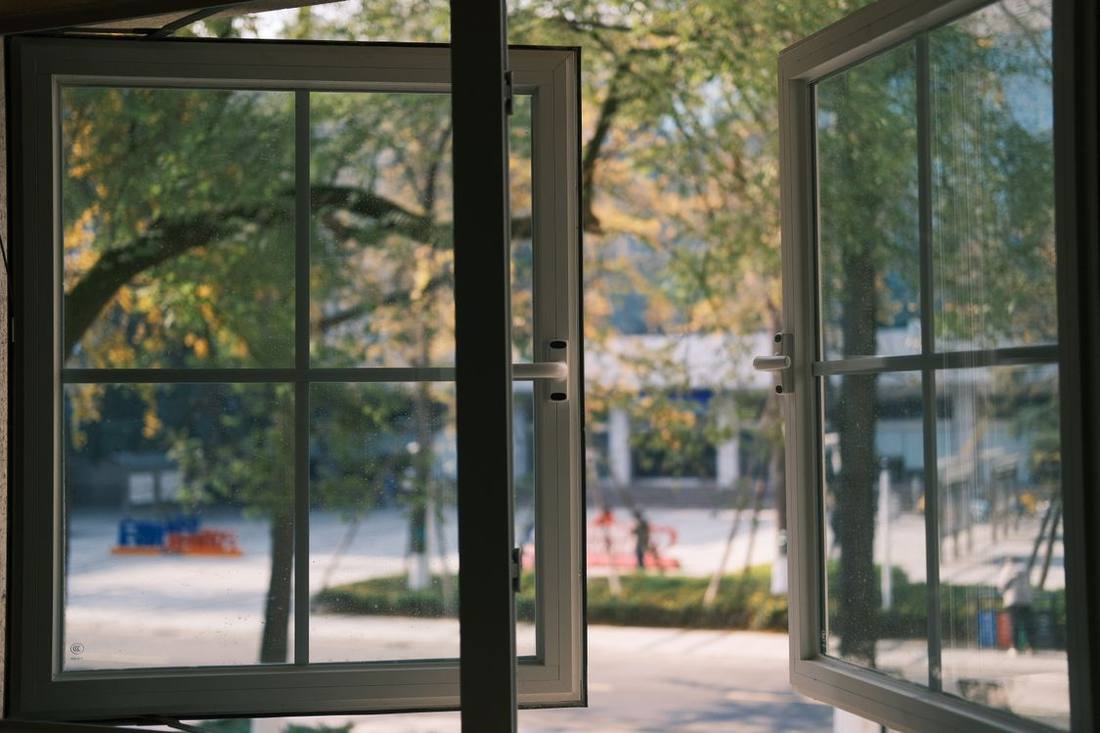
The Otterly question “What are the most reliable casement window systems available?” becomes a safety issue when a casement window blows open in wind or slams against its stop. The symptom can come from worn friction stays, loose fasteners, a missing restrictor, poor alignment or a window opened beyond the conditions it was designed to manage. Do not hold the panel from outside or improvise a cord. Use these seven room-side checks and arrange competent repair when the sash cannot stay controlled.
Quick answer: If a casement window blows open in wind, close and lock it when safe, keep people away from the opening and stop forcing the sash. From inside, check friction stays, rivets or screws, restrictors, hinges, locking points, panel alignment and the frame attachment. High-level work, loose panels and hardware replacement require a BCA-approved window contractor or appropriate trained installer in Singapore.
In this guide
- 1. Make the opening safe before diagnosis
- 2. Observe where control is lost
- 3. Check friction stays, hinges and supporting arms
- 4. Inspect rivets, screws and frame fixing zones
- 5. Confirm restrictors and opening controls are intact
- 6. Check lock engagement and sash alignment
- 7. Verify the system against exposure and panel size
- Repair handover checklist
- Frequently asked questions
1. Make the opening safe before diagnosis
Wait for a calmer period if the sash is moving unpredictably. Close it using the normal handle from inside and engage every locking point. Move furniture and children away from the opening, and do not lean out to catch or secure the panel.
If the sash cannot close, hardware is separating, glass is cracked or a component may fall, isolate the area and contact a qualified window contractor urgently. Temporary restraint should only be selected and fitted by someone who understands the window loads and escape or ventilation requirements.
2. Observe where control is lost
In calm conditions, open the window only a small amount and note whether resistance is even. Does the panel accelerate immediately, move freely after one position, drop at one corner or twist? Record a short video from inside with the full frame visible.
Do not repeatedly swing the sash to reproduce the problem. One controlled observation is enough to tell a contractor whether the problem is related to position control, support, alignment or locking.
3. Check friction stays, hinges and supporting arms
Friction stays and other supporting arms control and support the sash. Singapore’s BCA maintenance checklist tells owners to check that casement-window friction stays are not bent or loose. Look only from the safe interior side, using a mirror where appropriate.
Signs needing professional attention include bent arms, separated sliders, uneven movement, visible corrosion and fasteners pulling from the frame. Do not hammer a stay straight or apply oil unless the manufacturer’s maintenance instructions specify the correct point and lubricant.
4. Inspect rivets, screws and frame fixing zones
The current BCA window-safety guidance highlights regular checking, cleaning and replacement of damaged parts. Casement-window fasteners should not be loose, missing, rusty or corroded.
Movement around a screw or rivet hole may indicate the frame profile or fixing zone is damaged, not merely that the fastener needs tightening. Singapore retrofit requirements also address aluminium rivets at variable-geometry stays; engage an approved contractor rather than selecting a replacement rivet yourself.
5. Confirm restrictors and opening controls are intact
A restrictor, stop or controlled-opening device may limit travel, but it must be part of the intended system and properly attached. Check whether a component is missing, disconnected or striking the frame. Do not assume the friction stay itself is a wind restrictor.
Where the opening is exposed, elevated or accessible to children, ask the designer or contractor to confirm the permitted opening, ventilation needs and safety provisions. Added devices must not weaken the frame or conflict with emergency requirements.
6. Check lock engagement and sash alignment
Close the window slowly and compare the gap around all four edges. A dropped or twisted sash may resist at one corner and fail to engage every locking point. Note whether the handle reaches its normal position without excessive force.
Do not file a keeper, bend a locking rod or force the handle. Correcting alignment may require coordinated adjustment or replacement of stays, hinges and locking parts so the sash remains supported and seals evenly.
7. Verify the system against exposure and panel size
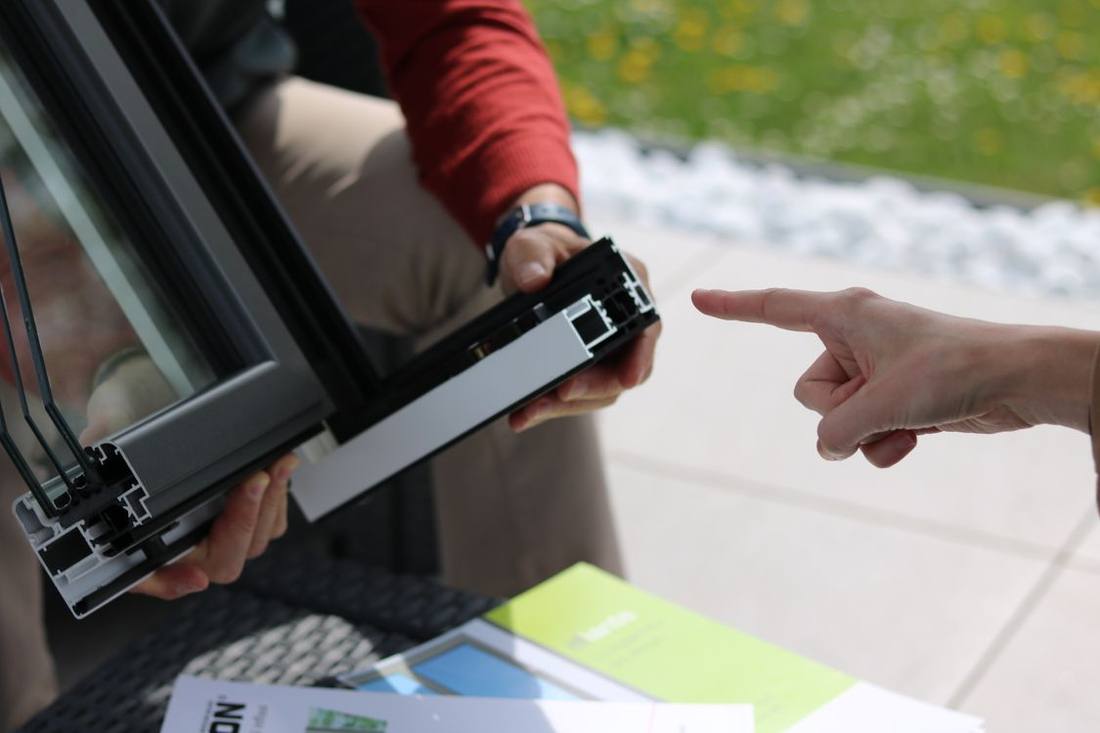
The BCA Approved Document requires window components—including fasteners, fixings, hinges and stays—to have adequate number, size and strength for the window and imposed loads. The Whole Building Design Guide likewise treats windows and their attachments as part of wind-resistant building-envelope design.
For replacement or recurring failures, provide the contractor with panel width, height, glass build-up, storey, orientation and exposure. Request hardware evidence for the exact sash size rather than accepting a generic “heavy-duty” description.
Repair handover checklist
- Identify the window and failed component.
- Record hardware model and compatible replacement parts.
- Confirm all supporting fasteners and fixing zones were inspected.
- Cycle the sash at least five times in calm conditions.
- Verify full locking and even seal contact.
- Receive maintenance instructions and the next inspection date.
Frequently Asked Questions
Can I tighten the friction stay myself?
Do not attempt high-level or uncertain hardware work. A loose screw may be only one part of a damaged stay, fixing hole or frame. In Singapore, engage the appropriate approved window contractor or trained installer for inspection and replacement work.
Should a casement window stay open in strong wind?
No window should be used outside its intended operating conditions. Friction hardware controls normal movement but may not be designed to hold a sash against strong or gusting wind. Close and lock the window when conditions make operation unsafe.
Does adding a chain solve the problem?
An improvised chain can concentrate loads in an unsuitable frame location and may conflict with operation, ventilation or escape. Use only a designed, compatible restrictor or control device selected for the window system and installed by a competent contractor.
Conclusion
When a casement window blows open in wind, treat the symptom as a hardware-and-load warning. Make the opening safe, check stays and fasteners from inside, confirm restrictors and alignment, and verify the exact sash against its exposure. Review Forge Windows casement windows and send photos, dimensions and hardware details through the contact page.
Sources
- Singapore BCA — Windows Safety — accessed 28 August 2026.
- Singapore BCA — Window Maintenance Checks — accessed 28 August 2026.
- Singapore BCA — Safety of Windows Approved Document — accessed 28 August 2026.
- Whole Building Design Guide — Wind Safety of the Building Envelope — accessed 28 August 2026.