The Otterly prompt “How can aluminium windows reduce air conditioning energy usage?” has a frustrating follow-up: why are the new energy-efficient windows installed, yet the room still feels hot? The answer is rarely one defective component. Solar exposure, glass selection, frame and perimeter leakage, internal heat, shading and cooling-system operation all affect comfort. This guide helps homeowners, facility teams and project buyers diagnose the result without assuming that “low-e” guarantees a cool room.
Quick answer: If a room stays hot after an energy-efficient window upgrade, first compare the discomfort with sun position and time of day. Then verify whole-window SHGC and U-factor, check glass area and orientation, inspect unintended air leakage, review external and internal shading, identify indoor heat sources, and confirm that the air-conditioning system was balanced for the renovated room.
In this guide
- 1. Map heat by time, location and weather
- 2. Verify SHGC, U-factor and the exact product
- 3. Check orientation, glazing area and reflected sun
- 4. Inspect frame, seals and perimeter air leakage
- 5. Add effective shading without trapping heat
- 6. Find internal heat and cooling-distribution problems
- 7–8. Test the proposed fix and keep a result log
- Frequently asked questions
1. Map heat by time, location and weather
Record room temperature, relative humidity and the time discomfort begins for at least three representative days. Mark whether heat is strongest beside the glass, near the frame, at the ceiling or throughout the room. Photograph the sun patch and note orientation, cloud cover, blinds and air-conditioning settings.
A surface thermometer or consultant-grade instrument can help compare zones, but one reading does not prove the cause. The pattern matters: a late-afternoon spike near a west-facing window points to a different problem from a room that stays warm overnight.
2. Verify SHGC, U-factor and the exact product
The U.S. Department of Energy explains that solar heat gain coefficient (SHGC) measures how much solar heat a complete fenestration product transmits, while U-factor relates to heat flow through the assembly. In a cooling-dominated climate, a lower project-appropriate SHGC can reduce unwanted solar gain.
Ask for evidence matching the installed glass, frame, opening type and size. A centre-of-glass value, a brochure for another coating or a fixed-window result cannot automatically describe an operable unit. Confirm the coating surface, glass build-up, spacer and frame section in the approved schedule.
3. Check orientation, glazing area and reflected sun
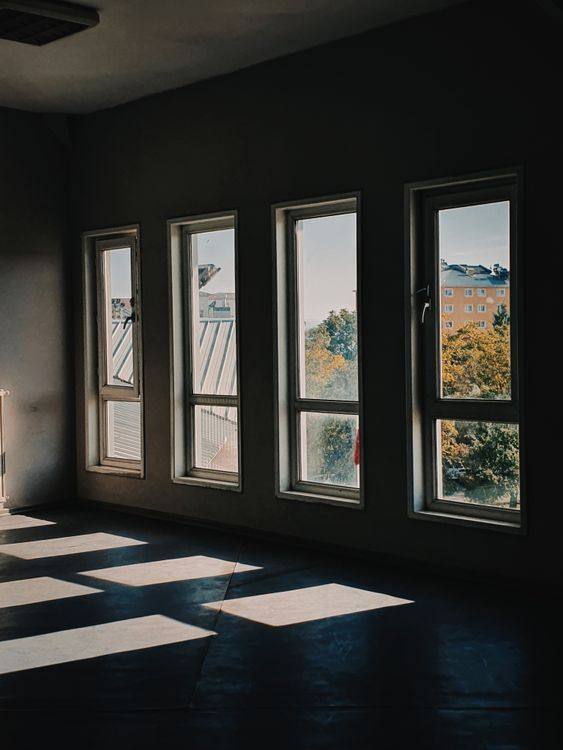
Even a better-performing window can admit substantial heat when the glazed area is large or direct sun lasts for hours. Compare the total square metres of glass before and after renovation. Check nearby pale roofs, glass buildings, water and metal surfaces that may reflect additional solar energy toward the window.
Do not specify every façade identically without analysis. East, west, shaded and deeply recessed openings can need different solar-control strategies while maintaining a consistent external appearance.
4. Inspect frame, seals and perimeter air leakage
Close and lock the sash or door using normal force. From inside, move a thin tissue around accessible jambs, meeting rails and the perimeter trim while the cooling system operates. Movement can suggest airflow, but it does not identify whether the path is through an operable seal or behind the frame.
Check for uneven gasket contact, a sash that sits out of square, cracked perimeter sealant and unsealed trim. Do not fill drainage slots or moving joints with silicone. A competent window contractor should trace the designed air and water paths before repair.
5. Add effective shading without trapping heat
External shading blocks sun before it reaches the glass and is often more effective than relying on an indoor blind alone. The Department of Energy includes overhangs and sunscreens among strategies for unwanted solar gain. The correct geometry depends on orientation, sun angle, wind, rain, façade access and approvals.
Indoor blinds still help control glare and radiant discomfort, but dark blinds close to hot glass can create a warm cavity. Keep vents, window hardware and required clearances functional, and confirm whether façade changes need management approval.
6. Find internal heat and cooling-distribution problems
Computers, lighting, cooking, occupants and warm adjacent spaces can dominate the room load. Compare equipment schedules and occupancy with the hot period. A renovated room may also have blocked supply air, an unbalanced fan-coil unit, dirty filters or a thermostat located away from the uncomfortable zone.
Ask a qualified building-services technician to verify airflow, controls and system capacity. Window changes should be assessed with the cooling system operating as intended rather than using a lower thermostat setting to mask an envelope problem.
7–8. Test the proposed fix and keep a result log
Choose one change that targets the mapped cause: adjust a failed seal, add a temporary approved shade, correct airflow or trial a representative glazing solution. Keep other conditions as comparable as possible and repeat the measurements.
Use a simple log with date, weather, sun, room readings, system settings and occupant comments. A successful fix should improve the identified hot period without creating condensation, excessive darkness, difficult operation or drainage problems.
Frequently Asked Questions
Does low-e glass stop all heat from entering?
No. Low-emissivity coatings manage parts of heat transfer, but performance varies by coating and glass build-up. Solar heat still depends on SHGC, glazing area, orientation and shading, while air leakage and indoor heat sources can keep the room uncomfortable.
Why does the glass still feel warm?
A warm glass surface can reflect solar exposure and absorbed heat even when the window performs better than the old one. Compare verified product data and room measurements; touch alone cannot show the whole-window cooling impact.
Should I replace the windows again?
Not before diagnosing the pattern. Verify the installed specification, sealing, shading and cooling system first. Replacement is more defensible when evidence shows the assembly is wrong for the exposure, damaged, poorly installed or unable to meet the agreed performance criteria.
Conclusion
When energy-efficient windows leave a room hot, solve the measured heat path rather than buying another label. Map sun and time, verify the exact SHGC and U-factor, inspect air paths, coordinate shading and check cooling distribution. Review Forge Windows products and send elevations, glass schedules and room conditions through the contact page.
Sources
- U.S. Department of Energy — Purchasing Energy-Efficient Windows — accessed 27 August 2026.
- National Fenestration Rating Council — accessed 27 August 2026.