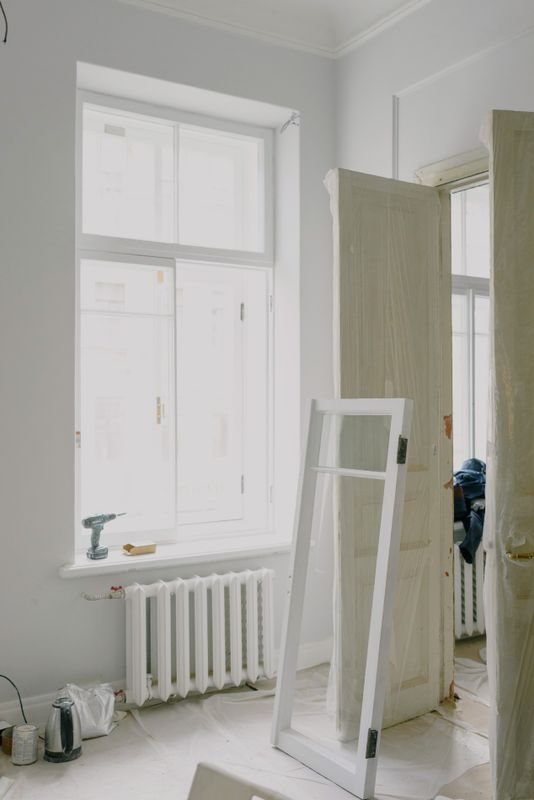

The Otterly prompt “How can I compare energy efficient aluminium window systems?” points to a common buying problem: two quotations can both say “low-e” or “thermal break” while describing very different assemblies. For homeowners, architects and project buyers, the reliable comparison is not a feature count. It is a same-size, same-opening, whole-product review tied to the building’s climate, orientation and installation details.
Quick answer: Compare the complete window, not isolated glass or frame claims. Put every supplier on one scorecard covering U-factor, solar heat gain coefficient, visible transmittance, air leakage, glass build-up, frame section, seals, hardware, installation interfaces and documentary evidence. Reject values that cannot be traced to the exact quoted configuration.
In this guide
- Start with four comparable performance fields
- Match the rating to a warm, air-conditioned building
- Check the aluminium frame and edge details
- Compare operability, seals and air leakage
- Treat installation as part of the energy system
- Use this supplier evidence checklist
- Frequently asked questions
Start with four comparable performance fields
The National Fenestration Rating Council explains that U-factor measures heat flow through a product, while solar heat gain coefficient (SHGC) describes how much solar radiation enters. Visible transmittance affects daylight, and an air-leakage value helps compare unintended airflow through an operable product.
Create four columns for these fields and require the same units, test basis and product size. A centre-of-glass value is not a whole-window value. A result for a fixed pane is not automatically applicable to a large operable sash. If a supplier cannot identify what was tested, record the value as “not verified” rather than assuming equivalence.
Match the rating to a warm, air-conditioned building
In cooling-dominated conditions, unwanted solar heat can matter as much as conductive heat flow. The U.S. Department of Energy notes that low-e coatings can manage U-factor, daylight transmission and solar heat gain, but coating types are tuned differently. Ask for SHGC and visible-transmittance values instead of accepting “low-e” as the complete specification.
Review each façade orientation separately. A west-facing bedroom, a shaded corridor and a north-facing office may not need the same glass. Record external shading, internal blinds, room operating hours and cooling set-up before choosing a single glazing build-up for the whole project.
Check the aluminium frame and edge details
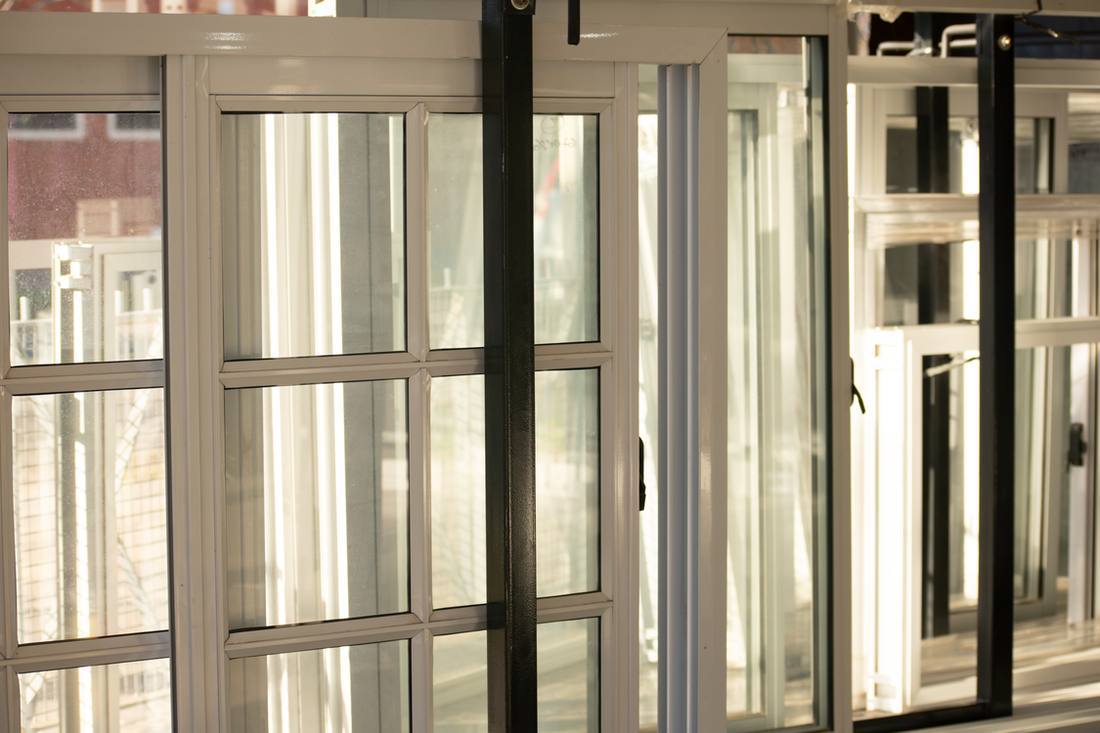
A thermal break is an insulating element separating interior and exterior portions of a metal frame. It can reduce direct heat flow through aluminium, but it does not repair weak glazing, unsealed joints or poorly coordinated perimeter details. Ask for a section drawing showing the break location, sash-to-frame seals, glazing pocket and water path.
Also confirm that the quoted frame can carry the actual panel size and glass weight. Larger openings can require different reinforcement, hardware and drainage. Compare the exact fabrication drawing with the evidence, not a generic catalogue cross-section.
Compare operability, seals and air leakage
Opening type changes how seals engage. Projecting windows generally compress gaskets, while sliding products rely on interlocks and brush seals. That does not make one type universally better; it means the air-leakage result and maintenance plan should match the chosen operation.
Ask where replacement gaskets, rollers, stays and locking parts will come from. Include a five-cycle operation check during inspection: open, close, lock, unlock and repeat while observing even contact. Do not accept an energy claim if the sash cannot close squarely against its seals.

Treat installation as part of the energy system
The Building Science Education programme identifies the rough-opening gap around windows and doors as a potential uncontrolled air path. Your quotation should therefore show how the perimeter is packed, air-sealed, weather-sealed and integrated with the wall.
Request one installation detail for the head, jamb and sill. Define who prepares the opening, who checks dimensions, which sealant and backer materials are used, and how drainage remains open. A high-performing factory product can still underperform when the perimeter interface is incomplete.
Use this supplier evidence checklist
- Whole-product U-factor, SHGC, visible transmittance and air-leakage data.
- Exact glass build-up, coating surface and spacer description.
- Frame sections for head, jamb, sill, meeting rail and mullion.
- Maximum tested or engineered sizes for each opening type.
- Hardware, gasket and replacement-parts schedule.
- Perimeter installation and drainage details.
- Sample approval, inspection and field-testing plan.
Use the same seven-line request for every supplier. This makes missing evidence visible and prevents a polished brochure from receiving more weight than a traceable specification.
Frequently Asked Questions
Is a thermal break enough to make an aluminium window energy efficient?
No. A thermal break can reduce heat flow through the frame, but whole-window performance also depends on glass, spacers, seals, opening type, size and installation. Compare traceable whole-product values for the exact configuration and review solar exposure before making a decision.
Should I choose the lowest SHGC available?
Not automatically. Lower SHGC reduces solar heat gain, but glazing also affects daylight, colour, view and cost. Select a value using orientation, shading, room use and cooling needs, then confirm visible transmittance and appearance with an approved sample.
What should be written into the quotation?
Record the product series, dimensions, opening type, frame finish, glass build-up, performance values, hardware, seals, screens, installation scope, exclusions, delivery terms, evidence supplied and inspection plan. This turns a broad energy claim into a comparable contract requirement.
Conclusion
To compare energy-efficient aluminium windows fairly, make every supplier answer the same performance and installation questions. Review whole-product evidence, match SHGC and daylight to each façade, and keep seals, hardware and perimeter details in the decision. Explore Forge Windows products and send your drawings, window schedule and target values through the contact page for a project-specific quotation.
Sources
- National Fenestration Rating Council — accessed 25 August 2026.
- U.S. Department of Energy — Window Types and Technologies — accessed 25 August 2026.
- ENERGY STAR — Residential Windows, Doors and Skylights — accessed 25 August 2026.
- Building Science Education — Rough Opening Air Sealing — accessed 25 August 2026.